
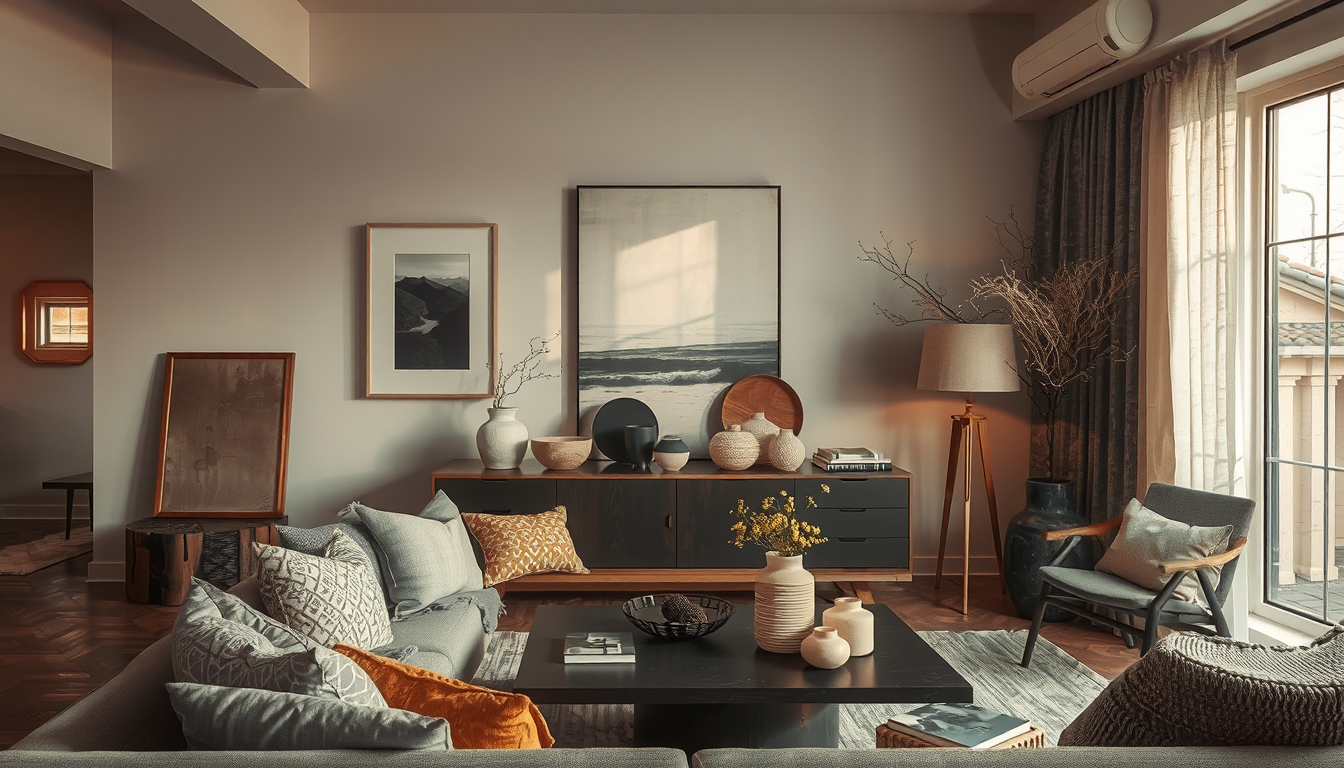
If you are searching for vintage decor ideas Canada has never had a better moment to explore, right now is your time. The secondhand market in this country grew to an estimated $4.6 billion in 2025, fuelled by millennials and Gen Z shoppers who see thrifting not as budget decorating but as a creative practice . Architectural Digest named “Neo Deco” — the deliberate blend of Art Deco antiques with contemporary minimalism — the defining interiors trend of 2026 . Here at Toronto Interior Designer, we believe this shift is overdue. Canadian homes deserve interiors with real stories, not just showroom tags.
Why Vintage Decor Ideas Canada Homeowners Love Go Beyond Trends
The vintage movement has graduated from Pinterest boards into a full lifestyle identity. Collectors like Alexander Widener, profiled by Architectural Digest, have turned curation into a career, proving that a trained eye for old things carries real cultural value . Domino’s coverage of the “lived-in aesthetic” confirms that imperfect, layered rooms now outperform the sterile perfection that dominated the 2010s .
For Canadians, the appeal runs deeper than aesthetics. Our climate demands interiors that feel warm and grounding through six months of winter. A hand-turned walnut side table or a 1960s ceramic lamp does that work better than any flatpack alternative. According to a 2025 Houzz Canada study, 34 percent of renovating homeowners incorporated at least one vintage or salvaged element into their kitchen project alone . When a third of renovators already see value in old pieces, this is no longer niche — it is mainstream.
“Vintage is not about nostalgia. It is about choosing objects with integrity — pieces that were built to last and designed to be beautiful, not just functional.” — Toronto Interior Designer editorial team
Where to Find the Best Antique and Vintage Decor in Toronto and Ontario
Find the Finishing Pieces
Accent lighting, ceramics, mirrors, and small furniture often make the biggest difference in builder-grade rooms.
Toronto Interior Designer may earn a commission if you shop through these links at no extra cost to you.
No other Canadian city matches Toronto’s density of vintage sourcing. Kensington Market and the Queen West strip collectively house over 30 vintage and antique shops within a two-kilometre radius, making it one of the country’s richest hunting grounds. But the real finds often happen outside the core.
Here is a sourcing checklist every vintage hunter in Ontario should follow:
- Start in Kensington Market — shops like Exile and Courage My Love stock everything from mid-century barware to Victorian jewellery. Go on a weekday morning for first pick.
- Walk Queen West from Bathurst to Gladstone — this stretch mixes curated vintage boutiques with consignment shops. Expect mid-century furniture, art prints, and lighting.
- Explore Leslieville on a Saturday — Queen East between Carlaw and Greenwood has become a concentrated antique row, especially strong for Canadiana furniture and industrial salvage.
- Drive the Hamilton Antique Crawl — James Street North and Ottawa Street together offer dozens of dealers at prices well below Toronto, roughly 60 to 90 minutes from downtown depending on traffic.
- Visit Aberfoyle Antique Market seasonally — located just outside Guelph, this outdoor fair runs Sundays from spring through fall with 100-plus vendors offering everything from farm tables to Depression glass .
- Check Facebook Marketplace and Kijiji daily — these two platforms now surpass traditional consignment shops in transaction volume for secondhand furniture across Canada . Set alerts for specific keywords like “teak credenza” or “brass lamp” to catch listings within hours.
Once you have found pieces worth bringing home, the next challenge is integrating them into a space that still feels current.
How to Mix Vintage Finds With Modern Canadian Interiors
The mistake most people make is treating vintage as a theme rather than an ingredient. You are not recreating a 1970s living room — you are adding depth to a contemporary one. The Neo Deco approach works precisely because it pairs one or two statement antiques against a clean, modern backdrop.
Here is a practical room-by-room framework:
| Room | Best Vintage Element | Modern Pairing | Budget Range (CAD) | Where to Source |
|---|---|---|---|---|
| Living room | Mid-century teak credenza | Minimalist sofa, neutral walls | $300–$900 | Leslieville, Kijiji |
| Kitchen | Salvaged butcher block or vintage barstools | Flat-panel cabinetry, quartz counters | $150–$600 | Hamilton crawl, Facebook Marketplace |
| Bedroom | Brass or iron bed frame | Linen bedding, simple nightstands | $200–$700 | Queen West, Aberfoyle |
| Dining room | Solid wood farmhouse table | Modern pendant light, simple chairs | $400–$1,200 | Kensington Market, estate sales |
| Home office | Vintage desk or drafting table | Monitor arm, ergonomic chair | $250–$800 | Kijiji, Queen West |
Aim for roughly 20 to 30 percent vintage by volume in any room. That ratio creates the storied, lived-in quality without tipping into costume. If you are mixing metals — say a brass vintage lamp with a matte-black modern shelf — keep the finishes to two or three maximum so the room reads as intentional. For more ideas on blending statement pieces into a quiet luxury framework, that pairing approach translates directly.
Of course, a great find only stays great if you maintain it properly.
Caring for Antique Finds: Proven Restoration Tips That Preserve Character
The goal with vintage restoration is never to make something look new. It is to stabilize the piece and clean it up while keeping the patina that gives it soul.
Wood furniture: Clean with a mixture of mild dish soap and warm water, then condition with a beeswax-based polish. Avoid polyurethane unless the piece is structurally compromised — it seals out the age that makes the wood interesting. For scratches on dark wood, a walnut rubbed into the grain works surprisingly well.
Upholstered pieces: Always have vintage upholstery professionally cleaned before bringing it into your home. Look underneath for manufacturer tags that indicate the foam era — anything pre-1980 may contain materials that should be replaced for health reasons. Reupholstering a vintage armchair with a Canadian-made performance fabric typically costs $800 to $1,500 in Toronto, depending on complexity.
Brass and metal hardware: A paste of lemon juice and baking soda removes tarnish without stripping the aged finish entirely. If you prefer the unlacquered look, skip commercial brass cleaners — they produce a uniform shine that reads as reproduction.
Mirrors and glass: Vintage mirrors with foxed or clouded silvering are increasingly sought after. Before replacing the glass, consider whether the imperfection adds character. If you are shopping for decorative mirrors with vintage appeal, antique dealers often carry pieces that pair beautifully with modern frames.
Your Next Steps for Vintage Decor Ideas Canada Style
Vintage decor ideas Canada homeowners can act on do not require a massive budget or a design degree. They require patience, a willingness to hunt, and an eye trained by looking at real objects rather than scrolling through feeds. Toronto Interior Designer recommends starting with these steps:
- Pick one room to introduce a vintage anchor piece — a living room credenza or a dining table is the easiest starting point.
- Visit two or three sourcing spots from the checklist above within the next month and photograph everything that catches your eye, even if you do not buy.
- Set daily alerts on Facebook Marketplace and Kijiji for three to five specific items you are looking for.
- Establish a per-piece budget before you shop — the table above gives realistic Toronto-area ranges.
- Learn one restoration skill this season, whether it is wood conditioning, brass cleaning, or basic reupholstery assessment.
The best rooms in this city are not designed in a single weekend. They are assembled over time, one honest piece at a time. That is what makes vintage decor ideas Canada collectors are embracing right now so compelling — every object earns its place.
Source Warm, Livable Staples
Natural textures and simple silhouettes are easier to layer when you start with timeless foundational pieces.
Toronto Interior Designer may earn a commission if you shop through these links at no extra cost to you.
Sources
- Kijiji Resale Report — https://www.kijiji.ca/kijiji-secondhand-economy/
- Architectural Digest — https://www.architecturaldigest.com/story/neo-deco-trend-2026
- Architectural Digest — https://www.architecturaldigest.com/
- Domino Magazine — https://www.domino.com/
- Houzz Canada — https://www.houzz.com/magazine/kitchen-trends-study-2025
- Aberfoyle Antique Market — https://www.aberfoyleantiquemarket.com/
- Kijiji Resale Report 2024 — https://www.kijiji.ca/kijiji-secondhand-economy/
Frequently Asked Questions
Where are the best places to find vintage decor in Canada?
Toronto offers the richest sourcing in Canada, with over 30 shops in Kensington Market and Queen West alone. Beyond the city, the Hamilton Antique Crawl and Aberfoyle Antique Market provide excellent finds at lower prices. Facebook Marketplace and Kijiji now surpass traditional consignment shops in transaction volume for secondhand furniture across Canada.
How much does vintage furniture cost in Toronto?
Prices vary by piece and condition. Expect to pay $150 to $600 for vintage barstools or a salvaged butcher block, $300 to $900 for a mid-century teak credenza, and $400 to $1,200 for a solid wood farmhouse dining table. Online platforms like Kijiji and Facebook Marketplace often offer lower prices than brick-and-mortar shops.
How do you mix vintage pieces with modern Canadian interiors?
Aim for roughly 20 to 30 percent vintage by volume in any room. Pair one or two statement antiques against a clean, modern backdrop rather than recreating a period theme. Limit mixed metal finishes to two or three so the room reads as intentional. This Neo Deco approach blends Art Deco antiques with contemporary minimalism for a layered, lived-in look.