
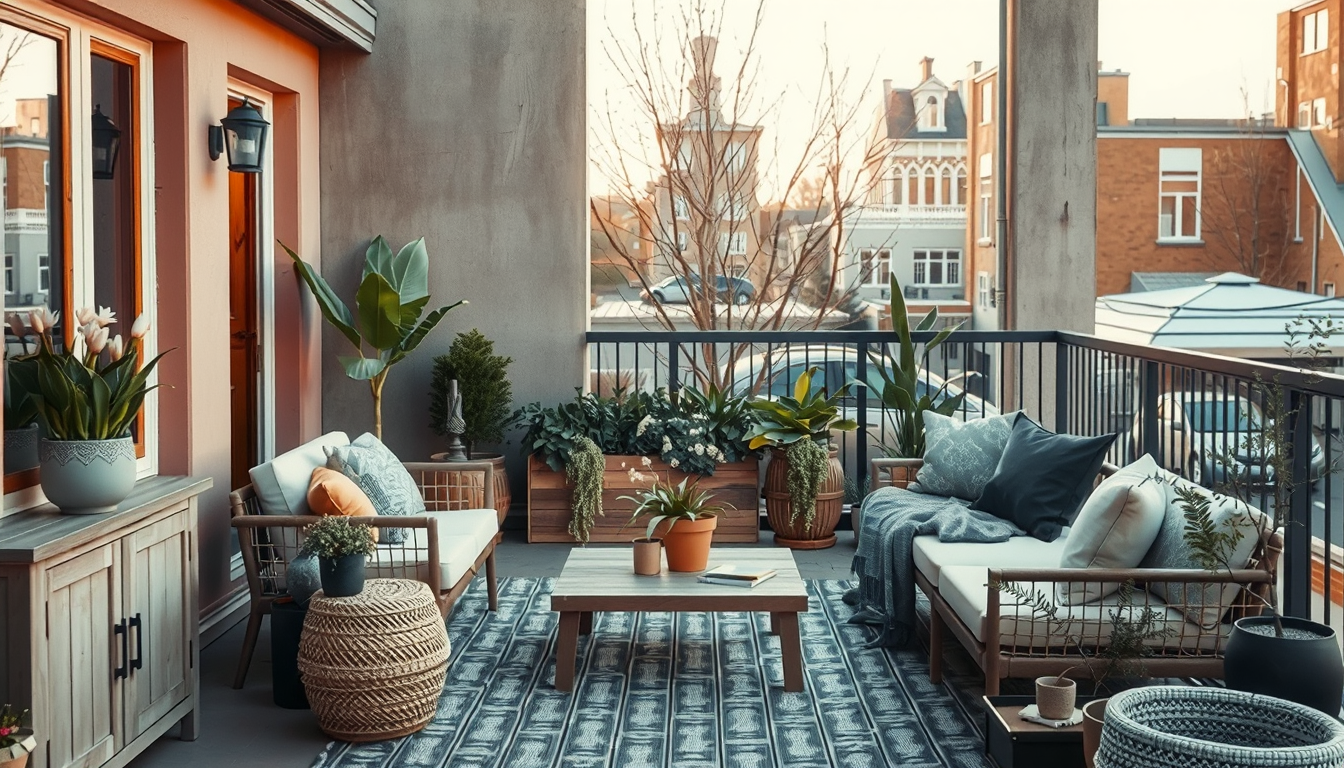
If you are shopping for outdoor planters canada large enough to anchor a front porch or condo terrace, you already know the problem: most of what you find online is designed for climates that never dip below freezing. A gorgeous terracotta pot that looks perfect in a California courtyard will crack by February in Toronto. The right oversized planter does more than hold soil — it frames your entrance, adds architectural weight to a bare balcony, and signals that the outdoor space was designed with the same intention as the rooms inside. This guide covers the materials, sourcing, sizing, and care that actually matter when you are buying large planters for Canadian conditions.
Why Large Outdoor Planters Are the Fastest Curb Appeal Upgrade
Staging research consistently shows that well-styled front entries boost perceived home value by 5–11 percent . That is a meaningful number for a change that costs a fraction of a renovation. A pair of 30-inch planters flanking a front door creates symmetry, height, and seasonal colour without touching a single structural element.
Toronto designers — ourselves included at Toronto Interior Designer — increasingly treat porches, balconies, and rooftop terraces as curated rooms rather than afterthoughts. The same principles that guide a living space layout apply outdoors: proportion, repetition, and intentional negative space. One large planter reads as architecture. A cluster of small pots reads as clutter.
The Canadian outdoor living market reached approximately $3.2 billion in 2025, with container gardening leading growth among homeowners who lack full yards . In a city of condos and narrow lots, planters are not accessories — they are the garden.
Best Materials for Large Outdoor Planters That Survive Canadian Winters
Shop Balcony and Patio Pieces That Fit
Toronto outdoor spaces are often tight, so look for stackable seating, slim tables, and weather-ready textiles first.
Toronto Interior Designer may earn a commission if you shop through these links at no extra cost to you.
Not every material earns a place on a Canadian porch. Here is how the most common options compare when temperatures swing from +35°C in July to -25°C in January.
| Material | Freeze-Thaw Safe | Weight (36″ pot) | Lifespan | Price Range (CAD) | Best For |
|---|---|---|---|---|---|
| Fiberglass | Yes — rated to -40°C | 15–25 lbs empty | 10–15 years | $150–$600 | Condo balconies, rooftops |
| Corten steel | Yes — improves with weathering | 40–70 lbs | 20+ years | $300–$1,200 | Front entries, modern facades |
| High-performance concrete | Yes, if sealed properly | 80–200 lbs | 15+ years | $200–$800 | Ground-level porches, patios |
| GRC (glass-reinforced concrete) | Yes | 30–50 lbs | 10–15 years | $250–$700 | Anywhere weight is a concern |
| Terracotta (unglazed) | No — cracks in frost | 50–90 lbs | 1–3 seasons outdoors | $50–$200 | Indoor use or seasonal only |
| Glazed ceramic | Risky — glaze traps moisture | 60–100 lbs | Variable | $100–$400 | Sheltered spots only |
Fiberglass is the clear winner for condo balconies. It is light enough to stay within load limits, it does not absorb water that expands when frozen, and modern finishes convincingly mimic concrete, stone, and even rusted metal. Corten steel is the prestige choice for ground-level entries — its natural patina deepens every season and requires zero maintenance.
“The biggest mistake we see is homeowners investing in beautiful planters that are not rated for Canadian winters. By March, they have hairline cracks and water stains. Choosing the right material upfront saves you from replacing pots every two years.”
Avoid any planter marketed without a specific freeze-thaw rating. If the listing does not mention winter performance, assume it will not last.
Where to Buy Large Outdoor Planters in Canada
Sourcing locally matters for two reasons: you avoid punishing cross-border shipping costs on heavy items, and you can inspect finish quality in person. The Greater Toronto Area happens to be home to several leading fiberglass manufacturers, giving local buyers a real advantage. Here are the strongest Canadian options we have vetted.
- Pots Planters & More (Vaughan, ON) — Commercial-grade fiberglass in dozens of shapes and colours. They offer a 10-year warranty on most lines and ship across Canada. Their showroom is worth the drive from downtown Toronto.
- Jay Scotts Collection (Concord, ON) — Another GTA-based fiberglass manufacturer with modern silhouettes and custom colour matching. Popular with landscape architects for large-scale projects.
- Tuscan Imports (Toronto locations) — Specializes in glazed and hand-finished planters with a Mediterranean aesthetic. Best for sheltered porches where full freeze exposure is limited.
- Costco Canada and Home Depot Canada (online) — Increasingly stocking fiberglass and GRC options in the 24–36 inch range at entry-level prices. Quality varies, so check the material spec before buying.
- Etsy Canada and local artisans — For one-of-a-kind concrete or hypertufa planters. Look for sellers who specify outdoor-rated, frost-safe construction.
When budgeting, expect to spend $200–$600 per planter for a quality fiberglass piece in the 28–36 inch range. Corten steel commands a premium but lasts decades with zero upkeep. If you are building out a full backyard fire pit seating area, coordinating your planter finish with your seating material creates a cohesive outdoor room.
Sizing and Placement: Style Large Planters Like a Toronto Designer
Once you have chosen a material and supplier, placement becomes the decision that separates a designer result from a random arrangement. The most common approach — and the one we recommend at Toronto Interior Designer — is a grouping of three planters in graduated heights: 30 inches, 24 inches, and 18 inches. This creates visual rhythm without looking staged. Place the tallest closest to the door or wall, and step the others forward and slightly off-centre.
For condo balconies, weight is the critical constraint. Toronto highrise balconies typically support 100 pounds per square foot of live load . A single 36-inch concrete planter filled with wet soil can exceed 200 pounds, which concentrates too much weight on a small footprint. Fiberglass or GRC planters with lightweight potting mix keep you well within safe limits.
Practical sizing rules:
- Match planter height to the space height. A 30-inch planter suits a standard 8-foot entry. A 42-inch planter works beside a double-height front door.
- Diameter should be at least one-third the width of the surface it sits on. A 4-foot-wide porch step calls for planters at least 16 inches across.
- Leave 30 percent of the surface empty. Overcrowding makes a space feel smaller, not lusher.
- Use odd numbers. One or three planters reads as designed. Two reads as symmetrical — fine for flanking a door, but less dynamic in a corner grouping.
- Anchor with evergreens, layer with seasonal colour. A boxwood or dwarf spruce gives year-round structure. Swap annuals in spring and ornamental kale in fall.
This approach echoes the same layered thinking behind wabi-sabi design principles — natural materials, intentional imperfection, and beauty that shifts with the seasons.
Care and Overwintering Tips for Large Outdoor Planters in Canada
Even freeze-rated planters benefit from basic seasonal care. A few minutes of preparation each autumn prevents the cracking, staining, and surface erosion that cut short an otherwise durable pot’s lifespan. Follow this checklist to protect your investment through every Canadian winter:
- Elevate planters on pot feet or risers. This prevents water from pooling underneath and freezing the base to the surface.
- Use a well-draining potting mix, not garden soil. Heavy clay soil holds moisture that expands in frost. A peat-free mix with perlite drains faster.
- Empty saucers before the first hard freeze. Standing water beneath a planter is the top cause of cracking, even in fiberglass.
- Group planters near the building wall for winter. Radiant heat from the structure moderates temperature swings by several degrees.
- Apply a concrete sealer annually on porous materials. GRC and unsealed concrete benefit from a penetrating silicone sealer each October.
- Wrap sensitive glazed or ceramic pots in burlap if you cannot bring them inside. This is a temporary measure, not a long-term solution — consider replacing them with fiberglass.
Toronto Interior Designer recommends budgeting 15 minutes per planter each fall for winterizing. That small effort extends the life of a quality pot from years to decades.
What to Do Next
The search for outdoor planters canada large enough to make a real design statement does not have to be complicated. Start with material, then dial in size and style.
- Measure your space and calculate the maximum weight your surface can support — especially on condo balconies.
- Choose fiberglass or corten steel as your baseline material for worry-free Canadian winters.
- Visit a local showroom like Pots Planters & More or Jay Scotts to see scale and finish in person before ordering.
- Plan a graduated grouping of three pots in descending heights for your front entry or terrace.
- Winterize in October — elevate, drain, and move planters closer to the building wall.
- Browse our outdoor design category for more ideas on turning your balcony, patio, or porch into a true extension of your home.
Layer the Outdoor Room
Lighting, planters, and textiles can stretch a short summer season and make even a small balcony feel intentional.
Toronto Interior Designer may earn a commission if you shop through these links at no extra cost to you.
Sources
- National Association of Realtors Staging Report — https://www.nar.realtor/research-and-statistics/research-reports/profile-of-home-staging
- Landscape Canada Industry Report — https://www.landscapecanada.com
- Ontario Building Code Section 4.1.5 — https://www.ontario.ca/laws/regulation/120332
Frequently Asked Questions
What material is best for large outdoor planters in Canada?
Fiberglass is the top choice for large outdoor planters in Canada. It is rated to -40°C, lightweight enough for condo balconies, and modern finishes mimic concrete or stone. Corten steel is the premium alternative for ground-level entries, lasting 20+ years with zero maintenance.
How much do large outdoor planters cost in Canada?
Expect to spend $200–$600 CAD for a quality fiberglass planter in the 28–36 inch range. Corten steel planters run $300–$1,200 CAD but last decades. Budget options from Costco Canada or Home Depot Canada start lower, though quality varies by material.
Can large planters stay outside during a Canadian winter?
Yes, if you choose freeze-thaw-rated materials like fiberglass, corten steel, or sealed high-performance concrete. Elevate pots on risers, drain saucers before the first hard freeze, and group planters near a building wall for added warmth. Avoid unglazed terracotta outdoors in winter.