
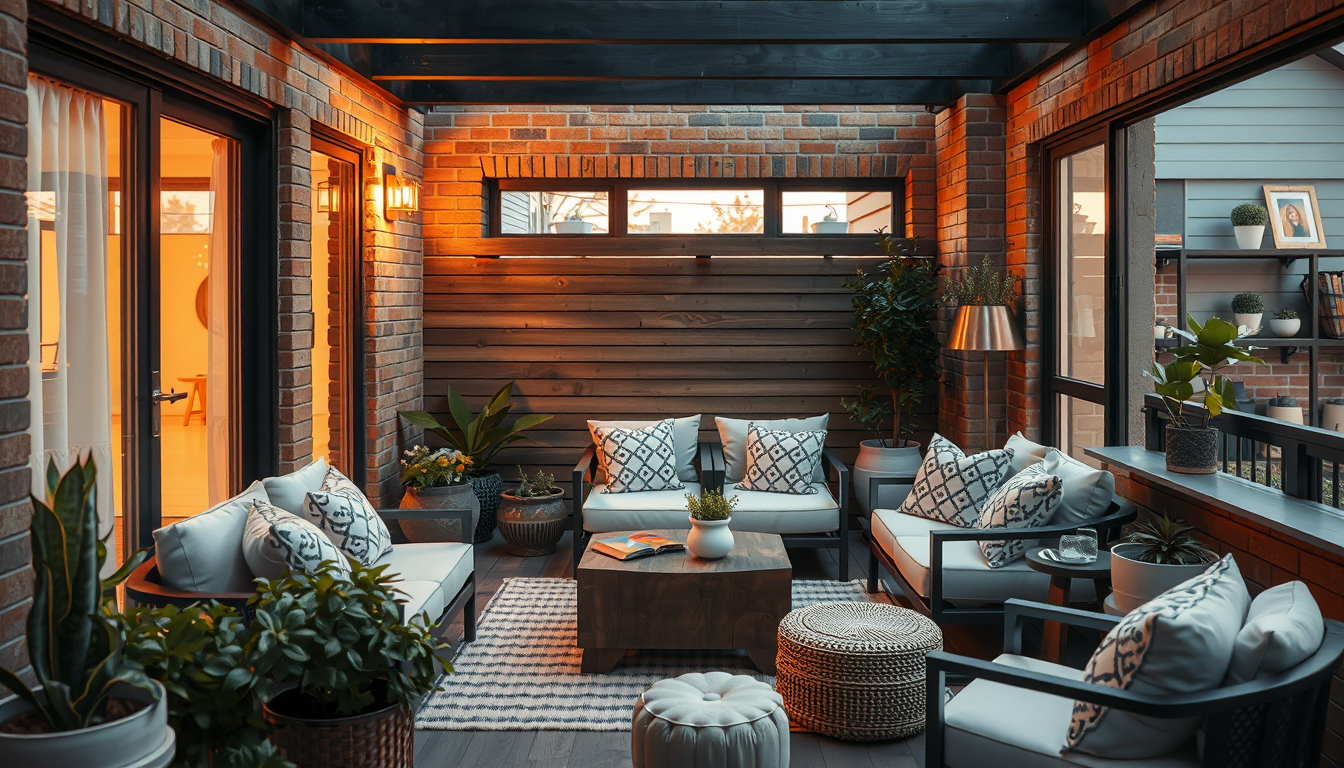
Most balcony decor ideas Canada searches turn up are borrowed from California patios and Mediterranean terraces — gorgeous, but useless when your 45-square-foot concrete slab faces lake-effect wind and January ice. If you live in a Toronto condo, your balcony is likely your only private outdoor space, and it deserves the same design intention you would give any room inside your home. The trick is not copying warm-climate Pinterest boards. It is choosing materials, layouts, and plants that handle freeze-thaw cycles, tower wind tunnels, and a realistic outdoor season that runs from May through October — or longer, if you plan it right.
Over 70 percent of Toronto’s new housing starts are condos and apartments, which means balconies have become the primary outdoor living space for a growing majority of residents . That shift has pushed retailers like Canadian Tire, IKEA Canada, and Wayfair.ca to expand balcony-specific product lines for 2026, but the design advice has not caught up. Here at Toronto Interior Designer, we think it is time for a balcony guide built around Canadian reality — not a fantasy climate.
Why Your Condo Balcony Deserves Interior-Level Design Thinking
The average Toronto high-rise balcony measures roughly 40 to 60 square feet — about the footprint of a walk-in closet. That constraint is actually a design advantage. A small space forces clear priorities: every piece of furniture must earn its place, every square foot must serve a function, and every material choice must pull double duty between aesthetics and weather resistance.
Think of your balcony as a single-purpose room. Are you building a morning coffee station, a container garden, an after-work reading nook, or a two-person dining spot? Pick one primary use and design around it. Trying to do everything in under 50 square feet produces clutter, not comfort.
A balcony designed with the same care as an interior room does not just look better — it adds usable living space to a home where every square foot matters.
For more ideas on making compact spaces work harder, browse our outdoor design archive.
Weather-Proof Materials for Balcony Decor Ideas Canada Homeowners Trust
Shop Balcony and Patio Pieces That Fit
Toronto outdoor spaces are often tight, so look for stackable seating, slim tables, and weather-ready textiles first.
Toronto Interior Designer may earn a commission if you shop through these links at no extra cost to you.
This is where most generic guides fail. A rattan bistro set that looks perfect in a magazine spread will crack and peel after one Toronto winter. You need materials rated for freeze-thaw cycling, UV degradation, and — if you are in a lakefront tower — salt-laced moisture.
Here is what to look for and what to skip:
| Element | Recommended Material | Avoid | Budget Range (CAD) | Best For |
|---|---|---|---|---|
| Seating | Powder-coated aluminum, HDPE wicker | Natural rattan, untreated wood | $150–$500 per chair | All balcony sizes |
| Tables | Teak (marine-grade), aluminum | Glass tops (wind risk), MDF | $120–$400 | Dining or coffee setups |
| Flooring | Interlocking composite deck tiles | Ceramic tile (frost cracking) | $4–$9 per sq ft | Balconies 30+ sq ft |
| Planters | Fibreglass, self-watering resin | Terracotta (frost shatters) | $25–$120 each | Container gardens |
| Textiles | Solution-dyed acrylic (Sunbrella) | Cotton, polyester blends | $30–$80 per cushion | Seasonal use May–Oct |
| Lighting | LED string lights (CSA-rated) | Plug-in lamps, candles | $25–$75 per strand | Ambiance year-round |
If you are adding lighting, our guide to outdoor string lights Canada covers the best CSA-rated picks and installation tips specific to condo balconies.
One tip that saves money long-term: invest in furniture covers rated for Canadian winters (look for 600-denier polyester minimum). A $40 cover can double the life of a $300 chair.
Small Balcony Layouts: 5 Proven Floor Plans Under 50 Square Feet
Layout matters more than furniture selection on a tight balcony. These five arrangements are based on common Toronto condo balcony dimensions:
- The Coffee Corner (35 sq ft): One compact lounge chair angled toward the view, a small C-table that slides over the armrest, and a vertical planter on the back wall. Total footprint: under 12 square feet of furniture.
- The Bistro Dining Setup (40 sq ft): A round 24-inch folding table with two folding chairs against the railing. Wall-mount the table when not in use to reclaim floor space.
- The Container Garden (45 sq ft): Tiered plant shelving along the longest wall, a low storage bench opposite for tools and soil, and one kneeling pad. Function over furniture.
- The Reading Nook (40 sq ft): A zero-gravity recliner (folds flat for storage), a waterproof floor cushion, and a clip-on LED reading light mounted to the railing.
- The Entertainer (55+ sq ft): An L-shaped modular sectional sized for two, a narrow console table along the wall for drinks, and a vertical herb garden as a living privacy screen.
Measure your balcony before you shop. Sketch the footprint on graph paper or use a free app like MagicPlan. Furniture that fits in the showroom does not always fit through a balcony door — check door width clearance before ordering.
Container Gardening on Canadian Balconies: Best Plants for Zone 6a
Toronto sits in USDA Hardiness Zone 6a, but your balcony microclimate can be significantly harsher. Above the 10th floor, wind chill can drop effective temperatures by 10 to 15 degrees Celsius, which means many plants marketed for “balcony gardens” will not survive exposed conditions at height .
These are proven performers for Toronto balconies:
- Herbs: Basil, chives, parsley, and mint thrive in containers from late May through September. Use self-watering pots — wind dries out soil fast on upper floors.
- Leafy Greens: Lettuce, spinach, and kale grow well in window boxes and tolerate partial shade from neighbouring towers.
- Compact Vegetables: Patio tomatoes (Tiny Tim, Tumbling Tom) and bush beans work in 5-gallon containers with full sun exposure.
- Hardy Perennials: Sedum, ornamental grasses, and dwarf conifers in fibreglass planters can overwinter on lower-floor balconies with wind protection.
- Annuals for Colour: Petunias, geraniums, and calibrachoa deliver continuous blooms June through frost and handle wind better than most flowering plants.
Use lightweight potting mix — not garden soil, which compacts and freezes solid — and ensure every container has drainage holes. Group pots together to create a windbreak effect, as plants in clusters retain moisture longer than isolated containers.
Toronto Condo Balcony Rules to Check Before You Decorate
Before you order that propane heater or mount a privacy screen, check the regulations. Toronto’s municipal fire code (Chapter 6) restricts open-flame BBQs and certain heating devices on balconies in buildings over six storeys . Your condo corporation may impose additional rules on:
- Railing attachments: Many buildings prohibit anything hung over or clamped to railings, including planters, flags, and drying racks.
- Floor coverings: Some condos restrict permanent flooring modifications. Interlocking tiles that sit loose are usually permitted; adhesive products may not be.
- Privacy screens: Fabric or bamboo roll-up screens are commonly allowed; permanent structures typically require board approval.
- Weight limits: Older balconies have structural load ratings. If you are filling the space with heavy planters and cast-iron furniture, confirm the weight capacity with your property manager.
We always recommend requesting your condo’s balcony rules in writing before purchasing anything that mounts, fastens, or permanently alters the space.
What to Do Next
Your balcony is a room. Treat it like one. Here is your starting checklist:
- Measure your balcony and sketch the dimensions before browsing any furniture.
- Request your condo’s balcony rules from property management — get them in writing.
- Pick one primary function (dining, lounging, gardening, entertaining) and design around it.
- Choose weather-rated materials from the table above — prioritize powder-coated aluminum, HDPE wicker, and fibreglass planters.
- Start plants indoors in April and move them out after the last frost date (typically mid-May in Toronto).
- Add layered lighting with CSA-rated string lights to extend evening use into the fall shoulder season.
- Invest in quality covers to protect furniture through winter without hauling everything inside.
The best balcony decor ideas Canada homeowners can act on are the ones built for our actual climate — not someone else’s. Start with the materials that last, the layout that fits, and the rules that apply to your building, and you will end up with an outdoor space that works from May right through Thanksgiving weekend.
Layer the Outdoor Room
Lighting, planters, and textiles can stretch a short summer season and make even a small balcony feel intentional.
Toronto Interior Designer may earn a commission if you shop through these links at no extra cost to you.
Sources
- CMHC Housing Supply Report — https://www.cmhc-schl.gc.ca/professionals/housing-markets-data-and-research
- NRC Plant Hardiness Zones — https://planthardiness.gc.ca/
- City of Toronto Fire Code — https://www.toronto.ca/community-people/public-safety/fire-safety/
Frequently Asked Questions
What materials survive Canadian winters on a condo balcony?
Powder-coated aluminum, HDPE wicker, and fibreglass planters handle freeze-thaw cycles best. Avoid natural rattan, terracotta, and untreated wood, which crack or peel after one winter. Invest in 600-denier polyester covers to extend furniture life.
What plants grow well on Toronto balconies?
Toronto sits in USDA Hardiness Zone 6a. Herbs like basil, chives, and mint thrive May through September. Patio tomatoes, leafy greens, and hardy sedums also perform well in containers with lightweight potting mix and proper drainage.
Are BBQs allowed on Toronto condo balconies?
Toronto’s municipal fire code restricts open-flame BBQs on balconies in buildings over six storeys. Electric grills may be permitted, but rules vary by condo corporation. Always request your building’s balcony regulations in writing before purchasing.