
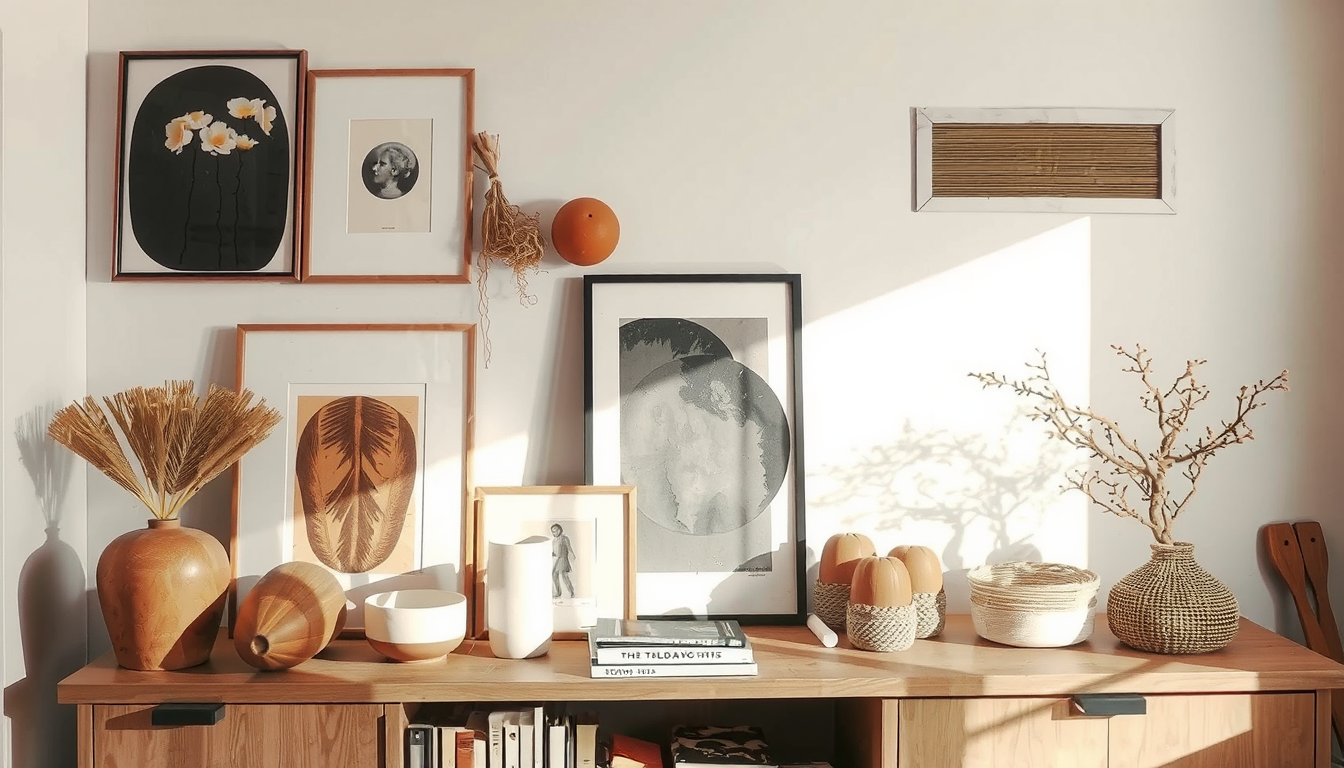
If you have been searching for bookshelf styling ideas canada designers actually use, here is the truth most decor blogs skip: the best-styled shelves tell a story about the person who lives there, not the person who photographed them. In 2026, the “Neo Deco” movement — named by Architectural Digest as one of the year’s defining design directions — favours layered, ornamental displays that mix texture, colour, and personal objects . Pair that with the growing “analog living” shift back to physical books and tactile displays, and your bookshelf becomes the most powerful design surface in your home. Here at Toronto Interior Designer, we think the best part is you can style one in an afternoon — no renovation required.
The Rule of Three: A Proven Bookshelf Styling Formula
Professional stagers use one technique more than any other: the rule of odds. Group objects in threes or fives at varying heights, and your shelf instantly looks intentional rather than cluttered.
Here is how to build a single vignette:
- Anchor piece — one tall item like a hardcover stood upright, a vase, or a framed print leaning against the back wall.
- Mid-height object — a small sculpture, a candle, or a stack of two to three books laid horizontally.
- Low accent — a small bowl, a trailing plant cutting in water, or a decorative object from your travels.
Repeat this grouping across each shelf section, alternating the position of the tall anchor left and right so the eye moves naturally. Leave at least 20–30 percent of the shelf surface empty — negative space is what separates styled from stuffed.
“The biggest mistake I see in Toronto condos is treating a bookshelf like storage. It is a display wall. Edit ruthlessly, then add one thing you love.” — a principle every Toronto Interior Designer project starts with.
5 Bookshelf Styling Ideas Canada Designers Swear By
Find the Finishing Pieces
Accent lighting, ceramics, mirrors, and small furniture often make the biggest difference in builder-grade rooms.
Toronto Interior Designer may earn a commission if you shop through these links at no extra cost to you.
Not every approach works in every home. The table below compares five proven methods so you can match the right direction to your space, budget, and lighting conditions.
| Style Approach | Best For | Key Materials | Budget Range (CAD) |
|---|---|---|---|
| Colour-blocked shelving | Open-concept condos where shelves are visible from multiple rooms | Books sorted by spine colour, solid-tone ceramics | $50–$150 in thrifted books and objects |
| Gallery-lean display | Built-ins with deep shelves (15 cm+) | Framed art, postcards, small prints leaned against the back | $100–$400 depending on frames |
| Botanical layers | North-facing rooms that need warmth and life | Trailing pothos, dried eucalyptus, ceramic planters | $30–$80 per shelf section |
| Analog library | Home offices and reading nooks | Hardcovers, bookends, reading lamp, leather accessories | $75–$250 |
| Collected objects | Any shelf where you want to showcase travel, heritage, or hobbies | Vintage finds, handmade ceramics, personal artifacts | Varies — often free from your own collection |
The “analog library” approach is gaining particular traction in Canada. Retailers like Indigo and Article report strong demand for display shelving and physical books, reflecting a broader cultural pullback from screens . If you already own the books, you are halfway there. For complementary wall decor around your shelving unit, see our guide to wall art ideas that transform any room.
Where to Source Shelf-Worthy Decor in Toronto and Canada
This is where a Canadian approach to bookshelf styling separates itself from the US-centric advice dominating Pinterest. Toronto has an exceptional network of makers, vintage dealers, and independent shops that stock objects worth displaying — and sourcing locally means each piece carries a story you can actually tell.
Toronto sources worth visiting:
- Mud Club Studio (Queen West) — handmade ceramic vessels and planters that add organic texture to any shelf.
- Type Books (Queen West) — curated book selection with beautiful covers that double as decor.
- Smash Salvage (Geary Ave) — vintage brass objects, small sculptures, and one-of-a-kind finds under $50.
- Kensington Market vendors — rotating stock of globally sourced textiles, small carvings, and brass pieces.
- Mjölk (Junction) — Japanese and Scandinavian ceramics and objects for a minimalist shelf approach.
Canada-wide online options include EQ3 (Winnipeg-founded) for clean-lined bookends and display accessories, and Etsy Canada filters that let you search specifically for Canadian-made ceramics and shelf objects — supporting local makers while keeping shipping costs manageable.
Built-In vs. Freestanding Bookshelf Styling for Canadian Homes
Built-in shelving and freestanding bookcases demand different strategies, and Toronto’s housing mix — from Victorian semis with original millwork to glass-tower condos with bare drywall — means you will likely encounter both.
Built-ins benefit from a unified colour story. Paint the interior back panel a contrasting shade — deep forest green, charcoal, or warm terracotta — to create depth and make objects pop. Use a satin or semi-gloss finish so the colour reflects light without competing with the items in front of it. Built-in shelving is also cited by local staging professionals as adding meaningful perceived value when selling a Toronto home, giving you one more reason to style them well.
Freestanding units in condos need to work harder. In Toronto, where over half of new housing is high-rise, vertical shelf styling is a practical necessity . A tall, narrow bookcase styled with intention can anchor a living room wall that otherwise has no architectural detail. Secure tall units to the wall with anti-tip brackets — a safety essential in any home with children or pets. If your shelves sit near your main seating area, browse our living spaces ideas for layout inspiration that ties everything together.
Seasonal Bookshelf Styling: Rotating Displays for Canadian Seasons
One distinctly Canadian habit that no US-based decor blog covers is rotating your shelf display with the seasons. Our climate practically demands it, and the shift keeps your home feeling current without spending a dollar.
Fall and winter rotation (October–March):
- Swap in heavier textures: a chunky knit object, a dark stoneware vase, or a small wooden sculpture.
- Add warm-toned book spines — burgundy, ochre, forest green.
- Incorporate a small candle or two for warmth (battery-operated if placed near books).
- Dried botanicals like preserved eucalyptus or cotton stems hold up through the long heating season.
Spring and summer rotation (April–September):
- Lighten up with white ceramics, clear glass vessels, and fresh greenery.
- Bring in a small framed photo from a recent trip or a seasonal print.
- Add a trailing plant — pothos and string-of-pearls thrive on shelves near windows.
- Remove one or two objects per section to create an airier feel that matches longer daylight hours.
This rotation takes about thirty minutes per season and keeps your space feeling current without buying anything new. It is also a great way to rediscover objects you already own — the core philosophy behind the decor and accents approach we advocate at Toronto Interior Designer.
Your Bookshelf Styling Action Plan
You do not need a full redesign to make your shelves work harder. Start here:
- Edit first. Remove everything from one bookshelf and only put back what you genuinely want to display.
- Apply the rule of three. Build one vignette with a tall, medium, and low object. Repeat across each shelf section.
- Shop local. Visit one Toronto maker or vintage shop this month and find a single object that means something to you.
- Rotate seasonally. Set a calendar reminder to swap a few shelf objects when the clocks change — it takes thirty minutes.
- Leave space. Aim for 20–30 percent empty shelf surface. Breathing room is what makes styling look professional.
The best bookshelf styling ideas canada homeowners can take from designers all come down to the same principle: less stuff, more meaning. Pick up one beautiful object, place it with intention, and let your shelf tell your story.
Source Warm, Livable Staples
Natural textures and simple silhouettes are easier to layer when you start with timeless foundational pieces.
Toronto Interior Designer may earn a commission if you shop through these links at no extra cost to you.
Sources
- Architectural Digest 2026 Trends — https://www.architecturaldigest.com/story/ad-predicts-the-biggest-design-trends-of-2026
- Indigo Annual Report — https://www.chapters.indigo.ca/en-ca/corporate/annual-reports/
- CMHC Housing Supply Report — https://www.cmhc-schl.gc.ca/professionals/housing-markets-data-and-research
Frequently Asked Questions
How do I style a bookshelf without it looking cluttered?
Use the rule of three: group objects in sets of three at varying heights, and leave 20–30 percent of the shelf surface empty. Alternate your tallest piece from left to right across sections so the eye moves naturally. Editing ruthlessly before you start styling is the single most important step.
Where can I find affordable shelf decor in Canada?
Toronto shops like Smash Salvage and Kensington Market vendors offer unique vintage finds under $50. Online, Etsy Canada lets you filter for Canadian-made ceramics and objects, while EQ3 stocks clean-lined bookends and display accessories with reasonable shipping across the country.
How often should I update my bookshelf display?
Canadian designers recommend rotating shelf displays twice a year — heavier textures and warm tones for fall and winter, lighter ceramics and fresh greenery for spring and summer. Each seasonal swap takes roughly thirty minutes and keeps your space feeling current without buying new items.