
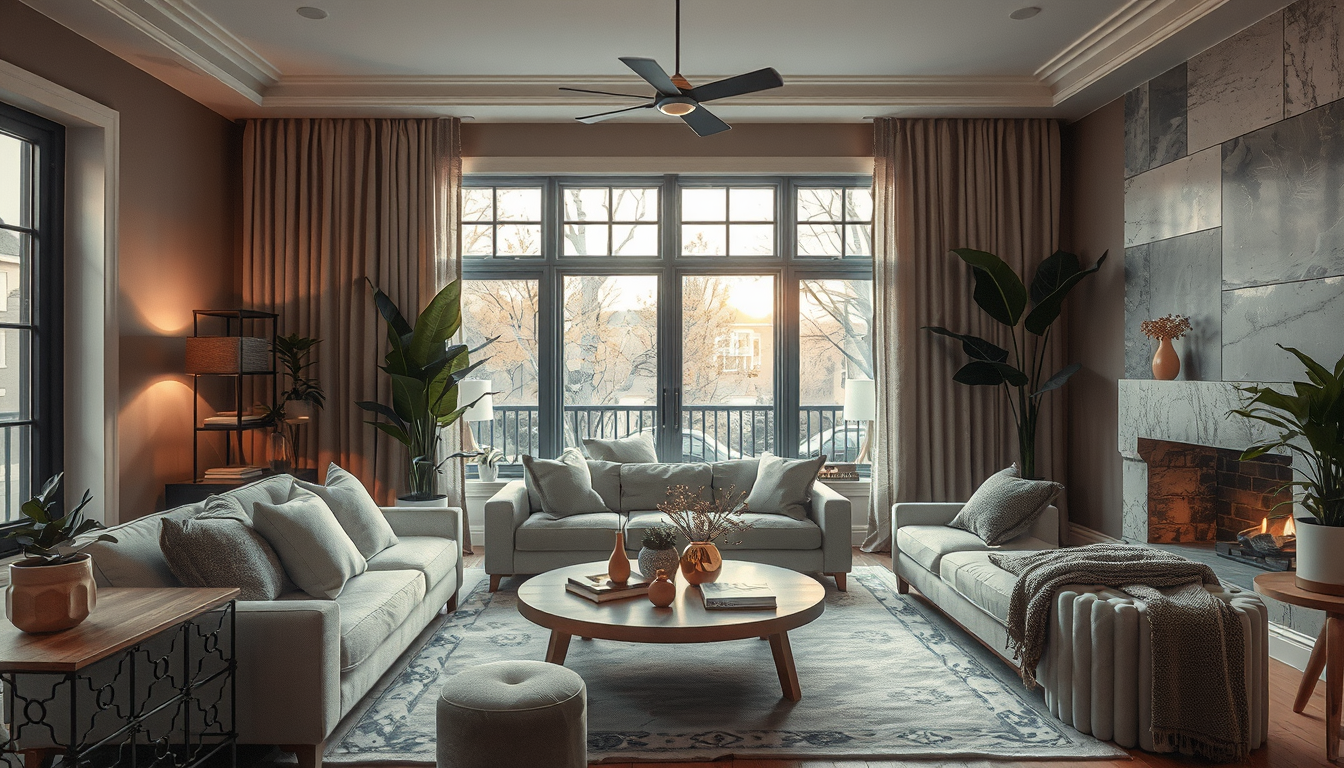
Finding the best indoor plants Canada 2026 has to offer means thinking beyond the generic care tags at your local garden centre. Canadian homes face a unique triple challenge: winters that shrink daylight to barely eight hours, forced-air heating that saps humidity to desert levels, and a housing market increasingly dominated by compact condos. The good news? A handful of resilient species not only survive these conditions — they look genuinely great doing it. This guide from Toronto Interior Designer breaks down the plants that earn their shelf space in a Canadian home, how to style them for small layouts, and where to source them locally.
Why Canadian Homes Need a Unique Indoor Plant Strategy
Most houseplant advice originates in the US Sun Belt or the UK, where winters are milder, daylight is longer, and homes rely less on forced-air furnaces. None of that applies here.
Toronto averages roughly 8.5 hours of daylight in December, and even south-facing condo windows lose intensity when filtered through double- or triple-pane low-E glass . Meanwhile, forced-air heating pushes indoor humidity down to 15–25% through the coldest months — well below the 40–60% range most tropical houseplants prefer . If you have ever watched a calathea crisp up by February, humidity is almost certainly the culprit.
Then there is the space question. Over 55% of new housing starts in the Toronto CMA are multi-unit buildings . Floor-standing fiddle-leaf figs are impractical when your living room doubles as your home office. Vertical shelving, hanging planters, and windowsill groupings are the realistic path to indoor greenery in a 550-square-foot one-bedroom.
The takeaway: buy for your conditions first, your aesthetic second. Every plant below was selected because it handles low light, tolerates dry air, and fits into tight Canadian layouts.
Best Indoor Plants Canada 2026: Top 10 Low-Light Picks Compared
Compare the Retailers Mentioned Here
Use the same shortlist from the article and compare scale, finish options, and delivery fit before you buy.
Toronto Interior Designer may earn a commission if you shop through these links at no extra cost to you.
Here are ten species that consistently perform in Canadian interiors, ranked by light tolerance and maintenance level. The comparison table below covers five widely available options you can find at Canadian retailers right now.
| Plant | Price Range (CAD) | Best For | Design Style |
|---|---|---|---|
| Pothos (Epipremnum aureum) | $12–$25 | Beginners, trailing from shelves | Boho, Scandinavian |
| ZZ Plant (Zamioculcas zamiifolia) | $20–$45 | Neglectful waterers, low light | Modern, minimalist |
| Snake Plant (Dracaena trifasciata) | $15–$40 | Bedrooms, air purification | Mid-century, contemporary |
| Peace Lily (Spathiphyllum) | $18–$35 | Humid bathrooms, flowering accent | Classic, transitional |
| Spider Plant (Chlorophytum comosum) | $10–$20 | Hanging planters, families with pets | Retro, eclectic |
Five more to round out your shortlist:
- Philodendron Brasil ($15–$30) — Variegated trailing vine that holds colour even in north-facing light. Its heart-shaped leaves pair well with woven baskets and mid-century plant stands.
- Cast Iron Plant ($25–$50) — Nearly indestructible; thrives beside radiators where every other species would wilt within a week.
- Chinese Evergreen ($18–$35) — Patterned leaves in silver, pink, and green add visual interest to neutral decor schemes.
- Rubber Plant ($20–$45) — Architectural form suits modern condos; wipe leaves monthly with a damp cloth to maximize light absorption and keep foliage glossy.
- Haworthia ($8–$15) — Compact succulent for bright windowsills; tolerates occasional drought when you are away for a long weekend.
Pothos, ZZ plants, and snake plants consistently rank as the top three beginner-friendly species for low-light Canadian interiors, according to nursery retailers across the country . The Canadian houseplant market grew approximately 20% between 2020 and 2024, largely driven by millennials and remote workers investing in their living spaces .
Who Should Buy These Plants
- First-time plant owners who want low-risk greenery that forgives missed waterings.
- Condo dwellers dealing with north- or east-facing windows and limited floor space.
- Remote workers looking to add life to a home office without adding chores.
- Renters who cannot modify their space but want a meaningful design upgrade.
- Parents and pet owners — spider plants, haworthia, and cast iron plants are non-toxic to cats and dogs (always verify specific cultivars with your veterinarian).
How to Style Indoor Plants in a Small Toronto Condo
Styling plants in a compact layout is less about quantity and more about placement. Here are the principles Toronto Interior Designer stylists rely on when working with real clients in real condos.
Group in odd numbers. Three pots of varying heights on a console table read as intentional design. One lonely pothos on a kitchen counter reads as an afterthought. Vary pot materials — a matte ceramic beside a textured concrete planter creates depth without clutter.
Go vertical. Wall-mounted planters, floating shelf arrangements, and macramé hangers free up counter and floor space. A trailing pothos on a high shelf draws the eye upward and makes eight-foot ceilings feel taller. This approach is especially effective in galley kitchens and narrow hallways.
Match pots to your palette. Matte white or terracotta ceramics suit a minimalist condo. Woven baskets warm up a Scandinavian-leaning space. Skip novelty pots — they date quickly and compete with the plant itself for attention.
Use plants as room dividers. A tall snake plant or rubber plant on a narrow plant stand can visually separate a living area from a dining nook in an open-concept layout. For more ideas on making open layouts work, explore our living spaces guides.
“The best plant styling trick for small spaces is restraint. Three well-placed plants in considered pots will always outperform a dozen random specimens crammed onto a windowsill.” — Toronto Interior Designer editorial team
Beating Dry Air: Winter Plant Care With Forced-Air Heating
Winter humidity is the silent killer of Canadian houseplants. Once the furnace kicks on in late October, your home’s relative humidity can plummet within days. Here is how to fight back without turning your condo into a greenhouse.
Invest in a cool-mist humidifier. Place it near your plant cluster. A small unit ($40–$80 CAD) covering a single room is enough. Bonus: your skin and sinuses will thank you too.
Group plants together. Transpiration creates a shared micro-humidity zone. A cluster of three to five plants on a pebble tray with water raises the immediate humidity by several percentage points — a simple trick that costs nothing.
Avoid radiator-adjacent placement — except for the cast iron plant, which genuinely does not care. Most tropicals suffer when warm, dry air blows directly on their foliage, causing brown leaf edges within weeks.
Mist sparingly. Misting provides about fifteen minutes of humidity boost. It is better than nothing for peace lilies but will not replace a humidifier for fussier species.
Water less often, but more deliberately. Forced-air heat dries the top inch of soil quickly, which tricks people into overwatering. Check soil moisture two inches down before reaching for the watering can. Overwatering kills far more Canadian houseplants than underwatering — root rot sets in silently and is difficult to reverse once established.
Spider plants and peace lilies are NASA-validated air purifiers that also tolerate the 18–21°C thermostat range typical in Canadian homes, making them doubly useful in sealed winter environments .
Where to Buy the Best Indoor Plants in Toronto and Canada
Once you know what to buy, the question becomes where. Here are the retailers our team recommends.
Toronto nurseries worth visiting:
- Sheridan Nurseries — Multiple GTA locations, strong houseplant selection year-round.
- Plant & Curio — Queen West boutique with curated tropical stock and designer pots.
- JOMO Studio — Dundas West; excellent for gifting and beginner bundles.
- Valleyview Gardens — Markham; large greenhouse with competitive pricing on larger specimens.
Online options for the rest of Canada:
- Wild North Flora (ships nationally) — Well-packaged tropicals with winter heat packs to protect against transit cold.
- The Sill (ships to Canada) — Beginner-friendly bundles with matching planters.
- Canadian Tire and Home Depot garden centres — Seasonal but affordable for staples like pothos, spider plants, and snake plants.
When shopping, inspect roots if possible, avoid plants sitting near cold entrance doors in winter, and quarantine new arrivals for two weeks before placing them near your existing collection. This simple step prevents pest transfers that can devastate an entire plant shelf.
What to Do Next
The best indoor plants for Canadian homes are the ones that match your light, humidity, and lifestyle — not the ones trending on social media. Start with these practical steps:
- Audit your light. Stand at each window at noon on a cloudy day. If you can comfortably read a book, you have enough light for every plant on this list.
- Buy a hygrometer ($10–$15 CAD). If your winter humidity drops below 30%, budget for a humidifier before you budget for plants.
- Start with three plants. One pothos, one ZZ, one snake plant. Master those, then expand.
- Choose pots with drainage. No exceptions. Decorative cache pots without holes are fine as covers — just remove the inner nursery pot to water and drain.
- Explore more design ideas in our outdoor planters guide when you are ready to extend your greenery to a balcony or patio.
Canadian homes deserve plant advice built for Canadian conditions. Pick the right species, give them a fighting chance against dry winter air, and you will have greenery that looks good twelve months a year — no green thumb required.
Shop Elevated Alternatives
If you want a step up in materials or silhouette, compare mid-range brands before locking into the first affordable option.
Toronto Interior Designer may earn a commission if you shop through these links at no extra cost to you.
Sources
- Environment Canada — https://climate.weather.gc.ca
- ASHRAE Handbook — https://www.ashrae.org
- CMHC Housing Starts Data — https://www.cmhc-schl.gc.ca
- Flowers Canada Growers — https://www.flowerscanadagrowers.com
- NASA Clean Air Study — https://ntrs.nasa.gov
Frequently Asked Questions
What are the best indoor plants for low light in Canada?
Pothos, ZZ plants, and snake plants are the top three beginner-friendly species for low-light Canadian homes. They tolerate short winter daylight, forced-air heating, and infrequent watering, making them ideal for condos with north- or east-facing windows.
How do I keep houseplants alive in dry Canadian winters?
Use a cool-mist humidifier near your plant cluster, group plants together on pebble trays to create a shared humidity zone, and check soil moisture two inches deep before watering. Avoid placing most tropicals directly beside radiators or heating vents.
Where can I buy indoor plants in Toronto?
Top Toronto nurseries include Sheridan Nurseries, Plant & Curio on Queen West, JOMO Studio in Dundas West, and Valleyview Gardens in Markham. For the rest of Canada, Wild North Flora and The Sill ship nationally with winter heat packs.