
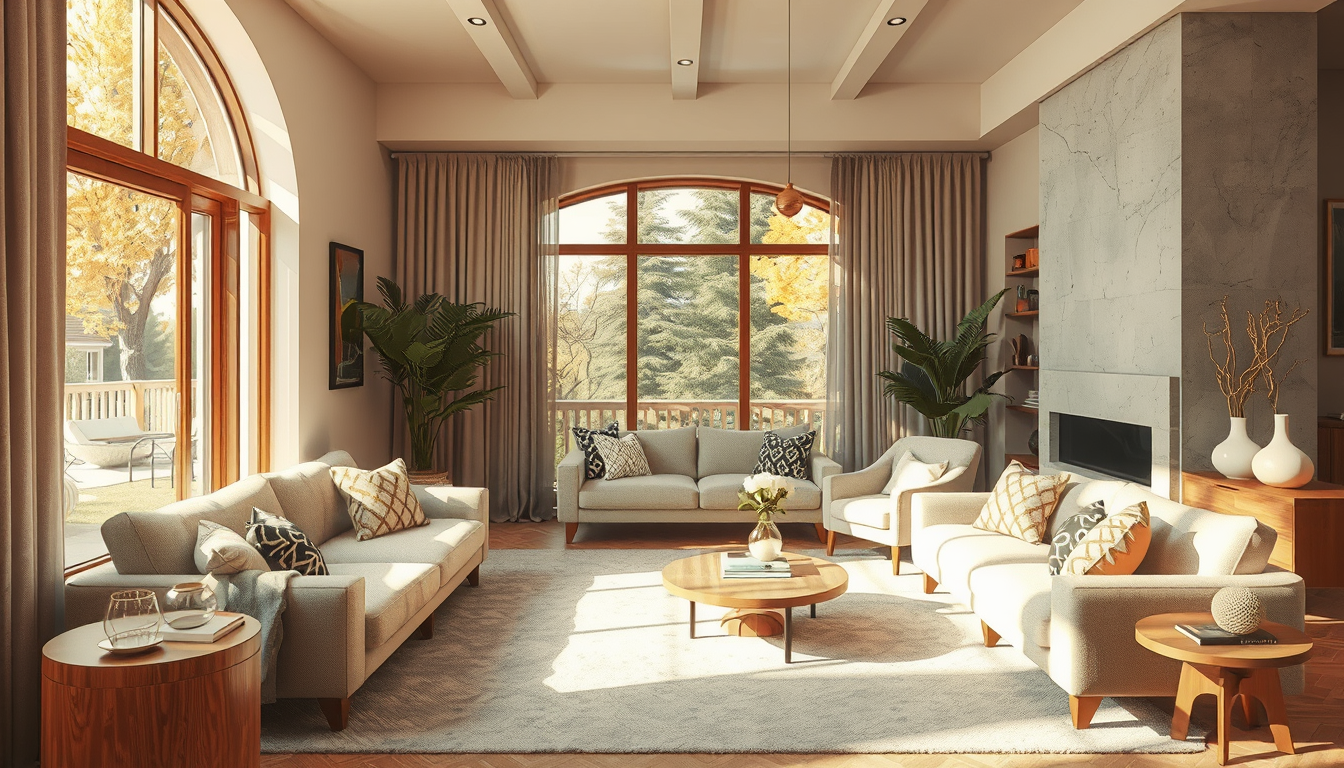
When weighing cb2 canada vs west elm canada, you’re facing one of the most common dilemmas Toronto designers hear from condo owners furnishing their first (or fifth) place. Both brands sit in that appealing mid-range modern sweet spot: clean lines, on-trend finishes, and prices that feel justifiable without a trust fund. But the Canadian shopping experience for each is wildly different from what American review sites describe. Between currency markups, delivery logistics to the GTA, and the reality of fitting furniture into a 660-square-foot condo, this is a decision that deserves local context — not a recycled US listicle.
CB2 Canada vs West Elm Canada: Brand DNA and Design Philosophy
CB2, the younger sibling of Crate & Barrel (owned by Euromarket Designs), positions itself as bold and editorial. Its catalogue leans into sculptural silhouettes, moody colour palettes, and collaborations with emerging designers. If you gravitate toward a statement marble coffee table or an arched floor lamp you spotted on Instagram, CB2 probably made it.
West Elm, owned by Williams-Sonoma Inc., takes a warmer, more grounded approach. Mid-century modern is its backbone, but the brand has expanded into organic textures, handcrafted ceramics, and Fair Trade Certified furniture production. West Elm’s ethical positioning resonates with Toronto’s design-conscious buyers who want to know where their sofa was made — and under what conditions.
The practical difference for your Toronto home? CB2 skews cooler and more dramatic; West Elm skews warmer and more livable. Neither is objectively better — it depends on whether your condo’s vibe is a moody Queen West loft or a sun-filled Leslieville two-bedroom. For more direction on building a cohesive palette, check our guide to neutral home decor ideas for Canadian spaces.
Real Canadian Pricing: What Toronto Shoppers Pay After Delivery
See the Pieces Behind the Trend
Translate trend ideas into real products by starting with lighting, occasional furniture, and layered decor.
Toronto Interior Designer may earn a commission if you shop through these links at no extra cost to you.
Here’s where the US-centric reviews fall apart. Canadian prices for both brands typically run 25–35% higher than US sticker prices once you factor in currency conversion, duties, and shipping. A West Elm sofa listed at $1,299 USD often rings in closer to $1,750–$1,800 CAD on the Canadian site — before delivery.
Delivery costs matter enormously for condo buyers dealing with elevator bookings and tight hallways. West Elm offers white-glove delivery across the GTA, typically $149–$249 CAD depending on order size. CB2’s delivery to Toronto addresses runs comparable rates, though scheduling can be less predictable with only one local warehouse servicing orders. Both brands charge restocking fees on returns, so measure twice and order once.
“The sticker price is never the real price in Canada. Budget an extra 30% over the US number you saw on Pinterest, then add delivery — and you’ll stop being surprised at checkout.”
For Toronto Interior Designer clients, we always recommend comparing three to five identical-category items side by side on both Canadian sites before committing. On a recent spot check, CB2’s Gwyneth Boucle Chair (CAD $1,099) sat close to West Elm’s Andes Chair (CAD $1,049) — similar scale, similar quality tier, different aesthetic. The gap is rarely about price; it’s about which design language fits your space.
Best CB2 and West Elm Picks for Small Toronto Condos
The average Toronto condo measures approximately 660 square feet, per Urbanation data — and that number is trending smaller in new builds. Every piece of furniture needs to earn its square footage. Here’s where each brand excels:
| Category | Why It Works in Toronto Homes | Budget Impact | Best Room |
|---|---|---|---|
| CB2’s modular sectionals (Lumin series) | Configurable for narrow layouts; pieces fit through tight condo corridors | $$$ ($2,400–$3,800 CAD) | Living room |
| West Elm’s storage-integrated beds (Mid-Century frame with drawers) | Eliminates need for a separate dresser in sub-100 sq ft bedrooms | $$ ($1,800–$2,500 CAD) | Bedroom |
| CB2’s wall-mount desks and floating shelves | Zero floor footprint; ideal for converting a hallway nook into a workspace | $ ($250–$600 CAD) | Home office |
| West Elm’s expandable dining tables (Lena series) | Seats two daily, expands to six for hosting — critical in open-plan condos | $$ ($1,200–$1,800 CAD) | Kitchen/dining |
| CB2’s nesting side tables | Tuck away when not needed; add surface area for entertaining | $ ($350–$500 CAD) | Living room |
West Elm wins on bedroom and dining furniture with built-in storage solutions. CB2 wins on statement living room pieces and compact office setups. For either brand, always check the listed dimensions against your elevator and doorway clearances — Toronto condo hallways are notoriously unforgiving.
In-Store Shopping: CB2 Queen West vs West Elm Hillcrest Compared
Beyond pricing and product selection, the in-store experience can make or break a furniture decision — and this is where the two brands diverge sharply.
West Elm holds the clear advantage. With locations in Hillcrest Village and Yorkdale Mall (plus additional Canadian stores), West Elm lets you sit on sofas, feel fabrics, and compare finishes before committing to a major purchase. The Hillcrest location is particularly well-curated for condo-scale vignettes that reflect realistic room proportions rather than sprawling showroom fantasies.
CB2 operates just one Canadian standalone store on Queen Street West in Toronto. It’s a beautifully designed space, but the edited floor selection means you’ll likely order most items sight-unseen from the website. If touching before buying matters to you — and it should for upholstery — West Elm has a clear advantage in the GTA.
Both brands offer trade programs for designers: West Elm Trade provides a 20% discount, and CB2’s trade program offers comparable savings. At Toronto Interior Designer, we use both programs regularly when specifying for client projects, and the West Elm trade team has been consistently more responsive for Canadian orders.
Making These Picks Feel Timeless, Not Trend-of-the-Month
Mid-range modern furniture is an investment — you want pieces that still look intentional in five years, not dated. The trick is treating trend-forward items as accents and anchoring your room with quieter staples.
Buy your sofa, bed frame, and dining table in classic silhouettes and neutral upholstery from either brand. Then layer in CB2’s bolder sculptural accessories or West Elm’s artisan ceramics as the pieces you rotate over time. A $3,000 sofa should age well; a $200 accent pillow can chase trends freely.
Also consider how Canadian light affects your choices. Toronto’s low winter sun makes warm-toned woods (West Elm’s acorn and walnut finishes) feel more inviting than CB2’s cooler concrete and blackened steel during November through March. Plan your big purchases around how your condo actually feels in January, not in the optimistic light of a July showing.
The Verdict: CB2 Canada vs West Elm Canada for Your Toronto Home
The CB2 Canada vs West Elm Canada debate comes down to your design identity and your shopping patience. Choose CB2 if you want editorial, conversation-starting pieces and don’t mind ordering online with limited local inventory. Choose West Elm if you value in-person shopping, built-in storage solutions, and ethically sourced production — and you want a brand with deeper GTA retail presence.
For most Toronto condo owners furnishing a primary living space, West Elm edges ahead on practicality. For designers and style-forward buyers building a curated living space with statement pieces, CB2 delivers more design punch per dollar.
What to Do Next
- Visit both stores in person before buying any upholstered piece — CB2 on Queen West and West Elm in Hillcrest are 20 minutes apart.
- Compare 3–5 items on both Canadian sites in your target category to understand the real price gap after currency and delivery.
- Measure your elevator, hallways, and doorways before ordering — return shipping on large furniture from either brand runs $100+ in the GTA.
- Check each brand’s trade program if you’re working with a designer — the 20% savings can offset Canadian markup significantly.
- Mix both brands strategically: anchor rooms with West Elm’s warm, functional staples and accent with CB2’s sculptural pieces for a layered look that feels collected, not catalogue.
Keep the Trend Livable
Ground any trend with simple, versatile pieces that still work when the room evolves over the next few years.
Toronto Interior Designer may earn a commission if you shop through these links at no extra cost to you.
Sources
- West Elm sustainability page — https://www.westelm.com/pages/about-west-elm/
- Urbanation condo market report — https://www.urbanation.ca
Frequently Asked Questions
Is CB2 or West Elm cheaper in Canada?
Prices are comparable once you factor in Canadian markups, which run 25–35% above US sticker prices for both brands. The real cost difference comes down to delivery fees and whether you can shop sales strategically on each Canadian site.
Does CB2 have stores in Toronto?
CB2 operates one standalone Canadian store on Queen Street West in Toronto. West Elm has a stronger GTA retail presence with locations in Hillcrest Village and Yorkdale Mall, making it easier to see furniture in person before buying.
Which brand is better for small Toronto condos?
West Elm excels at storage-integrated bedroom and dining furniture ideal for compact layouts, while CB2 offers strong wall-mount desks and modular sectionals that work well in narrow condo living rooms. Many Toronto designers recommend mixing both brands.