
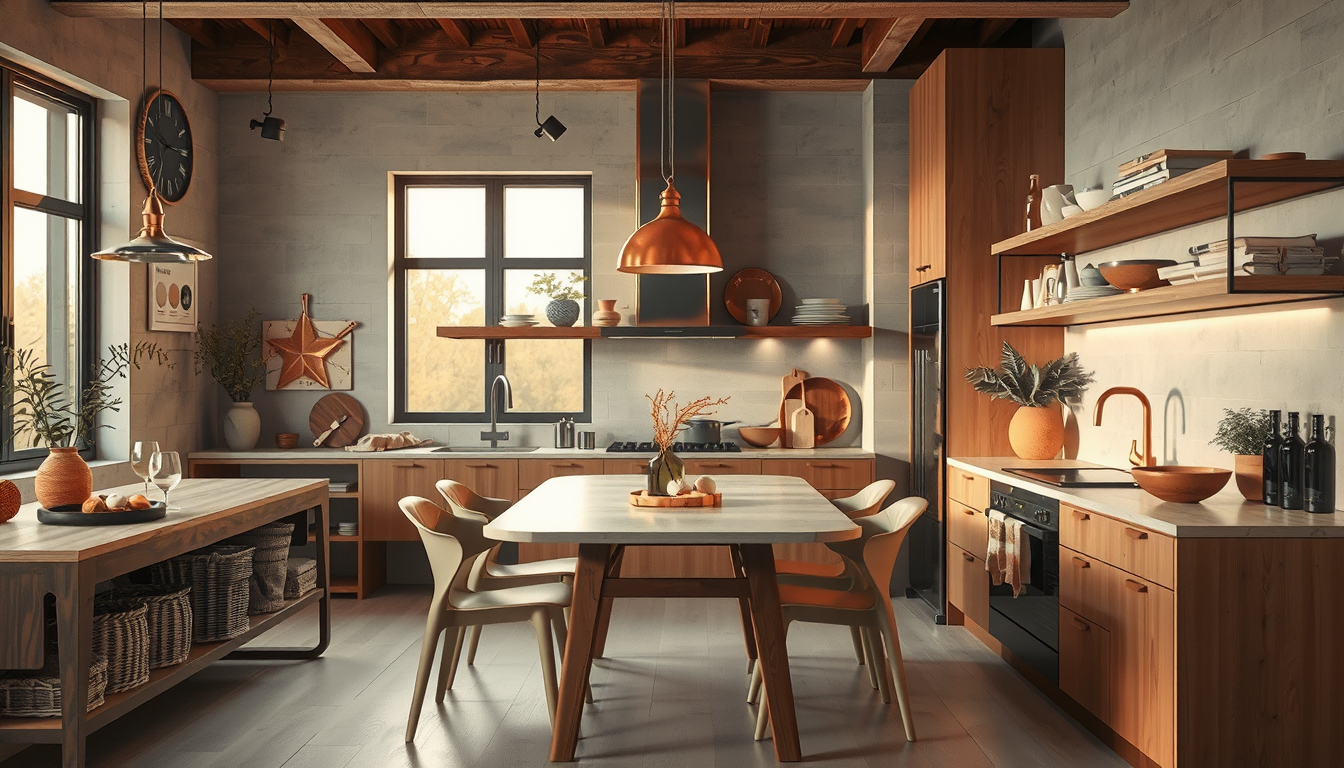
If you’re searching for open shelving kitchen Canada inspiration, you’ve landed on one of 2026’s most practical kitchen trends — and one that makes particular sense north of the border. Canadian kitchens, especially in Toronto condos where the typical galley or L-shaped layout runs just 70–100 square feet, need solutions that reduce visual bulk without sacrificing function. Open shelving delivers exactly that. But the real story isn’t choosing between open shelves and closed cabinets — it’s combining both. The smartest Canadian kitchens right now pair a concealed pantry cabinet for everyday clutter with curated open shelving for the pieces you actually want to see. Here’s how to make it work in your space.
Why Open Shelving Kitchen Canada Trends Are Surging in 2026
The minimalist, all-white kitchen dominated Canadian renovations for a decade. That era is ending. Designers now embrace textured, character-driven kitchens where visible objects tell a story — stacked ceramics, wooden cutting boards, and a few well-placed cookbooks . Open shelving fits naturally into this shift because it invites the kind of curated imperfection that makes a kitchen feel lived-in rather than staged.
Meanwhile, the 2026 Houzz Kitchen Trends Study identified pantry cabinets as the most-wanted built-in feature among renovators . That’s not a contradiction — it confirms the hybrid approach. Homeowners want heavy-duty concealed storage for cereal boxes and small appliances, paired with open display shelving for the items that bring personality to the room.
For Toronto condos specifically, open shelving carries a spatial advantage. Removing even one bank of upper cabinets can make an 8-by-10-foot kitchen feel significantly more open. When you’re working with 600–800 square feet total, that perception of space matters. If you’re planning a broader condo renovation, our guide to small condo kitchen ideas in Toronto covers layout strategies that pair well with open shelving.
Honest Pros and Cons of Open Kitchen Shelving in Canada
Shop Dining Pieces for Narrow Layouts
Extendable tables, slim dining chairs, and compact pendants make a bigger impact than oversized statement pieces.
Toronto Interior Designer may earn a commission if you shop through these links at no extra cost to you.
Before you grab a drill, here’s what experienced Toronto Interior Designer contributors consistently flag as the real trade-offs:
| Factor | Pro | Con |
|---|---|---|
| Visual space | Eliminates upper-cabinet bulk; makes small kitchens feel larger | Requires disciplined editing — clutter is always visible |
| Cost | One of the cheapest kitchen upgrades (starting under $50 CAD) | Quality brackets for heavy items can cost $30–$80+ each |
| Style flexibility | Swap displays seasonally; express personality | Trendy look may not suit every resale buyer |
| Dust and grease | Easy to access and wipe individual items | Toronto’s forced-air heating runs 5+ months/year, accelerating dust buildup; plan to clean shelves every 1–2 weeks |
| Humidity | Good air circulation around items | Canadian winter condensation on exterior walls can affect ceramics and metals near windows |
| Installation | Straightforward in wood-frame houses | Condo steel studs require toggle bolts or specialized anchors rated for 50+ lbs per bracket |
“The formula we keep coming back to is roughly 60% closed cabinetry for the daily grind and 40% open shelving for the things that make a kitchen feel like yours. It’s not all-or-nothing — that’s the mistake most people make.” — Toronto-based kitchen designer consensus, 2026
The takeaway: open shelving works beautifully as an accent, not a wholesale replacement for cabinets. Commit to regular editing and cleaning, and it stays magazine-worthy.
5 Best Open Shelving Styles for Toronto Condos and Canadian Homes
Not all open shelving looks the same. Here are five approaches ranked by how well they suit Canadian homes:
- Floating wood shelves against a tile backsplash. White oak or walnut planks mounted on concealed brackets over subway or zellige tile. This is the most popular style at Toronto Interior Designer and works in both condos and detached homes. Budget: $80–$250 CAD per shelf installed.
- Metal-and-wood industrial brackets. Black iron or brass L-brackets supporting butcher block or reclaimed wood. Fits the mixed-material, warm-industrial kitchens trending in 2026 . Budget: $40–$120 CAD per shelf.
- Built-in niche shelving. Recessed into the wall between studs, these work especially well in Toronto condos where wall depth is limited. No protruding brackets means zero lost floor clearance. Budget: $200–$600 CAD per niche (requires drywall work).
- Plate rack or rail system. A mounted rail with S-hooks for mugs, utensils, and small pots. Ideal for galley kitchens under 80 square feet where even a 10-inch shelf feels bulky. Budget: $30–$90 CAD.
- Glass-front cabinet hybrid. Glass-door uppers deliver the same visual lightness while keeping dust out — a smart concession for anyone who wants the look without the cleaning commitment. Budget: $150–$400 CAD per cabinet door conversion.
For colour and finish pairing, warm neutral tones on surrounding walls make shelf displays pop. Our warm neutral paint colour guide covers the best options available through Canadian retailers.
How to Install Open Kitchen Shelves in Canada: Step-by-Step
Installation is straightforward in most homes, but condo dwellers need to account for steel studs. Here’s the process:
- Locate your studs. Standard Canadian drywall uses 16-inch on-centre stud spacing. Use a stud finder — in condos, confirm whether studs are wood or steel by checking if a magnet sticks.
- Choose the right anchors. Wood studs: use #10 or #12 wood screws (3-inch minimum). Steel studs: use toggle bolts or snap-toggle anchors rated for 50+ lbs per point. Never rely on drywall anchors alone for kitchen shelves holding dishes.
- Mark your shelf height. Standard placement is 18 inches above the countertop for the first shelf, with 12–14 inches between additional shelves. Use a laser level — eyeballing it in a small kitchen makes crooked lines painfully obvious.
- Install brackets or cleats. For floating shelves, mount the concealed cleat first and verify it’s level before sliding the shelf on. For bracket-style shelves, install brackets, then lay the shelf board on top and secure with screws from below.
- Seal and protect. Apply a food-safe polyurethane or hardwax oil to raw wood shelves. Canadian winters bring dry indoor air that can crack unfinished wood, while spring humidity causes swelling. A sealed finish handles both extremes.
- Style in layers. Place tallest items (bottles, vases) at the back, medium pieces (bowls, jars) in the middle, and smallest items (spice containers, small plants) at the front. Leave 20–30% of shelf surface empty — breathing room is what separates styled from cluttered.
Where to Buy Open Shelving in Canada: Retailers and Budget Picks
Canadian retailers cover every price point — no importing required:
| Retailer | Best For | Price Range (CAD) | Notes |
|---|---|---|---|
| IKEA Canada | Budget floating shelves (LACK, BERGSHULT lines) | $8–$45 | Widest selection; brackets sold separately |
| Home Hardware | Brackets, hardware, raw lumber | $5–$60 | Ideal for DIY custom builds |
| Lee Valley | Premium hardware and concealed shelf supports | $15–$80 per bracket | Best-in-class quality for heavy loads |
| Structube | Modern styled shelf units | $50–$200 | Good for open-frame shelf systems |
| EQ3 | Designer-quality floating shelves | $100–$350 | Canadian-designed; solid wood options |
| Local millwork shops | Custom sizes, reclaimed wood | $150–$500+ per shelf | Best for non-standard dimensions |
For more kitchen and dining ideas, browse our kitchen and dining category for the latest Canadian-focused guides.
What to Do Next
Open shelving is a weekend-friendly project — no full renovation required. Here’s your action checklist:
- Audit one wall. Identify a 24–36 inch stretch above your counter that currently holds an upper cabinet or sits blank. That’s your test zone.
- Pick your style. Match your shelf material to existing countertop and cabinet tones — contrast is good, but clashing isn’t.
- Check your wall type. Magnet test for steel studs if you’re in a condo. Buy the right anchors before you start.
- Budget $50–$150 for a single shelf. That covers a quality board, brackets, and hardware from any Canadian retailer listed above.
- Edit before you display. Pull out everything you’d put on the shelf and cut it in half. Then cut it in half again. That’s your starting collection.
- Commit to a 2-week cleaning cycle. Set a phone reminder. If you keep up with it for a month, open shelving will earn its place permanently.
The best Canadian kitchens in 2026 aren’t choosing between open and closed — they’re blending both. Start with one shelf, live with it for a season, and expand from there.
Start With Functional Basics
For budget-friendly kitchen and dining updates, focus on stools, storage, and lighting before decorative extras.
Toronto Interior Designer may earn a commission if you shop through these links at no extra cost to you.
Sources
- Homes & Gardens, “This Kitchen Cabinet Style is Replacing Shaker” — https://www.homesandgardens.com/kitchens/this-kitchen-cabinet-style-is-replacing-shaker
- Domino, “Kitchen Renovators Have Spoken” — https://www.domino.com/content/most-wanted-kitchen-built-in-feature/
- Design Milk, Vipp V2 Kitchen — https://design-milk.com/vipp-v2-kitchen/
Frequently Asked Questions
Is open shelving practical in Canadian kitchens with forced-air heating?
Yes, but plan for extra cleaning. Canadian forced-air heating runs five or more months per year and accelerates dust buildup on exposed shelves. Committing to a one-to-two-week cleaning cycle keeps open shelving looking fresh throughout heating season.
How do you mount open shelves on steel studs in a Toronto condo?
Use toggle bolts or snap-toggle anchors rated for 50-plus pounds per point. Standard drywall anchors are not strong enough for kitchen shelves holding dishes. A magnet test on the wall confirms whether your studs are steel or wood before you buy hardware.
How much does open kitchen shelving cost in Canada?
A single floating shelf runs roughly 50 to 150 CAD including the board, brackets, and hardware from Canadian retailers like IKEA, Home Hardware, or Lee Valley. Custom millwork shelves start around 150 to 500 CAD per shelf depending on material and size.