
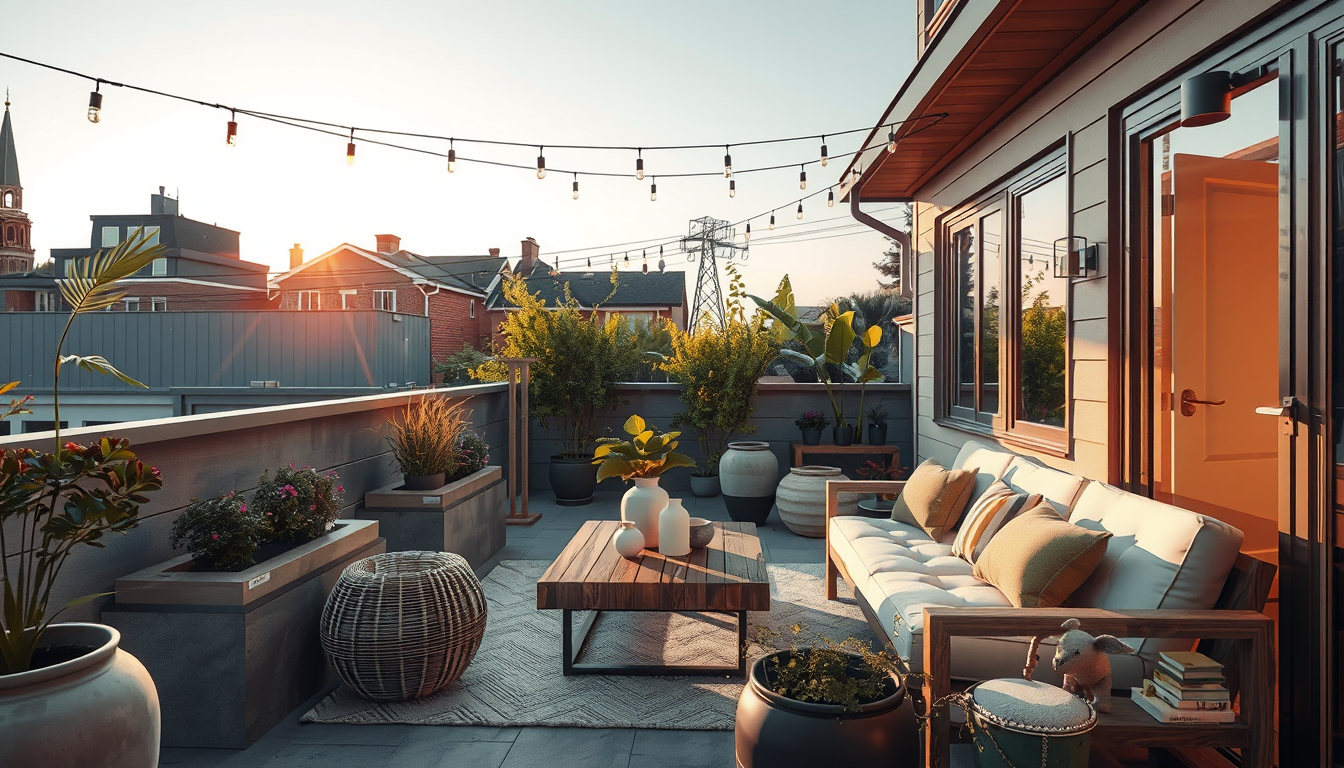
If you’re searching for deck ideas Canada homeowners actually build, start with one fact most design blogs skip: your deck has to survive -30°C winters and 35°C summers — often in the same year. That climate swing changes everything, from the footings beneath the frost line to the finish you stain on top. A beautiful deck that buckles after two freeze-thaw cycles is not a good deck. This guide breaks down the materials that hold up across Canadian seasons, the designs worth investing in, the real costs city by city, and the permit rules you need to know before a single board goes down.
Best Deck Materials for Canadian Winters: Costs and Lifespans Compared
Material choice is the single biggest decision you’ll make, and in Canada it carries more weight than in milder climates. Freeze-thaw cycles, snow load, UV exposure through dry prairie winters, and coastal moisture all stress decking differently.
| Material | Lifespan | Cost per Sq Ft (CAD) | Maintenance | Best For |
|---|---|---|---|---|
| Pressure-treated lumber | 15–20 years | $30–$45 | Stain/seal every 1–2 years | Budget builds, large footprints |
| Western red cedar | 15–25 years | $40–$60 | Annual sealing required | Natural aesthetics, covered decks |
| Composite (Trex, Fiberon) | 25–30+ years | $55–$85 | Occasional wash only | Low-maintenance, high-traffic use |
| PVC decking | 25–30+ years | $60–$90 | Minimal | Full sun, pool surrounds |
Pressure-treated lumber remains the workhorse of Canadian decking, accounting for roughly 60% of residential builds . It handles structural loads well and costs significantly less upfront. The trade-off is ongoing maintenance: without regular staining, it greys, splinters, and can warp through repeated freeze-thaw exposure. For homeowners willing to commit to an annual care routine, it remains the most cost-effective way to cover a large footprint.
Cedar offers warmth and character that many Toronto Interior Designer projects favour for backyard entertaining spaces, but it demands annual sealing in our climate. Skip a year, and moisture penetration accelerates rot — especially on horizontal surfaces where snow sits for weeks at a time.
Composite decking has grown roughly 15% year-over-year in Canadian market share since 2022 . The appeal is clear: most brands carry 25-year fade-and-stain warranties that hold even through harsh weather cycles. The upfront premium pays back in near-zero maintenance and longer usable life. If you’re exploring renovation strategies that add lasting value, composite is where the math lands for most homeowners.
7 Proven Deck Designs for Four-Season Canadian Living
Shop Balcony and Patio Pieces That Fit
Toronto outdoor spaces are often tight, so look for stackable seating, slim tables, and weather-ready textiles first.
Toronto Interior Designer may earn a commission if you shop through these links at no extra cost to you.
Good design in a Canadian context means planning for all twelve months, not just patio season. These seven approaches hold up practically and visually across every weather extreme the country throws at them:
- Multi-level zoning — Split cooking, dining, and lounge areas across two levels to manage snow drainage and define use zones.
- Covered pergola integration — A solid-roof or louvred pergola extends your usable season by weeks on each end and protects furniture from freeze damage.
- Built-in bench storage — Benches with lift-top lids store cushions, covers, and winter gear without cluttering the footprint.
- Windscreen half-walls — Glass or slatted wood panels on the north and west sides block prevailing winter wind while keeping sightlines open.
- Flush-mount lighting — Recessed deck lights in stair treads and railings prevent ice-trip hazards and add ambiance for early-dark fall evenings.
- Ground-level floating decks — No footings required if under 24 inches above grade in most provinces, cutting permit costs and build time significantly.
- Transition thresholds — A heated mat or drainage channel at the door connection prevents meltwater from tracking into your indoor living spaces.
“The best Canadian decks aren’t designed for July — they’re designed for the eight months that aren’t July. When you engineer for winter first, summer takes care of itself.”
At Toronto Interior Designer, we consistently see that clients who invest in weather-forward details — proper slope for drainage, concealed fasteners that won’t pop in frost, and materials rated for extreme temperature swings — enjoy their outdoor spaces years longer than those who chase aesthetics alone.
Deck Cost in Canada: 2026 City-by-City Price Breakdown
National averages only tell part of the story. Deck costs vary significantly by region due to labour rates, material availability, and local code requirements. Here’s what a standard 200-square-foot deck typically costs in 2026:
| City | Pressure-Treated | Composite | Permit Fees |
|---|---|---|---|
| Toronto | $8,000–$12,000 | $14,000–$20,000 | $300–$500 |
| Vancouver | $9,000–$13,000 | $15,000–$22,000 | $200–$400 |
| Calgary | $7,500–$11,000 | $13,000–$18,000 | $150–$350 |
| Ottawa | $7,000–$10,500 | $12,500–$17,500 | $250–$450 |
| Halifax | $6,500–$10,000 | $12,000–$16,500 | $150–$300 |
These ranges reflect materials and labour for a straightforward rectangular build with standard railing. Add 20–30% for multi-level designs, built-in features, or complex shapes. Vancouver’s higher pricing reflects both elevated labour costs and stricter seismic-related structural requirements in parts of the Lower Mainland.
A well-built deck adds an estimated 10–15% return on investment at resale in Canadian urban markets, often outperforming interior renovations on a per-dollar basis . That ROI climbs further when the deck extends genuine living space — think three-season dining setups or work-from-home-adjacent outdoor offices, similar to the home transformation strategies we’ve covered for indoor spaces.
Canadian Deck Permits and Building Code Requirements
Skipping the permit is the most expensive mistake you can make. An unpermitted deck can trigger fines, forced removal, and complications when you sell. Most Canadian municipalities require a building permit for any deck higher than 24 inches (60 cm) above grade or structurally attached to the dwelling . The specifics vary by province, but five requirements are universal:
- Frost line depth for footings: 48 inches in Toronto, 60 inches in Ottawa, 42 inches in Vancouver. Footings that don’t reach below the frost line will heave, cracking your deck’s frame within two to three winters.
- Railing requirements: Any deck surface 24 inches or more above grade must have a 36-inch-minimum guard rail (42 inches in some jurisdictions).
- Ledger board attachment: When fastening to the house, code requires specific lag bolt spacing and flashing to prevent water intrusion — a leading cause of structural rot.
- Joist spacing: Standard 16-inch on-centre spacing applies, but some composite manufacturers require 12-inch spacing for diagonal board patterns. Always check the product spec sheet against your local code.
- Setback rules: Most municipalities enforce property-line setbacks that limit how close your deck can sit to a fence or neighbouring structure. Toronto typically requires a minimum 0.6-metre side-yard setback.
Budget two to four weeks for permit approval in major cities. Submitting a complete drawing set — including site plan, structural details, and material specs — speeds the process considerably.
How to Blend Indoor-Outdoor Living on a Canadian Deck
The strongest deck designs treat the deck as a room, not an afterthought. That means coordinating exterior finishes with interior palettes, running similar flooring tones from the kitchen through sliding doors onto the deck, and specifying outdoor furniture with the same intentionality as a living room layout.
Practically, this indoor-outdoor continuity works best when the deck sits at the same level as the interior floor — eliminating the step down that visually and physically separates the spaces. Wide-format sliding or folding door systems amplify the effect, and when paired with a cohesive paint palette that flows from inside out, the result is a home that feels significantly larger than its footprint.
Heating elements extend the calendar further. Infrared overhead heaters, gas fire tables, and even heated floor mats under outdoor rugs push usable deck season from May–September to April–November in southern Ontario. Combined with windscreen panels and a covered structure, you gain nearly seven months of comfortable outdoor living — a meaningful return in a climate where every extra week outside counts.
What to Do Next
- Measure your space and set a realistic budget using the city-by-city ranges above.
- Choose your material based on your maintenance tolerance, not just upfront cost — composite saves money over ten years in most scenarios.
- Check your local permit requirements before hiring a contractor. Call your municipal building department or check their website for deck-specific guidelines.
- Design for winter first: slope for drainage, specify frost-rated footings, and plan storage for cushions and covers.
- Get three quotes from licensed contractors who can show you completed Canadian deck projects — not just summer portfolio shots.
- Coordinate with your interior design so the deck reads as an extension of your home, not an addition bolted onto it.
The best deck ideas Canada homeowners are building right now share one trait: they treat the outdoors with the same design discipline as any room inside. Start with your climate, build for your budget, and the beauty follows.
Layer the Outdoor Room
Lighting, planters, and textiles can stretch a short summer season and make even a small balcony feel intentional.
Toronto Interior Designer may earn a commission if you shop through these links at no extra cost to you.
Sources
- Canadian Wood Council — https://cwc.ca
- Deck and Railing Association — https://nadra.org
- CMHC Housing Research — https://cmhc-schl.gc.ca
- Ontario Building Code Section 9.8 — https://ontario.ca/page/ontarios-building-code
Frequently Asked Questions
How much does it cost to build a deck in Canada?
A standard 200-square-foot pressure-treated deck costs $6,500–$13,000 depending on your city, while composite decks range from $12,000–$22,000. Add 20–30% for multi-level designs or built-in features.
Do you need a permit to build a deck in Canada?
Most Canadian municipalities require a building permit for any deck higher than 24 inches above grade or structurally attached to your home. Permit fees range from $150–$500, and approval typically takes two to four weeks in major cities.
What is the best decking material for Canadian winters?
Composite decking is the best long-term choice for Canadian winters, offering 25–30+ year lifespans with minimal maintenance. Pressure-treated lumber remains popular for budget builds but requires staining every one to two years to withstand freeze-thaw cycles.