
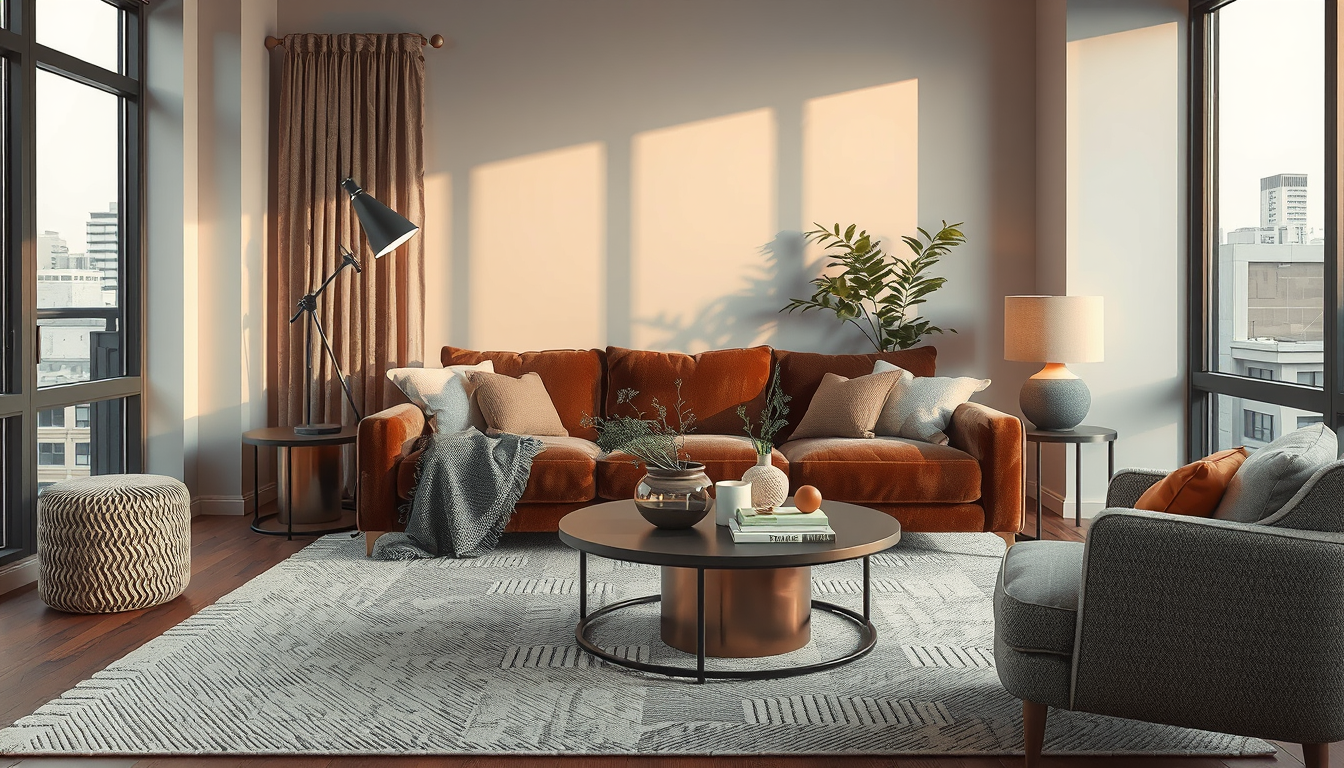
Pet hair proof furniture fabric is best approximated by smooth microfibre or documented performance polyester rated to at least 30,000 Wyzenbeek double rubs or 40,000 Martindale cycles (Association for Contract Textiles 2024). For Toronto homes with shedding pets, prioritize tight weaves, removable washable covers, mottled colours and replaceable cushions.
Last updated: April 1, 2026 Meta description: Choose pet hair proof furniture fabric for Toronto homes using practical tests, Canadian prices and finishes suited to claws, shedding and wet paws.
What Does Pet Hair Proof Furniture Fabric Really Mean?
No upholstery is completely resistant to pet hair, stains, odour and claws. The most practical fabrics have smooth surfaces that release fur, tight constructions that resist snagging and manufacturer-approved cleaning methods (Association for Contract Textiles 2024).
Microfibre, performance polyester, tightly woven canvas and selected finished leathers generally meet more of those requirements than bouclé, chenille or open-weave linen (Association for Contract Textiles 2024; Leather Working Group 2025).
An abrasion rating alone does not guarantee stain release, seam strength, moisture resistance or protection from claw marks (Association for Contract Textiles 2024).
The best pet upholstery is not the fabric with the largest abrasion number. It is the smoothest cleanable surface that fits your room, routine and available storage.
How should abrasion ratings be interpreted?
Wyzenbeek measures back-and-forth double rubs, while Martindale uses a multidirectional rubbing motion. The results come from different procedures and cannot be converted directly (Association for Contract Textiles 2024).
For high-traffic upholstery, the Association for Contract Textiles identifies benchmarks of 30,000 Wyzenbeek double rubs or 40,000 Martindale cycles (Association for Contract Textiles 2024). Results above those thresholds do not predict a proportionate increase in a sofa’s service life, so a six-figure rating is not automatically better for a residential room (Association for Contract Textiles 2024).
Ask the retailer to identify the test method, standard and intended application in writing.
How do Toronto furniture options compare?
These listed Canadian prices were captured in March 2026. Promotions, upholstery grades, taxes and delivery charges can change the final cost (IKEA Canada 2026; EQ3 Canada 2026; CB2 Canada 2026).
| Furniture or service | Pet-hair consideration | Toronto-space consideration | Indicative Canadian price |
|---|---|---|---|
| IKEA KIVIK three-seat sofa | Removable cover sections simplify routine maintenance | Approximately 228 cm wide and 95 cm deep | About $899 (IKEA Canada 2026) |
| EQ3 Cello sofa | Multiple upholstery grades are available; request fibre, cleaning and abrasion specifications | Approximately 231 cm wide in its standard configuration | From about $2,899 (EQ3 Canada 2026) |
| CB2 Lounge sofa | Smooth upholstery options release hair more readily than heavily textured choices | The 93-inch model is approximately 236 cm wide and 104 cm deep | From about $3,299 (CB2 Canada 2026) |
| Professional reupholstery | Allows selection of a tested fabric while retaining a sound frame | Pickup access and service-elevator requirements may affect the quote | Commonly $1,000–$4,000 (HomeStars Canada 2026) |
A deep sofa can restrict circulation in a compact CityPlace condo, while a Junction semi may have more floor area but greater exposure to wet-paw traffic near the entrance. Explore additional layouts in our living-space guides and Rosedale built-in storage guide.
Which Pet Hair Proof Furniture Fabrics Work Best for Shedding Pets?
Source Scaled-Right Living Room Pieces
Start with apartment-scale sofas, nesting tables, and layered lighting that fit Toronto floor plans without overwhelming them.
Toronto Interior Designer may earn a commission if you shop through these links at no extra cost to you.
Microfibre is our preferred value choice because its dense, smooth construction leaves fewer openings in which loose fur can lodge (Association for Contract Textiles 2024). Documented performance polyester is a strong alternative when shedding is accompanied by spills, provided the supplier identifies its finish, cleaning code and abrasion method (Association for Contract Textiles 2024).
Protected or pigmented leather is easy to wipe, although claws, body oils and wear can remain visible on some colours and finishes (Leather Working Group 2025). A cotton-polyester canvas can also work when the weave is tight, the cover is removable and the care label permits washing (Health Canada 2025).
Fibre content alone does not establish cleanability because dyes, backing materials and surface treatments affect the complete upholstery system (Association for Contract Textiles 2024).
Which seven materials deserve a shortlist?
- Microfibre: Choose a smooth version with a documented cleaning code. Its dense surface usually releases dry fur more readily than looped upholstery (Association for Contract Textiles 2024).
- Performance polyester: Confirm whether its stain resistance comes from the fibre, a topical treatment or both, and obtain the approved cleaner before ordering (Association for Contract Textiles 2024).
- Crypton-type performance fabric: Look for documented stain, moisture and cleaning specifications instead of relying on the word “performance” alone (Crypton 2025).
- Solution-dyed acrylic: Manufacturers commonly specify this material for areas exposed to stronger light and moisture, including sunrooms and covered outdoor spaces (Sunbrella 2025).
- Tight cotton-polyester canvas: Select a removable cover and follow its care label because washing requirements vary by complete textile construction (Health Canada 2025).
- Protected or pigmented leather: Its finished surface is generally easier to wipe than absorbent aniline leather, but claws can still leave permanent marks (Leather Working Group 2025).
- Flat-woven wool blend: A dense wool blend can recover from compression and disguise some hair, but its cleaning method must be confirmed with the upholstery supplier (Woolmark 2025).
How can you test upholstery before ordering?
In our editorial checks, we press brushed-out pet hair into light and dark fabric samples 10 times, then remove it using the vacuum attachment or lint tool that would be stored in the client’s home. This reveals more about daily maintenance than a fibre label alone.
Use a sample measuring at least 20 by 20 cm so that you can assess pile direction, colour variation and visible hair coverage. Repeat the test after applying the supplier-approved cleaner, then inspect the dry sample in daylight and evening light.
This hands-on test supplements—not replaces—the manufacturer’s care instructions and warranty.
Which Furniture Fabrics and Design Details Should Pet Owners Avoid?
Bouclé, chenille, tweed, velvet and open-weave linen often require more maintenance because loops, slubs and pile can retain visible fur (Association for Contract Textiles 2024). Looped constructions may also catch an exposed claw, although the risk depends on the specific weave and animal (Association for Contract Textiles 2024).
Avoid fixed upholstery when the manufacturer provides no approved spot-cleaning method. Deep button tufting, open seams and tight cushion gaps create additional collection points, while a low skirt can limit access for some vacuum heads.
Colour matters almost as much as construction. A mid-tone or heathered fabric can visually blend light and dark hair more effectively than solid black or cream, although camouflage does not reduce the need for cleaning.
Which furniture details make maintenance easier?
Prioritize removable cushion covers, zip access, reversible cushions and separately replaceable seat components. These features allow localized cleaning or replacement when one area becomes stained or damaged.
Raised legs can provide vacuum access beneath a sofa, while furniture sitting nearly flush with the floor may create an inaccessible fur trap. Measure the height of your vacuum head before buying.
A washable cover is most useful when the home also has room for a drying rack, replacement cover and handheld vacuum. Our accessible closet layout guide and Rosedale millwork budget guide offer storage-planning ideas.
When is reupholstery worthwhile?
Reupholstery can preserve a sound frame while allowing the owner to select a smoother, documented fabric. Canadian sofa reupholstery commonly costs approximately $1,000–$4,000, depending on size, fabric, labour and required repairs (HomeStars Canada 2026).
Toronto quotes may also vary with parking, pickup access and condominium service-elevator arrangements. Obtain three written estimates that separate fabric, labour, repairs, pickup and delivery.
Before proceeding, compare the complete cost with a replacement sofa offering removable or individually replaceable components.
Which Pet-Friendly Wood, Metal and Painted Finishes Perform Best?
Satin and low-sheen finishes are practical defaults for exposed wood and painted furniture because they show fewer smears than high gloss while remaining easier to wipe than many dead-flat coatings (Benjamin Moore Canada 2025).
Medium-toned oak, ash and walnut-look surfaces visually disguise small scratches better than uniform black lacquer. Brushed and powder-coated metals are generally more forgiving of fingerprints than mirror-polished finishes.
For tables and cabinets, request the coating manufacturer’s cure time and cleaning instructions. Paint can feel dry before reaching its specified hardness, and an unapproved cleaner may damage the finish or affect warranty coverage (Benjamin Moore Canada 2025).
Browse our decor and accent guidance for replaceable protective layers.
How should hard finishes be tested?
Request a take-home sample whenever possible. Apply dry fur, a damp paw print and the supplier-approved cleaner, then inspect the surface after 24 hours in both natural and artificial light.
Ask whether painted casegoods use factory-cured lacquer, powder coating or site-applied paint because each system has different cleaning and repair requirements (Benjamin Moore Canada 2025).
Place washable runners between the entrance and seating during Toronto winters. The City of Toronto uses road salt for winter maintenance, and tracked residue should be removed according to the flooring or furniture manufacturer’s instructions (City of Toronto 2025).
Does Toronto humidity affect clinging hair?
Low indoor humidity can increase static, making lightweight fur cling more noticeably to upholstery. Health Canada recommends maintaining indoor relative humidity between 30% and 50%, while adjusting levels when necessary to prevent condensation and moisture problems (Health Canada 2024).
Use a digital hygrometer to measure the room before assuming the upholstery is solely responsible. In winter, check levels near the sofa as well as beside exterior windows because conditions can vary across a room.
Humidity control will not make a textured fabric hair-proof, but it can make routine removal more manageable.
How Should Toronto Pet Owners Choose Pet Hair Proof Furniture?
Start with the room, delivery route, building rules and cleaning routine—not the fabric label. Measure the furniture footprint, doorway, corridor and elevator before ordering.
Ontario condominium corporations may establish rules governing common-element use, noise, pets, deliveries and renovations, so requirements vary by building (Condominium Authority of Ontario 2025). Confirm elevator reservations, protective padding, delivery hours and applicable fees with property management.
Use painter’s tape to mark the complete width and depth before visiting retailers such as EQ3 on King Street West or CB2 on Queen Street West, and confirm current showroom inventory directly with the retailer (EQ3 Canada 2026; CB2 Canada 2026).
What should you ask the salesperson?
Ask these questions before paying a deposit:
- Is the abrasion result Wyzenbeek or Martindale, and which test standard was used?
- What is the cleaning code, and which products are approved?
- Are the seat and back covers removable?
- Can one damaged cover or cushion be replaced separately?
- Does the warranty exclude pet damage, claw marks or incorrect cleaning?
- What are the packaged dimensions?
- Will delivery require a service elevator or doorway clearance check?
- Is the quote in Canadian dollars and inclusive of fabric upgrades, delivery and tax?
For supporting pieces, compare our budget decor upgrades and broader furniture buyer guides.
What is our final recommendation?
Choose smooth microfibre or documented performance polyester with removable covers for the best balance of hair release, maintenance and price. Select protected leather when wipeability is the priority, or solution-dyed acrylic for sunrooms and indoor-outdoor spaces exposed to stronger light and moisture (Leather Working Group 2025; Sunbrella 2025).
The practical choice is the fabric that passes your own hair-removal test, fits the Toronto floor plan and includes written care instructions. Compare at least three large samples before ordering.
Room refresh checklist
- Measure the room, doorway, elevator and delivery route.
- Tape the sofa’s complete width and depth on the floor.
- Confirm building delivery hours and elevator-booking rules.
- Compare at least three fabric samples in the room’s actual light.
- Verify the Wyzenbeek or Martindale result and test standard.
- Record the cleaning code and approved products.
- Test pet hair on a sample measuring at least 20 by 20 cm.
- Check whether covers and cushions are replaceable.
- Maintain indoor relative humidity between 30% and 50% (Health Canada 2024).
- Obtain a written Canadian-dollar quote that includes tax and delivery.
What Do Toronto Pet Owners Ask About Pet Hair Proof Furniture Fabric?
What sofa fabric is easiest to clean when a dog sheds?
Smooth microfibre is usually the easiest value option because its dense surface gives loose fur fewer places to lodge. Choose upholstery rated to at least 30,000 Wyzenbeek double rubs or 40,000 Martindale cycles, then confirm the manufacturer’s cleaning code (Association for Contract Textiles 2024).
Is leather better than fabric for pet hair?
Yes, protected or pigmented leather is generally easier to wipe than woven upholstery, but claws can leave permanent marks (Leather Working Group 2025). Test a sample for at least 24 hours after applying pet hair and a damp cloth, and use only the manufacturer-approved cleaner.
How many double rubs should a pet-friendly sofa have?
Aim for at least 30,000 Wyzenbeek double rubs for a heavily used household sofa (Association for Contract Textiles 2024). ACT’s high-traffic Martindale benchmark is 40,000 cycles, but Martindale and Wyzenbeek results cannot be converted directly (Association for Contract Textiles 2024).
Does indoor humidity make pet hair stick to furniture?
Yes, dry indoor air can increase static and make lightweight hair cling more noticeably to upholstery. Health Canada recommends indoor relative humidity between 30% and 50%, adjusted when necessary to prevent condensation or moisture problems (Health Canada 2024).
How much does it cost to reupholster a sofa in Toronto?
Budget approximately $1,000–$4,000, with the final price determined by sofa size, repairs, labour, fabric and transportation (HomeStars Canada 2026). Obtain at least 3 written quotes because pickup access, elevator bookings and premium performance fabric can change the total.
Do Toronto condo rules affect furniture delivery?
Yes, condominium corporations can regulate elevator reservations, delivery hours and protection of common areas through their governing documents (Condominium Authority of Ontario 2025). Confirm the rules before ordering a sofa measuring 228 cm or more, particularly when a service elevator must be booked.
Sources
- Association for Contract Textiles. “Abrasion,” “Cleaning Codes” and upholstery performance guidelines, 2024.
- Benjamin Moore Canada. Product technical data sheets and cure-time instructions, 2025.
- CB2 Canada. Canadian furniture product listings and dimensions, 2026.
- City of Toronto. Winter Road Operations and road-salt information, 2025.
- Condominium Authority of Ontario. Condominium rules and governing documents, 2025.
- Crypton. Performance upholstery technical specifications, 2025.
- EQ3 Canada. Canadian sofa listings, dimensions and upholstery options, 2026.
- Health Canada. Moisture and Mould indoor humidity guidance, 2024.
- HomeStars Canada. Furniture repair and reupholstery cost guides, 2026.
- IKEA Canada. KIVIK product pricing, dimensions and care information, 2026.
- Leather Working Group. Leather types and care guidance, 2025.
- Sunbrella. Performance-fabric specifications and care guidance, 2025.
- Woolmark. Wool upholstery and textile-care guidance, 2025.
Toronto Interior Designer Editorial Team | Toronto-focused interior design researchers
The Toronto Interior Designer Editorial Team reviews materials, dimensions and maintenance requirements for GTA houses and condominiums. Its guidance emphasizes practical specifications, Canadian sources and the constraints of Toronto’s compact homes.
(/author/editorial-team/)
Finish the Room With Texture
Layer in rugs, side tables, and decor accents that warm up condo living rooms without adding clutter.
Toronto Interior Designer may earn a commission if you shop through these links at no extra cost to you.
Frequently Asked Questions
What furniture fabric is best for pet hair?
Smooth microfibre or tightly woven performance polyester usually releases pet hair most easily. Look for at least 30,000 Wyzenbeek double rubs or 40,000 Martindale cycles and confirm the cleaning code.
Is leather better than fabric for shedding pets?
Protected or pigmented leather is easy to wipe, but claws may leave permanent scratches. Test a large sample with pet hair and a damp cloth for 24 hours before ordering.
How much does sofa reupholstery cost in Toronto?
Toronto sofa reupholstery commonly costs $1,000–$4,000, depending on size, repairs, labour and fabric. Obtain 3 written quotes that include pickup, delivery and taxes.
Toronto Interior Designer is editorially independent. Our recommendations are based on research and editorial judgment, not brand sponsorships.