
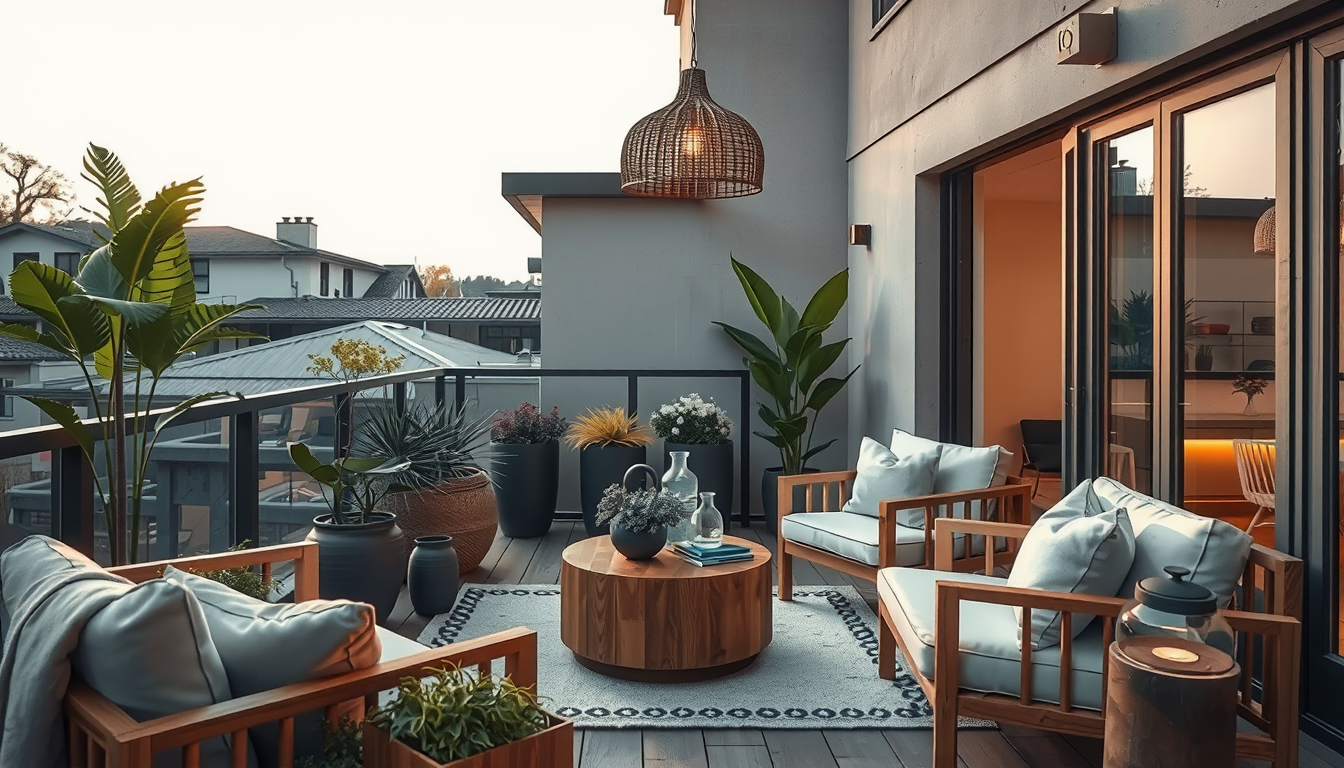
If you’re searching for teak outdoor furniture canada retailers can offer, the sticker shock hits fast — a decent dining set starts around $3,000 CAD and climbs past $12,000. That’s a serious number when your patio season runs roughly five months. But here’s the thesis most buyers miss: teak isn’t an outdoor furniture purchase, it’s a 25-to-50-year infrastructure decision. When you calculate cost per actual use in a Canadian climate, teak often beats the “affordable” alternatives that crack, warp, and hit the curb after three winters. At Toronto Interior Designer, we’ve watched enough clients cycle through cheap patio sets to know the math deserves a closer look.
What Makes Teak Outdoor Furniture Different From Other Woods?
Teak (Tectona grandis) isn’t just another hardwood marketed with a premium label. Its cellular structure contains roughly 8–12% natural oil and rubber content — significantly higher than any other commercially available outdoor wood . That oil does three things no finish or sealant can replicate long-term:
- Repels moisture at the fibre level, preventing the internal swelling that splits lesser woods.
- Resists rot and insect damage without chemical treatment — critical if you’d rather not re-stain furniture every spring.
- Maintains dimensional stability through extreme temperature swings, which matters enormously in Ontario where summer highs top 35°C and winter lows plunge below –20°C.
Compare that to acacia or eucalyptus, the two most common “budget teak” alternatives. Both are attractive woods, but their lower oil content and higher porosity mean they absorb moisture that then freezes, expands, and cracks the grain. In a climate like ours, that’s not a cosmetic problem — it’s a structural countdown.
One cosmetic note worth addressing upfront: untreated teak weathers to a silver-grey patina within 6–12 months outdoors. This is purely surface-level oxidation, not decay. Yet outdoor furniture retailers report it drives roughly 30% of customer complaints from buyers who expected the honey tone to last forever. If you want that golden colour maintained, you’ll need to apply teak oil once or twice a season — or learn to love the patina, which many designers (ourselves included) actually prefer.
How Teak Survives Canada’s Harsh Freeze-Thaw Cycles
Shop Balcony and Patio Pieces That Fit
Toronto outdoor spaces are often tight, so look for stackable seating, slim tables, and weather-ready textiles first.
Toronto Interior Designer may earn a commission if you shop through these links at no extra cost to you.
Toronto experiences approximately 35–40 freeze-thaw cycles per winter . Each cycle means moisture seeps into wood pores, freezes, expands, thaws, and repeats. It’s the single biggest destroyer of outdoor furniture materials in our region — worse than UV, worse than rain.
This is where teak’s density and oil content earn their premium. Grade-A teak — the only grade worth buying for outdoor use — has a tight, interlocking grain that limits moisture penetration in the first place. The natural oils then act as an internal barrier even when surface moisture is present. Lower-density hardwoods like acacia simply can’t compete: after 2–3 Canadian winters, you’ll typically see checking, splitting along the grain, and joint failure where hardware meets softening wood.
“The best outdoor furniture investment isn’t the piece that looks great on delivery day — it’s the one that still looks great after its tenth Canadian winter.”
If you’re also planning the hardscape around your teak furniture, our guide to patio stones that handle harsh winters covers material selection for the ground beneath your set.
Teak Outdoor Furniture Canada Cost Breakdown: Teak vs. 3 Alternatives
Now that the material science is clear, let’s talk household budgeting. We’ve built a comparison assuming a six-person dining set used in Toronto’s approximately 150 outdoor-use days per year.
| Material | Upfront Cost (CAD) | Realistic Lifespan in Ontario | Replacement Cost Over 25 Years | Cost Per Use (25 Years) |
|---|---|---|---|---|
| Grade-A Teak | $4,000–$10,000 | 25–50 years | $0 (one purchase) | $1.07–$2.67 |
| Acacia | $800–$2,000 | 3–5 years | $4,000–$12,000+ | $1.28–$3.73 |
| Powder-Coated Aluminum | $2,000–$6,000 | 10–15 years | $2,000–$6,000 | $1.07–$3.20 |
| Resin Wicker (PE) | $1,200–$3,500 | 5–8 years | $2,400–$7,000 | $0.96–$2.80 |
A few things jump out. Acacia’s low entry price is deceptive — you’ll likely buy three to six sets in the time one teak set serves you. Aluminum is legitimately competitive on longevity but lacks the warmth and weight many homeowners want. Resin wicker offers the lowest cost-per-use on paper, but quality varies wildly and UV degradation in direct sun can shorten that lifespan considerably.
The real question is whether you’re optimizing for lowest entry cost or lowest lifetime cost. If you plan to stay in your home for a decade or more, teak’s math gets compelling fast. The same long-term thinking applies to other high-traffic surfaces — our kitchen countertop material comparison walks through similar durability-versus-cost tradeoffs for indoor spaces.
Where to Buy Teak Outdoor Furniture in Canada (and What to Avoid)
Not all teak is equal, and the Canadian market has its share of misleading labels. Here’s a buying checklist we recommend at Toronto Interior Designer:
- Confirm Grade-A teak only. Grade B and C contain more sapwood, which has less oil and weathers poorly. If the listing doesn’t specify grade, assume it’s not A.
- Look for FSC certification. Teak is harvested primarily from managed plantations in Indonesia, Myanmar, and Central America. FSC-certified plantation teak now represents the majority of the commercial market, addressing previous deforestation concerns .
- Check joinery method. Mortise-and-tenon joints with marine-grade stainless steel hardware signal quality construction. Screws-only assembly at this price point is a red flag.
- Inspect the wood in person when possible. Grade-A teak has an even, golden-brown colour with no visible knots or sapwood streaks. Canadian retailers like Cabana Coast, Teak Warehouse Canada, and DERA carry verified stock you can examine before buying.
- Avoid “teak-look” or “teak-style” labels. These are typically acacia or lower-grade hardwoods stained to mimic teak’s colour. The price will be lower, and so will the lifespan.
- Ask about warranty specifics. Reputable teak manufacturers offer 5–10 year structural warranties even for outdoor use. If the warranty covers only indoor conditions, walk away.
Seasonal Care Guide: Getting 25+ Years From Your Teak Set
Teak is low-maintenance, not no-maintenance. Here’s the seasonal routine that maximizes lifespan in a Toronto climate:
Spring: Clean with mild soap, water, and a soft-bristle brush. Apply teak oil if you want to maintain the honey tone. If you prefer the silver patina, skip the oil entirely.
Summer through fall: Wipe down monthly. Keep furniture on a level surface to prevent joint stress. Use furniture pads under legs if placed on stone or concrete to avoid moisture trapping.
Winter storage: This is where many Canadian owners go wrong. Teak can technically stay outside year-round, but covering or storing it in a dry garage or shed dramatically extends its prime condition. Use breathable covers — never plastic tarps, which trap condensation and promote mildew. If outdoor storage is your only option, elevate pieces off the ground and ensure airflow underneath.
For more ideas on making your outdoor spaces work harder through Canadian seasons, browse our full collection of patio and deck guides.
Is Teak Outdoor Furniture Canada’s Best Long-Term Patio Investment?
For homeowners who plan to use their outdoor space seriously over the next decade or longer, the answer from Toronto Interior Designer is yes — with the caveat that you buy Grade-A, FSC-certified teak from a reputable Canadian source. The upfront cost is real, but the lifetime math favours teak over nearly every alternative in our freeze-thaw climate.
What to Do Next:
- Measure your space first. Know your patio or deck dimensions before shopping — teak furniture tends to run larger and heavier than budget alternatives.
- Set a realistic budget. Expect $4,000–$10,000 CAD for a quality six-person dining set. Factor in $0 for replacement costs over 25 years.
- Visit a retailer in person. Touch the wood, check the joinery, confirm Grade-A stock. Cabana Coast and Teak Warehouse Canada both have Canadian showrooms.
- Decide on patina preference early. If you want golden teak, budget for seasonal oiling. If you love silver-grey, you’ll save time and money on maintenance.
- Plan your winter storage. A covered, ventilated spot extends prime condition significantly — sort this out before delivery day, not after first snowfall.
Layer the Outdoor Room
Lighting, planters, and textiles can stretch a short summer season and make even a small balcony feel intentional.
Toronto Interior Designer may earn a commission if you shop through these links at no extra cost to you.
Sources
- Wood Database — https://www.wood-database.com/teak/
- Environment Canada Climate Normals — https://climate.weather.gc.ca/
- FSC International — https://fsc.org/en
Frequently Asked Questions
Is teak outdoor furniture worth it in Canada’s cold climate?
Yes. Grade-A teak contains 8–12% natural oil that repels moisture and resists freeze-thaw damage. While upfront costs run $4,000–$10,000 CAD for a dining set, teak lasts 25–50 years without replacement — making its cost per use lower than most budget alternatives that fail after 3–5 Canadian winters.
Can teak outdoor furniture stay outside during a Canadian winter?
Teak can survive outdoors year-round, but storing it in a dry garage or using breathable covers significantly extends its prime condition. Never use plastic tarps, which trap condensation. If storing outside, elevate pieces off the ground and ensure airflow underneath.
Where can I buy Grade-A teak outdoor furniture in Canada?
Look for Canadian retailers like Cabana Coast and Teak Warehouse Canada that carry verified Grade-A, FSC-certified stock you can inspect in person. Always confirm the grade, check for mortise-and-tenon joinery, and avoid listings labelled “teak-look” or “teak-style,” which are typically lower-grade hardwoods.