
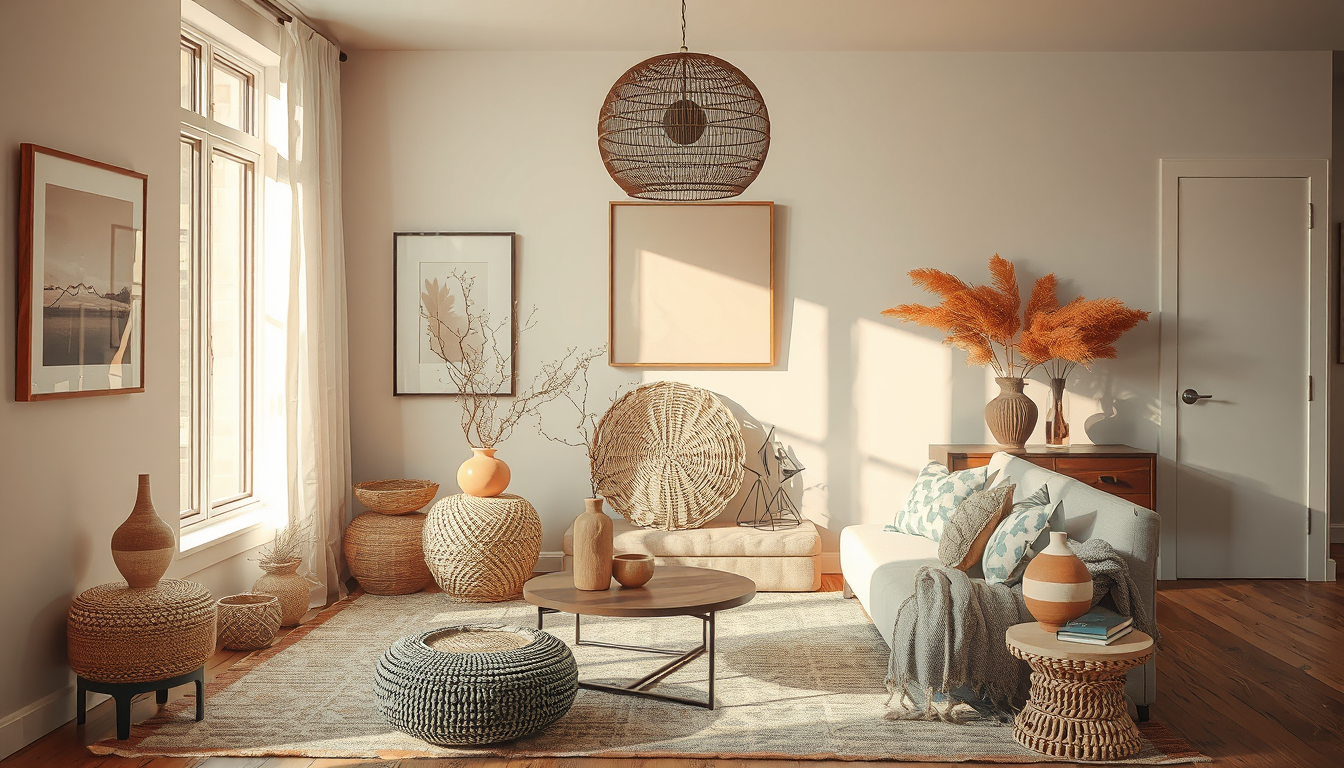
Woven basket decor Canada searches have surged in the past year, and Toronto designers know exactly why: in a city where the average condo measures just 660 square feet, every object needs to earn its place twice — once as storage, once as style . Baskets do both without trying. They soften hard surfaces, hide clutter in seconds, and bring the kind of lived-in warmth that no acrylic organizer ever will. This is the design move that works equally well on a $50 budget or a $500 one, in a Liberty Village studio or a Cabbagetown Victorian. Here at Toronto Interior Designer, we consider woven baskets the single most underused tool in Canadian small-space living.
Why Toronto Designers Choose Woven Baskets Over Conventional Storage
The shift is practical before it is aesthetic. Domino’s 2026 kitchen trend report names visible organization as the defining feature of calm, functional interiors — and baskets deliver that calm without the rigidity of matching bins or the cost of custom built-ins . House & Home’s annual trend forecast echoes the point, placing natural textures and organic materials at the centre of the year’s most influential rooms .
For Toronto specifically, the appeal runs deeper. Our homes swing between bone-dry winter heating and humid summers. Woven baskets breathe. They flex with seasonal changes in ways that rigid plastic and particleboard cannot. They also stack, nest, and tuck under benches — critical advantages when your entryway doubles as your mudroom, your office, and your drop zone for grocery bags.
“A well-chosen basket collection does what an entire closet system promises but rarely delivers: it keeps life organized while looking like something you actually want in the room.”
Unlike mass-produced storage, handcrafted baskets carry texture and slight irregularity that make a space feel collected rather than decorated. That distinction — collected versus curated — is the throughline of 2026 interiors. Architectural Digest’s coverage of craft-forward restorations and Design Milk’s spotlight on artisan-made objects both confirm the direction .
Best Canadian-Made Woven Baskets: Where to Shop Local
Find the Finishing Pieces
Accent lighting, ceramics, mirrors, and small furniture often make the biggest difference in builder-grade rooms.
Toronto Interior Designer may earn a commission if you shop through these links at no extra cost to you.
Canada has a basket-weaving heritage that stretches back thousands of years. Mi’kmaq quillwork baskets and Mohawk black ash splint baskets are recognized cultural art forms, and supporting the artisans who continue these traditions is one of the most meaningful purchasing decisions a homeowner can make.
Here is where to start:
| Source | What They Offer | Price Range (CAD) | Best For |
|---|---|---|---|
| Indigenous artisan markets (e.g., Toronto’s Pow Wow markets, Six Nations) | Black ash splint, sweetgrass, and birchbark baskets | $60–$300+ | Statement pieces, ethical collecting |
| Mjolk (Toronto) | Curated Japanese and Scandinavian-influenced woven storage | $45–$180 | Minimalist condos, gift-worthy pieces |
| Structube (Montreal-based, ships nationally) | Seagrass and rattan baskets in modern shapes | $25–$90 | Budget-friendly layering |
| HomeSense / Winners | Rotating selection of woven baskets, water hyacinth and jute | $15–$60 | Stocking up on multiples |
| Etsy Canada (filter by Canadian sellers) | One-of-a-kind handwoven pieces, often small-batch | $30–$200 | Unique textures, custom sizing |
When buying Indigenous-made baskets, purchase directly from artisans or verified Indigenous-owned retailers. This ensures fair compensation and respects the cultural significance of the craft. If you are investing in renovation-scale storage solutions alongside your basket collection, our guide on how to find a contractor in Toronto covers vetting professionals who respect both your budget and your design vision.
5 Proven Ways to Style Woven Basket Decor in Small-Space Condos
Once you have the right baskets, placement makes the difference. These five approaches separate a polished interior from a cluttered one, whether you have 500 or 2,500 square feet.
- Entryway catch-all tower. Stack three graduated baskets beside the door. Largest on the bottom for shoes, middle for scarves and gloves, smallest on top for keys and sunglasses. This eliminates the need for a console table in tight hallways.
- Open-shelf kitchen inserts. Slide flat-backed baskets into open shelving to corral spice packets, tea boxes, or linen napkins. The basket edge hides visual noise while keeping contents within reach — a trick that aligns with the pantry-as-design-feature trend Domino identified.
- Under-coffee-table storage. A wide, low basket beneath a glass or open-frame coffee table turns dead space into blanket and magazine storage. For more ideas on building warmth into your main living area, see our cozy living room ideas for Canadian homes.
- Bathroom towel and toiletry baskets. A lidded basket on a vanity counter or beside the tub replaces a linen closet you may not have. Choose tightly woven seagrass or rattan to resist humidity.
- Wall-mounted basket gallery. Hang three to five baskets of varying size and weave on a living room or bedroom wall. This replaces the traditional gallery wall with a textural, three-dimensional alternative — a move Homes & Gardens highlighted as a leading 2026 styling shift .
Woven Basket Materials Guide: What Performs Best in Canadian Climates
Not all weaves handle our climate equally. Toronto’s forced-air heating can drop indoor humidity to 20 percent in January, then summer pushes it past 60 percent. Here is what to expect from the most common materials.
Rattan is the workhorse. It is a solid-core vine that resists cracking in dry conditions better than hollow-stemmed alternatives. It takes stain and paint well, so you will find it in everything from natural blonde to matte black finishes. Best for pieces that stay out year-round.
Seagrass offers a tighter, smoother weave and a slightly green-brown tone that reads as modern. It is more affordable than rattan but can become brittle after several dry winters. Lightly misting seagrass baskets once a month during heating season extends their life significantly.
Black ash splint, used in many Indigenous basket-weaving traditions, is remarkably resilient. The wood’s natural flexibility holds up through humidity swings, which is one reason these baskets have survived centuries in Canadian climates. Treat them as heirloom investments.
Jute and cotton rope baskets are soft, collapsible, and machine-washable in many cases — ideal for kids’ rooms or laundry. They lack the structural rigidity of rattan but win on versatility. If you are outfitting a child’s space, our kids’ bedroom design guide covers more storage strategies sized for small hands and small rooms.
How to Layer Woven Textures for a Collected, Not Decorated, Look
Knowing your materials is only half the equation — how you combine them in a room determines whether the result feels curated or chaotic. The biggest mistake with woven basket decor Canada homeowners make is buying a matching set. Uniformity reads as retail display. Instead, mix at least two materials and two weave scales in the same room. Pair a chunky jute floor basket with a fine-weave rattan shelf insert. Add one piece with colour — a dyed seagrass bin or a patterned Indigenous basket — to anchor the grouping.
Odd numbers work. Three baskets on a shelf outperform two or four visually. Vary the heights. Let one basket sit open and another stay lidded. The goal is the same quality Toronto Interior Designer advocates across every room: intentional variety that looks like it was gathered over time, even if you bought it all on Saturday.
What to Do Next
- Audit one room this weekend. Identify three spots where a basket could replace a plastic bin, an overstuffed drawer, or empty floor space.
- Start with two materials. Buy one rattan and one seagrass piece to test how each handles your home’s humidity before committing to a full collection.
- Shop local first. Check Mjolk, Structube, or an upcoming artisan market before defaulting to big-box options.
- Research Indigenous artisans. Look for verified sellers at Six Nations or through Indigenous-owned online shops — your purchase supports living cultural traditions.
- Mist in winter. Set a monthly reminder from November through March to lightly spray seagrass and jute baskets, preventing brittleness from dry indoor air.
- Browse our decor accents archive for more texture-forward styling ideas that work in Canadian homes.
Woven basket decor Canada style is not a passing trend — it is a return to materials that have worked in this climate for generations. Start with one basket, put it to work, and build from there.
Source Warm, Livable Staples
Natural textures and simple silhouettes are easier to layer when you start with timeless foundational pieces.
Toronto Interior Designer may earn a commission if you shop through these links at no extra cost to you.
Sources
- Urbanation condo market data — https://www.urbanation.ca
- Domino 2026 kitchen trends — https://www.domino.com
- House & Home 2026 trends — https://houseandhome.com
- Architectural Digest craft-forward restoration feature — https://www.architecturaldigest.com
- Homes & Gardens gallery wall alternatives — https://www.homesandgardens.com
Frequently Asked Questions
Where can I buy woven basket decor in Canada?
Shop Canadian retailers like Mjolk in Toronto, Structube, HomeSense, and Etsy Canada filtered by Canadian sellers. For Indigenous-made baskets, purchase directly from artisans at Six Nations or Toronto Pow Wow markets to ensure fair compensation and cultural respect.
What basket material lasts longest in Canadian climates?
Rattan is the most durable option for Canadian homes. Its solid-core vine resists cracking in dry winter heating and handles summer humidity well. Black ash splint baskets from Indigenous traditions are also remarkably resilient and can last generations with proper care.
How do I keep woven baskets from drying out in winter?
Lightly mist seagrass and jute baskets once a month from November through March. Toronto’s forced-air heating can drop indoor humidity to 20 percent, causing natural fibres to become brittle. Rattan and black ash splint require less maintenance but benefit from occasional conditioning.