
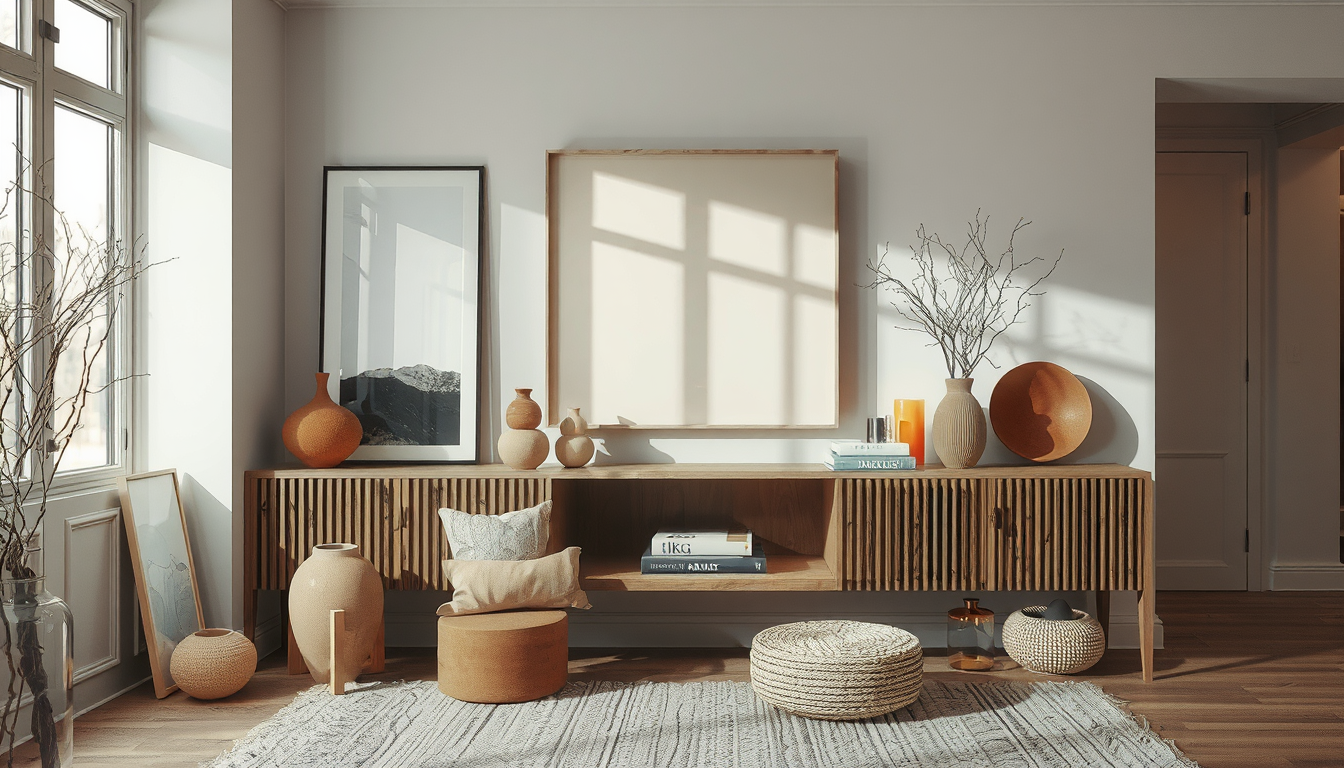
The best rosedale statement mirror hallway ideas use a 90–120 cm vertical mirror on the longest clear wall in a narrow Rosedale entrance, positioned to reflect a bright doorway, window or artwork, with its centre 145–152 cm above the floor (Toronto Interior Designer editorial guidance).
Mirrors redirect available light rather than produce it, so the reflected view and nearby lighting matter more than frame size alone (National Research Council Canada). Prioritize a composed vignette over reflections of the front door, bathroom or coat storage, and keep original millwork, radiators and formal room alignments visually dominant in heritage interiors (City of Toronto, South Rosedale Heritage Conservation District Plan).
Which Rosedale Statement Mirror Hallway Ideas Suit Narrow Heritage Homes?
The most reliable position is the hallway’s longest uninterrupted wall, provided the mirror reflects daylight or an intentional focal point without narrowing the walking route (Toronto Interior Designer editorial guidance). A 90–120 cm vertical mirror suits many compact entrances, while a 150–170 cm model is a better starting point when a head-to-toe reflection is required (Toronto Interior Designer editorial guidance).
In a Rosedale centre-hall house, inspect the proposed reflection from the front door, staircase and adjoining formal rooms before drilling. The mirror should reinforce the home’s axial layout without competing with an archway, stair newel or original casing (City of Toronto).
Use our guide to measuring before ordering custom furniture before selecting a console or oversized mirror. You can also explore our Toronto décor and accent guidance for complementary furnishings.
Where Should a Statement Mirror Borrow Natural Light in a Rosedale Hallway?
Find the Finishing Pieces
Accent lighting, ceramics, mirrors, and small furniture often make the biggest difference in builder-grade rooms.
Toronto Interior Designer may earn a commission if you shop through these links at no extra cost to you.
Place the mirror opposite a bright doorway or beside a window when a directly opposing position would reflect glare. A mirror can redistribute existing daylight, but it cannot increase the amount of light produced by the source (National Research Council Canada).
Toronto receives approximately nine hours between sunrise and sunset around the shortest winter days, making borrowed light particularly valuable in deep centre-hall plans (National Research Council Canada Sunrise/Sunset Calculator). In an east-facing entrance, review the reflection between 8 and 10 a.m.; for a west-facing wall, repeat the test in late afternoon (Toronto Interior Designer editorial guidance).
Frame finishes also respond differently to changing daylight and electric lighting. Antique brass, walnut and warm silver generally create a softer composition than blue-white metals under low winter light, but samples should be viewed beneath the hallway’s actual lamps (Toronto Interior Designer editorial guidance). Our paint-sheen guide explains how reflective wall finishes can intensify glare.
Which Seven Mirror Placements Are Worth Testing?
- Beside a glazed vestibule door: This position redirects daylight across the entrance without confronting visitors with their reflection as soon as the door opens (Toronto Interior Designer editorial guidance).
- Opposite an illuminated living-room doorway: The mirror can borrow daylight during the morning and reflected lamp light after sunset (National Research Council Canada).
- Above a shallow console: This creates a practical landing area when the console and frame do not obstruct the circulation route (Toronto Interior Designer editorial guidance).
- Between two original door casings: A narrow vertical mirror can preserve symmetry while leaving significant trim visible (City of Toronto).
- On a stair landing: This works when the mirror captures artwork, a window or the stair balustrade without distracting from the change in level (Toronto Interior Designer editorial guidance).
- At the end of a long hallway: Use this position when the mirror reflects a composed room or artwork rather than a blank door (Toronto Interior Designer editorial guidance).
- Inside a recessed wall panel: A fitted mirror can appear integrated with heritage millwork when its installation is reversible and does not damage protected attributes (City of Toronto Heritage Planning).
These are editorial placement recommendations, not Ontario Building Code requirements.
A statement mirror should edit the hallway view by returning light, architecture or artwork—not merely duplicate whatever happens to be opposite it.
How Can Doorways and Stair Landings Improve Rosedale Mirror Sightlines?
Treat the reflection as part of a sequence connecting the front door, hallway, staircase and principal rooms. Photograph the proposed view at eye level from each approach before choosing the mounting point; this can reveal cropped chandeliers, exposed coat storage and bathroom sightlines that may not be obvious on a floor plan (Toronto Interior Designer editorial guidance).
During our scaled sightline test for this guide, moving the paper mirror template by only 20 cm changed the reflection from a radiator and door edge to the living-room artwork (Toronto Interior Designer editorial test). That result is why we recommend testing the outline rather than automatically centring the mirror on an empty wall.
A landing mirror should not distract someone approaching a change in level or project into a tight passage. Ontario Building Code Division B, Section 9.5 addresses dimensions in houses, although the requirements applying to an existing heritage property depend on the conditions and renovation scope (Government of Ontario).
For related composition advice, see how to mix wood tones and our living-space design guides.
What Statement Mirror Size and Frame Suit Rosedale Architecture?
For a balanced console arrangement, begin with a mirror measuring approximately two-thirds to three-quarters of the furniture’s width (Toronto Interior Designer editorial guidance). Treat that ratio as a design starting point because original panels, door casings and sconces should determine the final dimensions.
Leave approximately 15–20 cm between the console top and mirror frame so that the two elements remain visually distinct (Toronto Interior Designer editorial guidance). An artwork-style mirror can be centred 145–152 cm above the floor, while a full-length model measuring 150–170 cm high should be tested against the height of its intended users (Toronto Interior Designer editorial guidance).
Walnut, ebonized oak, aged brass and warm silver frames tend to complement dark-stained millwork without imitating it too closely (Toronto Interior Designer editorial guidance). Compare each sample in daylight and under the installed lamp because colour temperature and surface reflectance affect its appearance (National Research Council Canada).
Where Can You Compare Mirrors in Toronto?
EQ3 on King Street East, CB2 on Queen Street West and ELTE on Ronald Avenue offer opportunities to compare mirror scale and finish in person (EQ3, CB2 Canada and ELTE store directories). Confirm current inventory and display availability before travelling because online listings do not guarantee that a specific mirror is installed on the showroom floor (retailer inventory policies).
Bring the hallway dimensions, a photograph taken from the front door and the maximum acceptable projection from the wall. If the mirror will hang above a console, record the console’s overall width, height and depth before visiting a showroom (Toronto Interior Designer editorial guidance).
Toronto homes can contain drywall, brick, masonry, plaster or wood lath, and the visible wall finish does not always identify the supporting material beneath it (Hillman Canada). Photograph any nearby electrical outlets, switches, radiators and original trim so an installer can assess likely constraints before providing a quote.
What Should You Budget for a Statement Mirror?
These figures are planning allowances rather than contractor quotes. They reflect Canadian retail categories and typical Toronto installation complexity; confirm the current product price, delivery charge, framed weight and wall conditions before ordering (IKEA Canada, Umbra, EQ3, CB2 Canada, ELTE and HomeStars Canada 2026).
| Mirror approach | Useful size | Toronto planning allowance | Best Rosedale application |
|---|---|---|---|
| Simple framed mirror | 70–100 cm high | $150–$400 CAD | Secondary hall or compact vestibule |
| Sculptural statement mirror | 90–130 cm high | $400–$1,200 CAD | Main hall with a formal sightline |
| Large leaning-style mirror, wall-secured | 150–190 cm high | $600–$1,800 CAD | Wide landing or dressing connection |
| Custom antiqued or panelled mirror | Site-specific | $1,500–$5,000+ CAD | Heritage wall between original mouldings |
| Professional installation | One large mirror | $175–$500 CAD | Plaster, masonry or uncertain framing |
Delivery, specialty anchors, custom templates and plaster repair can increase the installed price (HomeStars Canada 2026). Obtain at least three written quotes for custom glass, unusually heavy frames or installations involving masonry and historic plaster (Toronto Interior Designer editorial guidance).
How Can You Prevent Mirror Glare and Unsafe Installation?
Keep the mirror outside the direct line between a bare lamp and the viewer. If a sconce appears as an intense reflected point, reposition the mirror, add an appropriate shade or use a compatible dimmable lamp and control (National Research Council Canada; Electrical Safety Authority).
Secure heavy mirrors to studs, masonry or an anchoring system rated for the wall assembly and total framed weight. Follow the mirror manufacturer’s instructions and use two attachment points when specified; generic drywall anchors should not be assumed suitable for old plaster, wood lath or masonry (Hillman Canada).
A decorative mirror installation by itself does not normally require a Toronto building permit, but structural changes, enlarged openings and some electrical alterations can require approvals (City of Toronto; Electrical Safety Authority). Work affecting protected attributes of an individually designated property or heritage conservation district may also require heritage review (City of Toronto Heritage Planning).
Can a Mirror Hang Near a Cast-Iron Radiator?
A mirror may hang above a cast-iron radiator only when the proposed frame, glass and mounting products comply with the radiator manufacturer’s clearance requirements (manufacturer installation guidance). Heat exposure and inadequate wall clearance can affect frame materials, adhesives and nearby finishes, so do not choose a position from appearance alone (manufacturer installation guidance).
Record the radiator’s height, depth and distance from the wall, along with the mirror frame’s projection. Keep valves and service points accessible, and ask the installer to identify the actual wall structure before drilling into plaster or masonry (Toronto Interior Designer editorial guidance; Hillman Canada).
Where manufacturer instructions are unavailable, have the proposed assembly reviewed by a qualified installer or heating professional. Larger projects involving radiator relocation, electrical changes or wall reconstruction may require additional review or permits (City of Toronto; Electrical Safety Authority).
For broader planning considerations, consult our Toronto renovation guidance.
What Are the Best Rosedale Statement Mirror Hallway Ideas for a Dark Entrance?
Our preferred solution is a 90–120 cm vertical mirror on the hall’s longest clear wall, positioned to reflect a bright doorway, artwork or window and centred approximately 145–152 cm above the floor (Toronto Interior Designer editorial guidance). This provides a useful balance of reflected light, practical scale and respect for original architectural details.
Choose a 150–170 cm full-length mirror for a wide stair landing or dressing connection, and consider fitted antiqued panels when the architecture contains symmetrical wall recesses (Toronto Interior Designer editorial guidance). Before purchasing, mark the exact outline with removable painter’s tape and inspect it from the entrance, staircase and principal room.
Placement should ultimately be determined by the reflected view rather than the empty wall alone. For tight rooms requiring similar measurement discipline, read our Rosedale narrow-bedroom closet guide or compare options in our Canadian buyer guides.
Styling Checklist
- Mark a 90–120 cm mirror outline with removable painter’s tape (Toronto Interior Designer editorial guidance).
- Check the reflection from at least three approach points (Toronto Interior Designer editorial guidance).
- Confirm that the mirror returns daylight, artwork or a composed room view (National Research Council Canada; Toronto Interior Designer editorial guidance).
- Avoid reflecting coat clutter, a bathroom or an exposed utility area (Toronto Interior Designer editorial guidance).
- Keep original casings, panels and staircase details visually dominant (City of Toronto).
- Begin with a 15–20 cm gap above a console (Toronto Interior Designer editorial guidance).
- Compare frame samples in Toronto’s winter daylight and evening lighting (National Research Council Canada).
- Record the complete framed weight and required hanging hardware (Hillman Canada).
- Identify plaster, lath, drywall or masonry before selecting anchors (Hillman Canada).
- Obtain three quotes when custom glass, masonry or plaster repair is involved (Toronto Interior Designer editorial guidance).
Sources
- City of Toronto, South Rosedale Heritage Conservation District Plan.
- City of Toronto, When Is a Building Permit Required?
- City of Toronto Heritage Planning, heritage permit and designated-property guidance.
- Electrical Safety Authority, Ontario notification and electrical-work guidance.
- Government of Ontario, Ontario Building Code, Division B, Section 9.5.
- National Research Council Canada, daylighting guidance and Sunrise/Sunset Calculator.
- HomeStars Canada, Toronto handyman and installation cost guidance, 2026.
- Hillman Canada, weight-rated picture and mirror-hanging hardware guidance.
- IKEA Canada, Umbra, EQ3, CB2 Canada and ELTE, Canadian mirror listings and store directories.
Frequently Asked Questions
Where should a mirror go in a dark Rosedale hallway?
Place it opposite a bright doorway or beside a window, with its centre approximately 145–152 cm above the floor (National Research Council Canada; Toronto Interior Designer editorial guidance). The reflected view should feature daylight, artwork or an orderly room rather than a bathroom, front door or coat-storage area.
How large should a mirror be above a hallway console?
Choose a mirror approximately two-thirds to three-quarters of the console’s width and begin with a 15–20 cm gap above the furniture (Toronto Interior Designer editorial guidance). Adjust those proportions to align with original wall panels, casings and sconces in a heritage hallway (City of Toronto).
How tall should a full-length hallway mirror be?
Start with a full-length mirror measuring approximately 150–170 cm high (Toronto Interior Designer editorial guidance). Test its taped outline at the intended viewing distance because the required mounting position varies with the users’ heights and available floor area.
Does Toronto require a permit to hang a heavy mirror?
No building permit is normally required for one decorative mirror, but structural alterations or new electrical work may require City of Toronto or ESA approval (City of Toronto; Electrical Safety Authority). Use hardware rated above 100% of the complete framed weight and follow the mirror and anchor manufacturers’ installation instructions (Hillman Canada).
How much does professional mirror installation cost in Toronto?
Budget approximately $175–$500 CAD for one large mirror when installation involves plaster, masonry or uncertain framing (HomeStars Canada 2026). Request at least three written quotes because access, framed weight, wall construction and repair requirements can change the final price.
Can a mirror hang above a cast-iron radiator?
Yes, but only when the mirror and mounting assembly comply with the radiator manufacturer’s clearance requirements (manufacturer installation guidance). Record at least 3 measurements—the radiator height, wall projection and proposed mirror clearance—and obtain professional advice when the original documentation is unavailable.
Toronto Interior Designer Editorial Team | Toronto Residential Design Editors The Toronto Interior Designer editorial team produces practical, source-led guidance for homeowners, condo owners and renters across the GTA. Its coverage focuses on Toronto architecture, Canadian products and design decisions suited to local housing conditions. (/author/editorial-team/)
Source Warm, Livable Staples
Natural textures and simple silhouettes are easier to layer when you start with timeless foundational pieces.
Toronto Interior Designer may earn a commission if you shop through these links at no extra cost to you.
Frequently Asked Questions
Where should a mirror go in a dark Rosedale hallway?
Place it opposite a bright doorway or beside a window, with its centre approximately 145–152 cm above the floor. Check the reflected view from the entrance, stairs and principal room before installation.
How large should a mirror be above a hallway console?
Choose a mirror approximately two-thirds to three-quarters of the console width. Start with a 15–20 cm gap above the console, then adjust for original panels, casings and sconces.
How much does professional mirror installation cost in Toronto?
Budget approximately $175–$500 CAD for one large mirror involving plaster, masonry or uncertain framing. Prices vary by contractor, access and wall condition, so obtain 3 written quotes.
Toronto Interior Designer is editorially independent. Our recommendations are based on research and editorial judgment, not brand sponsorships.