
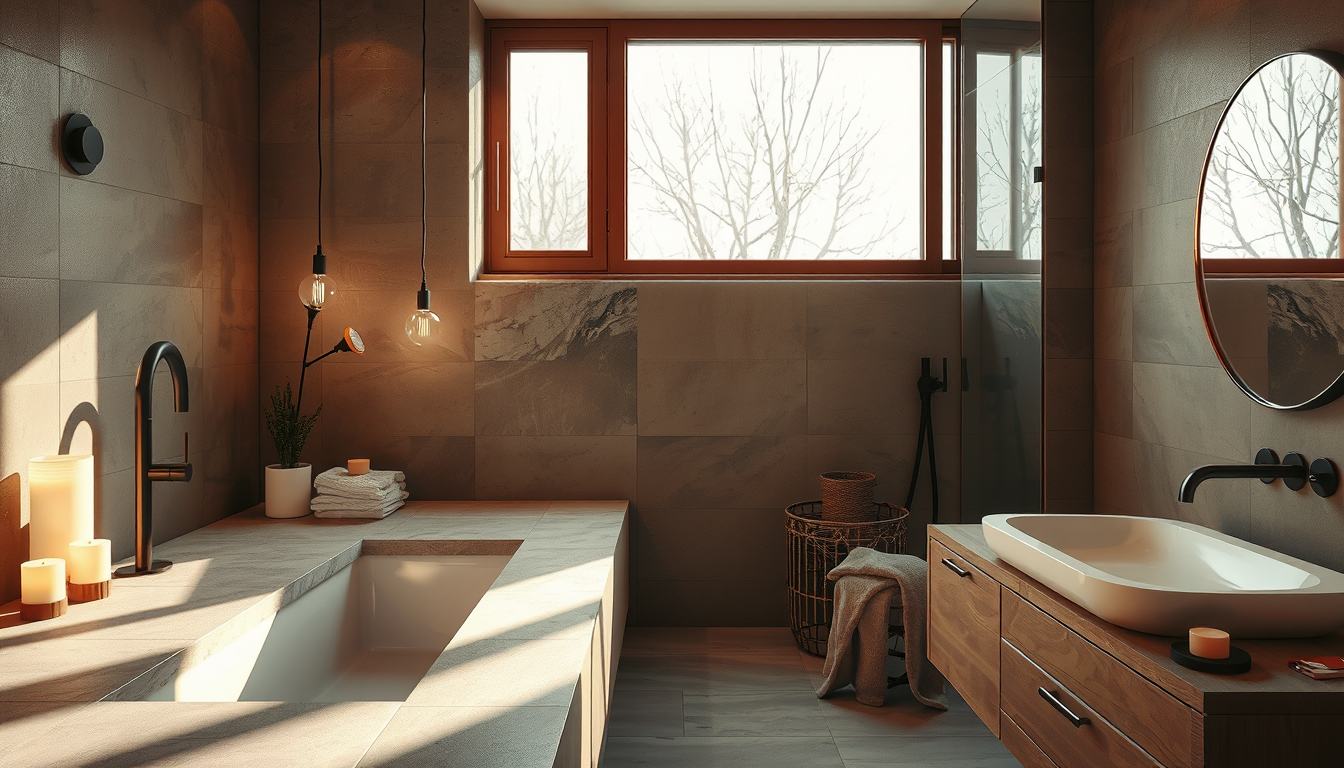
Budget bathroom safety seniors upgrades should begin with better lighting and traction, followed by securely anchored grab bars, a hand-held shower and a stable shower seat. This sequence addresses common hazards without requiring a full renovation—and matters because 20% to 30% of Canadians aged 65 and older fall each year (Public Health Agency of Canada).
Last updated: April 1, 2026
Meta description: Plan budget bathroom safety seniors upgrades with Toronto costs, condo rules and seven practical ways to reduce fall risks.
For a functional Toronto bathroom that lacks secure supports, we recommend budgeting $600 to $1,500 CAD installed, including 13% HST. Final costs depend on wall construction, product selection and contractor availability, so obtain three itemized GTA quotes before authorizing the work (HomeStars Canada 2026).
What Are the Biggest Bathroom Safety Risks for Seniors?
The biggest risks are slippery surfaces, poor nighttime visibility, unstable supports and difficult transfers at the toilet, tub or shower. Bathrooms combine water, hard finishes, thresholds and repeated sit-to-stand movements, while falls remain the leading cause of injury among Canadians aged 65 and older (Public Health Agency of Canada).
Inspect the bathroom at the time it is normally used. Look for shadows along the bedroom-to-bathroom route, mats that slide or curl, and any situation in which the resident reaches for a towel bar, faucet or glass enclosure for balance.
The Canadian Centre for Occupational Health and Safety recommends controlling slip-and-fall hazards through housekeeping, suitable flooring and adequate lighting (CCOHS).
The best first purchase is rarely an expensive walk-in tub. Start by creating a well-lit, slip-resistant path through the room, then add properly anchored support where transfers occur.
When is a professional assessment worthwhile?
An occupational therapist can evaluate balance, reach, strength and transfer patterns when mobility needs are complex or changing (Canadian Association of Occupational Therapists). This assessment is especially useful before choosing grab-bar locations or replacing a tub.
The same reach-first approach applies elsewhere in the home; see our reachable kitchen cabinet ideas for seniors.
Which Budget Bathroom Safety Seniors Upgrades Should Come First?
Upgrade the Details That Change Everything
Lighting, mirrors, and matte hardware can make a modest bathroom renovation feel far more custom.
Toronto Interior Designer may earn a commission if you shop through these links at no extra cost to you.
Prioritize improvements in this order: lighting, traction, grab bars, a hand-held shower, a stable seat, toilet height and easier temperature control. The following ranges include representative Canadian products, GTA labour and 13% Ontario HST (HomeStars Canada 2026; Home Depot Canada and RONA, accessed March 2026).
| Upgrade | Toronto Installed Cost | Typical Timeline | Permit Needed? |
|---|---|---|---|
| Motion-sensor night-light | $15–$40 | 10 minutes | No |
| High-traction mat or adhesive strips | $25–$90 | 15–45 minutes | No |
| One securely anchored grab bar | $240–$570 | 1–2 hours | Usually no |
| Hand-held shower conversion | $175–$525 | 1–3 hours | Usually no if plumbing remains |
| Stable shower seat | $80–$350 | 15–60 minutes | No |
| Comfort-height toilet replacement | $650–$1,400 | 2–4 hours | Usually no if location remains |
| Lever faucet or anti-scald valve work | $350–$1,100 | 2–5 hours | Depends on scope |
These figures are planning allowances rather than contractor quotations. Minimum service charges, tile conditions, parking, material handling and hidden wall repairs can change the final price (HomeStars Canada 2026).
1. Improve nighttime lighting
A $15 to $40 motion-sensor night-light can improve visibility without requiring permanent electrical work (Home Depot Canada and RONA, accessed March 2026). Place it where it illuminates the route and bathroom entrance without creating glare.
The Public Health Agency of Canada recommends improving household lighting and removing trip hazards as part of fall prevention (Public Health Agency of Canada). If permanent fixtures or switches must be added, electrical work may require an Electrical Safety Authority notification (ESA).
2. Add traction underfoot
A flat, rubber-backed bath mat or properly installed traction treatment typically costs $25 to $90 (Home Depot Canada and RONA, accessed March 2026). Avoid layered rugs, curled edges and thick mats that interfere with the door swing.
When replacing flooring, request documented wet-area slip-performance information rather than relying on marketing terms such as “textured” or “spa finish” (CSA Group). Keep soap residue and standing water under control because housekeeping is an important part of slip prevention (CCOHS).
3. Install structural grab bars
A professionally installed grab bar generally costs $240 to $570 per bar in Toronto, including representative materials, GTA labour and HST (HomeStars Canada 2026; Canadian retailer pricing, March 2026).
The bar must be secured to framing, blocking or an approved substrate-specific fastening system. CSA B651 provides structural and placement guidance, although every provision may not apply to a private residence (CSA Group).
Never treat a towel rail as structural support. Suction-mounted products also depend on surface and seal conditions and should not be relied upon to carry body weight (Health Canada).
4. Convert to a hand-held shower
A basic hand-held shower conversion typically costs $175 to $525 installed when existing plumbing can remain in place (HomeStars Canada 2026; Canadian retailer pricing, March 2026). A slide-bar model can accommodate seated and standing users, but the slide bar must be rated as a grab bar before it is used for support (CSA Group; manufacturer specifications).
Toronto drinking water has average hardness of approximately 124 mg/L as calcium carbonate, which can leave mineral residue on spray faces and aerators (City of Toronto). We favour flexible silicone nozzles because they are easier to wipe clean.
5. Choose a stable shower seat
Freestanding shower chairs generally cost $80 to $350, depending on size, adjustability and construction (Home Depot Canada and RONA, accessed March 2026). Choose a model with non-slip feet, drainage openings and a seat height suited to the resident’s transfer pattern.
Wall-mounted folding seats preserve floor area but require secure structural anchoring. Installation should follow the manufacturer’s specified substrate, fasteners and load requirements (manufacturer specifications).
A transfer bench may improve access over an existing tub, but it must sit level and must not block the bathroom door or circulation route.
6. Consider a comfort-height toilet
A comfort-height toilet replacement typically costs $650 to $1,400 installed when the fixture remains in the same location (HomeStars Canada 2026; Canadian retailer pricing, March 2026). A higher seat can reduce the depth of a sit-to-stand movement, although the correct height depends on the user’s body dimensions and abilities (Canadian Association of Occupational Therapists).
Do not select height in isolation. Check foot contact, nearby support and clearance around the bowl before purchasing.
7. Improve faucet and temperature controls
Lever handles are generally easier to operate than small round knobs for users with limited grip or dexterity (Canadian Association of Occupational Therapists). Faucet or anti-scald valve work typically costs $350 to $1,100, depending on access and whether the wall must be opened (HomeStars Canada 2026).
Pressure-balanced or thermostatic valves can improve temperature control. Ask a licensed plumber to confirm the appropriate valve, installation method and delivered-water temperature for the residence (Ontario Building Code).
Where Can Seniors Save on Bathroom Safety Upgrades?
Save on removable accessories, coordinated finishes and uncomplicated product changes. Invest in anything that must support body weight or alters plumbing, electrical wiring or waterproofing.
A homeowner or renter can usually position a shower chair, replace a loose mat or add a plug-in night-light without construction work. Grab bars, folding seats, concealed valves and new electrical connections require closer technical review (CSA Group; ESA).
Professional installation is especially important with large-format porcelain, hollow partitions, concrete walls or uncertain blocking. The installer should identify the substrate and fastening system before drilling.
In a 1920s Junction semi, the wall may contain plaster, lath or several generations of tile. In a CityPlace condo, concrete, waterproofing and common-element rules may determine the installation method. Review our Toronto renovation tips before requesting quotes.
How Can Safety Upgrades Fit Small Toronto Bathrooms?
Small bathrooms benefit from dual-purpose fixtures and protected circulation space. In our March 2026 editorial test-fit of a typical 5-by-8-foot Toronto bathroom, a 400-millimetre folding seat retained more standing space than a freestanding chair, while a vertical tub-entry bar avoided the existing towel rail (Toronto Interior Designer editorial test-fit, March 2026).
That test was a planning exercise, not a universal placement rule. Final dimensions should reflect the resident’s transfer pattern, wall structure and product instructions (Canadian Association of Occupational Therapists; manufacturer specifications).
Before adding storage, protect the route between the door, toilet and bathing area. Ideas from our Rosedale narrow-bedroom storage guide and Rosedale row-house built-in guide apply here: preserve clear floor area before adding cabinetry.
What should Toronto condo owners check?
Condo owners should request written approval before drilling walls, changing plumbing or disturbing waterproofing. Governing documents may regulate construction hours, contractor insurance, elevator bookings and alterations to common elements (Condominium Authority of Ontario).
Some Toronto buildings also impose wet-over-dry restrictions that can limit shower expansion above a neighbour’s bedroom or living area; confirm the rule in the declaration rather than assuming it applies universally (Condominium Authority of Ontario; building declaration).
For more layout ideas, browse our bathroom design archive.
How can the bathroom avoid looking institutional?
Choose coordinated residential finishes while maintaining visual contrast and structural performance. Rated grab bars are available in brushed nickel, matte black and warm metallic finishes, but decorative towel rails are not substitutes for safety-rated products (CSA Group; manufacturer specifications).
Contrast can help a resident distinguish supports from surrounding tile. Pair a darker grab bar with pale walls, or use a light fitting against darker tile, while avoiding busy patterns that obscure edges.
Coordinate the grab bars, hand shower and lever faucet, then keep storage and wall colour restrained. Our buyer guides and decor and accents archive offer additional product and finish ideas.
What Permits or Notifications Could Be Required?
Surface-mounted accessories and same-location fixture replacements generally do not require a City of Toronto building permit. Plumbing relocation, structural alterations or broader renovation work may require one, depending on the project scope (City of Toronto).
Many electrical installations require an ESA notification filed by the electrical contractor or homeowner (ESA). Confirm responsibility before work begins and retain the notification or inspection documentation.
Permit status does not determine whether a product is safely installed. A grab bar may not require a municipal permit, but it still needs suitable backing, approved fasteners and installation consistent with its rated use (CSA Group; manufacturer specifications).
Visit our Toronto renovation tips for broader planning guidance.
What Does a Three-Tier Senior Bathroom Safety Budget Cover?
A Toronto safety plan can be completed in stages instead of as a full renovation. The allowances below include representative products, GTA labour and 13% HST but exclude asbestos testing, extensive wall repair and full waterproofing (HomeStars Canada 2026).
| Budget Level | Estimated Installed Cost | Recommended Scope |
|---|---|---|
| Essential | $150–$500 | Night-light, traction treatment and stable freestanding seat |
| Priority | $600–$1,500 | Essential items, one or two anchored grab bars and a basic hand shower |
| Enhanced | $1,800–$4,500 | Multiple grab bars, upgraded hand shower, comfort-height toilet, folding seat and minor wall repair |
Obtain three written quotes separating products, labour, HST and potential wall repairs. Toronto trade pricing varies with minimum call-outs, site access, job complexity and material handling (HomeStars Canada 2026).
Our recommendation
Choose the $600 to $1,500 priority package when the bathroom is functional but lacks reliable transfer support. It addresses lighting, traction and key support points without committing to a full renovation.
The $150 to $500 essential package suits renters or households that cannot drill walls. The $1,800 to $4,500 enhanced package is more appropriate when toilet transfers are difficult, several support points are required or wall reinforcement is already planned.
Bathroom Safety Upgrade Checklist
- Remove loose rugs and clear the bedroom-to-bathroom route (Public Health Agency of Canada).
- Add motion-activated lighting along the nighttime route (Public Health Agency of Canada).
- Confirm each grab bar’s substrate, fasteners and rated load (CSA Group).
- Treat towel rails and suction products as accessories, not structural supports (Health Canada).
- Choose an easy-clean hand shower for Toronto’s approximately 124 mg/L water hardness (City of Toronto).
- Test the shower seat for stability, drainage and suitable height (Canadian Association of Occupational Therapists).
- Ask the condo board about drilling, waterproofing, insurance and work-hour rules (Condominium Authority of Ontario).
- Confirm City of Toronto permit and ESA notification requirements (City of Toronto; ESA).
- Obtain three itemized GTA contractor quotes (HomeStars Canada 2026).
- Keep invoices, installation instructions and photographs of concealed blocking.
What Should Toronto Households Know About Senior Bathroom Safety?
How much do basic bathroom safety upgrades cost in Toronto?
Basic removable improvements generally cost $150 to $500 CAD, including a motion night-light, traction product and stable shower seat (HomeStars Canada 2026; Canadian retailer pricing, March 2026). Adding anchored grab bars and a hand shower typically raises the planning budget to $600 to $1,500, including 13% HST.
Are suction grab bars safe for seniors?
No—suction grab bars should not be treated as structural supports because their holding strength depends on the surface, seal and installation condition (Health Canada). Budget approximately $240 to $570 for one fixed grab bar secured to suitable framing or an approved substrate system (HomeStars Canada 2026).
Does a Toronto bathroom safety upgrade need a permit?
Usually not for surface-mounted accessories or same-location fixture replacements, but moving plumbing or altering structure may require a City of Toronto permit (City of Toronto). Electrical work may also require an ESA notification, even when the initial accessory budget is only $150 to $500 (ESA).
What should condo owners check before installing grab bars?
Obtain written approval and confirm drilling, waterproofing, contractor-insurance and construction-hour rules before installation (Condominium Authority of Ontario). These requirements can apply even when a $240 to $570 grab-bar installation does not require a municipal permit (HomeStars Canada 2026; City of Toronto).
What is the best first purchase for a safer bathroom?
Start with a $15 to $40 motion night-light and a $25 to $90 traction product when poor visibility and slippery surfaces are the immediate concerns (Canadian retailer pricing, March 2026). If the resident reaches for fixtures to balance, make a professionally anchored grab bar the next priority.
Can a safer bathroom still look residential?
Yes—rated grab bars, hand showers and lever faucets are available in coordinated residential finishes (manufacturer specifications). Allow $600 to $1,500 for a cohesive priority package with professional anchoring instead of relying on decorative towel rails that cannot support body weight (HomeStars Canada 2026; CSA Group).
Sources
- Public Health Agency of Canada — Seniors’ falls in Canada
- City of Toronto — Building permit requirements
- City of Toronto — Drinking water quality
- Ontario Building Code
- Electrical Safety Authority — Notifications and inspections
- CSA Group — B651 Accessible design for the built environment
- Condominium Authority of Ontario
- Canadian Association of Occupational Therapists
- Canadian Centre for Occupational Health and Safety — Prevention of slips, trips and falls
- HomeStars — Canadian renovation and trade cost guides
- Health Canada — Consumer product safety
- Home Depot Canada and RONA online product listings, accessed March 2026
Toronto Interior Designer Editorial Team | Toronto Residential Design Editors The Toronto Interior Designer editorial team researches practical residential design, renovation and accessibility decisions for homeowners, condo owners and renters across the GTA. Its coverage combines Canadian standards, Toronto requirements, local test-fits and transparent cost assumptions. (/author/editorial-team/)
Keep Small Bathrooms Working Hard
Compact storage, simple shelving, and clean-lined accessories are the fastest way to add polish without crowding the room.
Toronto Interior Designer may earn a commission if you shop through these links at no extra cost to you.
Frequently Asked Questions
How much do basic bathroom safety upgrades cost in Toronto?
Basic improvements typically cost $150 to $500 CAD. A priority package with anchored grab bars and a hand-held shower costs about $600 to $1,500, including 13% HST.
Are suction grab bars safe for seniors?
Suction grab bars should not be treated as structural supports because their grip depends on the surface and seal. Choose a fixed grab bar secured to framing or an approved substrate system.
Do Toronto bathroom safety upgrades require a permit?
Surface-mounted accessories and same-location fixture replacements generally do not require a building permit. Plumbing relocation, structural changes, or regulated electrical work may require City approval or an ESA notification.
Toronto Interior Designer is editorially independent. Our recommendations are based on research and editorial judgment, not brand sponsorships.