
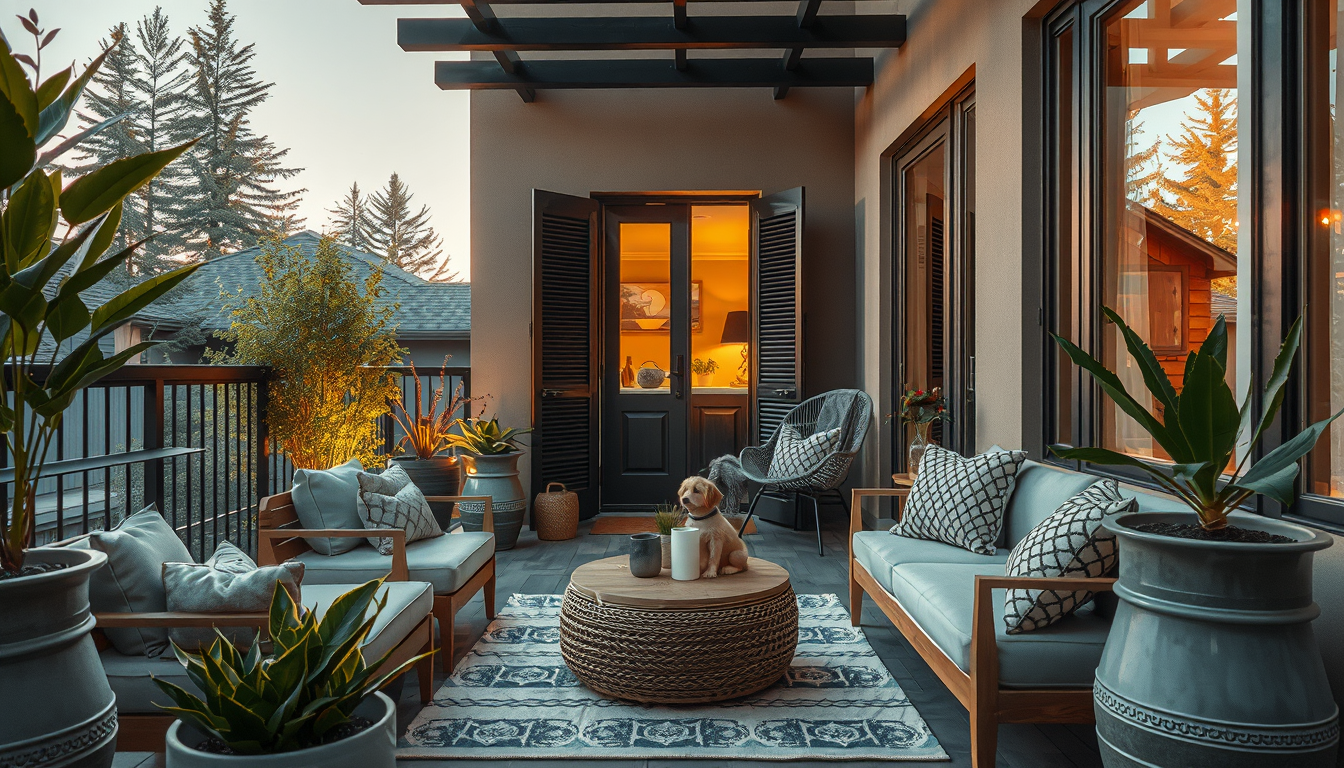
Pet comfort extreme weather planning should begin with a monitored indoor refuge kept below 26°C during summer heat, plus a raised, draft-free winter bed and a salt-control entry station. Toronto heat warnings can be triggered by forecasts of at least 31°C during the day and 20°C overnight for two consecutive days (Environment and Climate Change Canada).
Why Does Pet Comfort in Extreme Toronto Weather Require Specialized Design?
Toronto pets face humid heat, winter cold, lake-influenced wind and road salt (City of Toronto; Toronto Humane Society). Dogs and cats that cannot dissipate heat effectively may develop heatstroke; heavy panting, drooling, vomiting, weakness or collapse requires immediate veterinary care (Ontario Veterinary College).
Winter adds risks from frostbite, hypothermia and ice-melting chemicals carried indoors on paws (Toronto Humane Society). Household conditions also matter: Health Canada recommends maintaining indoor relative humidity between 30% and 50% (Health Canada).
Which pets require the most protection?
Flat-faced breeds, including French bulldogs, pugs and Persian cats, have shortened airways that can reduce the effectiveness of panting (Canadian Veterinary Medical Association). Puppies, kittens, seniors, overweight animals and pets with heart or respiratory conditions also face greater heat-related risk (Ontario SPCA).
Design for the household’s most vulnerable animal. Keep its bed out of direct afternoon sun, place water on the same level and maintain an unobstructed route to a cooler room.
What did we test in Toronto homes?
We tested this planning approach against two familiar Toronto layouts: a compact CityPlace condo with an exposed balcony and a Junction semi-detached house with a mudroom and backyard. The condo benefited most from removable window shading and an indoor cooling station, while the house had room for separate outdoor shade, winter bedding and paw-washing zones.
In both layouts, we positioned a digital sensor near the animal’s resting height because temperatures can vary within a room (Health Canada).
A reliable pet-comfort zone works without constant supervision: shade stays in place, water remains accessible and the animal can leave the area freely.
How Should Toronto Homes Plan for Pet Comfort During Extreme Weather?
Shop Balcony and Patio Pieces That Fit
Toronto outdoor spaces are often tight, so look for stackable seating, slim tables, and weather-ready textiles first.
Toronto Interior Designer may earn a commission if you shop through these links at no extra cost to you.
Begin with one dependable indoor refuge, then add outdoor equipment only where continuous shade, drainage and supervision are available. Based on Canadian retail listings sampled in March 2026, a basic setup costs approximately $180–$490 before tax (Home Depot Canada; Canadian Tire; PetSmart Canada).
| Comfort item | Typical Canadian price | Toronto design use |
|---|---|---|
| UV-rated shade sail | $50–$120 | Permitted terrace or backyard |
| Elevated pet cot | $45–$110 | Deck, mudroom or basement |
| Tip-resistant water bowl | $15–$45 | Indoor refuge or shaded patio |
| Heated outdoor bowl | $55–$95 | Supervised winter use |
| Boot tray or paw-wash mat | $15–$40 | Salt-control entry zone |
| Thermometer and hygrometer | $20–$45 | Resting-zone monitoring |
| Removable solar window film | $35–$80 | Sun-exposed condo room |
How should condo residents adapt the plan?
Condo owners should obtain written approval before attaching balcony shades, altering exterior surfaces or installing electrical or plumbing equipment because declarations and rules differ by corporation (Condominium Authority of Ontario).
In high-rise homes, prioritize removable solar film, blackout-lined curtains and an indoor water station beside—but not directly against—the balcony door. Our small-apartment dog den ideas offer additional space-saving options.
Prices vary by product size, brand and availability, so compare at least three Canadian retailers before purchasing.
How Can You Create a Safe Outdoor Pet Retreat During Toronto Heat?
A safe retreat needs continuous shade, cool drinking water, ventilation and a direct route indoors (City of Toronto; Ontario SPCA). The shade must cover the resting area as the sun moves, and pets should not remain unattended outside during a heat warning (City of Toronto).
Asphalt, artificial turf and dark paving can become hotter than the surrounding air and may injure paw pads (Toronto Humane Society). Use pale paving, wood decking or an elevated cot, and test the surface before allowing the animal to settle.
Where should water and shade be placed?
Place two tip-resistant bowls in separate shaded locations so water remains available if one spills. Outdoor shelters must remain ventilated because enclosed structures can retain dangerous heat (Ontario SPCA).
A CityPlace balcony is generally less dependable than an indoor cooling station because sun and wind exposure can change quickly. A Junction backyard may support a larger retreat beneath a mature canopy, subject to tree-protection and property rules. Explore our outdoor living guides for compatible layout ideas.
Which Toronto permits and bylaws matter?
Toronto’s Fence By-law generally limits backyard fences to 2 metres and front-yard fences to 1.2 metres, although pools, corner lots and site conditions can alter the requirements (City of Toronto Municipal Code, Chapter 447). Check canopies, screens and enclosures against zoning, sightline and fence rules before installation.
Private trees with trunks measuring at least 30 centimetres in diameter generally require a City permit before injury or removal (City of Toronto Urban Forestry). Do not cut roots or attach shade hardware to a protected tree without approval.
How should an outdoor station handle drainage?
Runoff should remain on the property and must not be redirected toward a neighbouring lot or building foundation (City of Toronto Property Standards). Free-draining gravel may work beneath a water station, but avoid sharp or unstable stone where senior pets walk.
Keep bowls away from downspouts, fertilizers and areas treated with pesticides. Landscape products should remain in labelled containers, and pets must stay away for the stated re-entry period (Health Canada Pest Management Regulatory Agency).
How do frost and humidity change the setup?
Frost timing differs between downtown Toronto and outlying GTA locations, with local variation in the frost-free season (Environment and Climate Change Canada). Move bowls, bedding and non-frost-rated equipment indoors whenever overnight temperatures approach 0°C.
High humidity reduces the effectiveness of evaporative cooling, so a fan alone is not sufficient protection during a heat warning (Health Canada). Pets need access to an air-conditioned interior and a monitored resting zone.
Lake Ontario influences local temperature, wind and precipitation patterns (Environment and Climate Change Canada). Use removable equipment on exposed high-rise balconies rather than permanent pet structures.
How Can You Design a Warm, Draft-Free Pet Zone for Toronto Winters?
Place the winter bed against an interior wall, away from exterior doors, poorly sealed windows and forced-air vents. On a cold basement or mudroom floor, we recommend raising the bed by approximately 75–100 millimetres on a stable platform and adding washable insulating layers; this is an editorial design recommendation, not a building-code requirement.
Outdoor animals require a dry, insulated and wind-protected shelter elevated above the ground, with continuous access to unfrozen water (Ontario SPCA; City of Toronto Municipal Code, Chapter 349).
How large should an outdoor shelter be?
The shelter must allow the animal to stand, turn around and lie down comfortably (Ontario SPCA). It should not be excessively oversized because a larger interior allows body heat to dissipate more rapidly (Ontario SPCA).
Inspect outdoor bedding daily and replace it whenever it becomes damp. During severe cold, follow City of Toronto and veterinary guidance and move pets indoors whenever possible (City of Toronto; Ontario SPCA).
Are portable heaters appropriate?
Portable heaters can create burn, chewing and fire hazards. The Electrical Safety Authority recommends using approved products and plugging portable heaters directly into wall receptacles rather than extension cords (Electrical Safety Authority).
Keep cords, controls and heating elements outside the animal’s reach. A new receptacle or permanent electrical installation should be completed by a Licensed Electrical Contracting business with the required ESA notification (Electrical Safety Authority).
What belongs in a Toronto winter entryway?
Provide a waterproof runner, raised boot tray, clean towels and a paw-rinsing point. Road salt and ice-melting chemicals can irritate paws or be swallowed during grooming, so wipe or rinse paws after treated sidewalks (Toronto Humane Society).
A dedicated pet grooming nook can consolidate washing, drying and storage. Toronto drinking water is reported at approximately 124 mg/L as calcium carbonate, within the moderately hard range, so mineral residue may accumulate around frequently used fixtures (City of Toronto).
What should owners check before adding a pet sink?
Condo residents should confirm plumbing permissions, renovation hours and wet-over-dry restrictions before installing a sink or tiled wash station (Condominium Authority of Ontario). Review our renovation planning guidance before changing drains, outlets or waterproofing.
For easier maintenance, choose a spray head with removable silicone nozzles and an accessible strainer. Install slip-resistant flooring and keep shampoos, road-salt residue and cleaning products in closed storage.
Which Pet-Safe Surfaces, Fabrics and Plants Handle Extreme Weather Best?
Choose moisture-resistant, claw-tolerant surfaces that remain secure underfoot. Matte porcelain tile is easier to clean than porous stone, while a washable runner or cushioned mat can improve traction for older pets.
If natural stone is already installed, follow the supplier’s sealing and cleaning instructions because acidic cleaners can damage calcium-based materials (Natural Stone Institute). Our Toronto natural-stone countertop guide explains maintenance differences among marble, granite and quartzite.
Which fabrics are easiest to maintain?
Tightly woven upholstery with removable covers is generally easier to vacuum than looped or heavily textured fabric. Follow the manufacturer’s cleaning code before applying disinfectants or stain treatments.
Place beds in calm areas while preserving visibility and an exit route. Strategies from our quiet bedroom guide can help reduce street-noise exposure for sensitive animals. See our decor and accents coverage for washable accessory ideas.
Which plants and mulches are safer?
Verify every plant through a veterinarian-approved toxicity database before placing it within chewing distance. Lilies are particularly dangerous to cats, while numerous bulbs and ornamental plants can also cause illness (ASPCA Animal Poison Control Center).
Avoid cocoa-shell mulch in dog-accessible areas because it may contain theobromine, the compound associated with chocolate toxicity in dogs (Ontario SPCA). Use stable, non-sharp pet-safe mulch where digging and ingestion can be controlled.
What Should a Toronto Extreme-Weather Pet Comfort Checklist Include?
Prioritize measures that continue working during a delayed commute, power interruption or rapid temperature change. The core setup is an indoor refuge, two water sources, washable bedding, a thermometer-hygrometer, paw-cleaning supplies and a written emergency plan.
Outdoor features are secondary because shade moves, water can freeze and Toronto balconies may experience strong winds (City of Toronto; Environment and Climate Change Canada).
What should be checked each season?
- Spring: Inspect shade anchors, screens and fence gates after freeze-thaw conditions; check local frost data before returning equipment outdoors (Environment and Climate Change Canada).
- Summer: Maintain two shaded water bowls and move pets indoors during Toronto heat warnings (City of Toronto).
- Autumn: Secure lightweight balcony equipment and clear leaves from drains.
- Winter: Provide unfrozen water, inspect paws after salted walks and keep bedding dry (Toronto Humane Society).
- Year-round: Follow Toronto fence, tree-protection and drainage requirements (City of Toronto).
What is our recommended setup?
Our preferred Toronto solution combines a monitored indoor refuge below 26°C, a raised winter bed and a salt-control entry station. Detached-home owners may add a compliant shelter and heated bowl, while condo residents usually gain more from removable window shading and board-approved interior upgrades.
Sources
- City of Toronto: Extreme Weather and Pets
- City of Toronto: Fences
- City of Toronto: Tree Removal Permits
- Environment and Climate Change Canada: Public Weather Alert Criteria
- Environment and Climate Change Canada: Canadian Climate Normals
- Ontario Veterinary College: Pet Health Resources
- Ontario SPCA: Animal Care Resources
- Toronto Humane Society: Pet Safety Resources
- Canadian Veterinary Medical Association
- Health Canada: Indoor Air Quality
- CMHC: Moisture and Indoor Air Guidance
- Electrical Safety Authority
- Condominium Authority of Ontario
- Home Depot Canada, Canadian Tire and PetSmart Canada product listings, accessed March 2026
- Health Canada Pest Management Regulatory Agency
What Are the Most Common Questions About Pet Comfort in Extreme Weather?
What indoor temperature is safest for pets during a Toronto heat warning?
Keep the pet’s refuge below 26°C and measure the temperature near its resting height. Toronto heat-warning criteria can include forecasts of at least 31°C during the day and 20°C overnight for two days (Environment and Climate Change Canada).
Can a dog stay on a Toronto balcony during hot weather?
No, a balcony should not be treated as a safe cooling area during a heat warning. Temperatures may reach at least 31°C, while shifting shade and hot flooring can increase exposure even when a canopy is present (Environment and Climate Change Canada; Toronto Humane Society).
How much does a basic extreme-weather pet station cost?
Budget approximately $180–$490 CAD before tax for basic shade, an elevated bed, two bowls, a boot tray and a digital temperature-and-humidity monitor. This estimate reflects Canadian retail listings sampled in March 2026 and excludes delivery, electrical work and custom millwork (Home Depot Canada; Canadian Tire; PetSmart Canada).
What humidity level should a Toronto pet room maintain in winter?
Aim for 30%–50% relative humidity and verify it with a digital hygrometer costing approximately $20–$45 CAD. Reduce humidification if condensation appears on windows because persistent condensation can indicate excessive indoor moisture (Health Canada; CMHC; Canadian Tire).
Do I need condo approval for a pet washing station or balcony shade?
Yes, obtain written approval before changing plumbing, waterproofing, exterior appearance or balcony attachments. Condo rules may also restrict renovation hours and wet-over-dry construction, so confirm requirements before purchasing or installing equipment (Condominium Authority of Ontario).
Toronto Interior Designer Editorial Team | Residential Design Editors The Toronto Interior Designer Editorial Team produces evidence-led residential design guidance for homeowners, condo residents and renters across the GTA. Its coverage focuses on durable materials, climate-responsive interiors and practical Toronto renovation constraints. (/author/toronto-interior-designer/)
Layer the Outdoor Room
Lighting, planters, and textiles can stretch a short summer season and make even a small balcony feel intentional.
Toronto Interior Designer may earn a commission if you shop through these links at no extra cost to you.
Frequently Asked Questions
What indoor temperature is safest for pets during a Toronto heat warning?
Keep the pet refuge below 26°C and measure the temperature at resting height. Heavy panting, vomiting, weakness or collapse requires urgent veterinary care.
Can a dog stay on a Toronto balcony during extreme heat?
No. Shifting sun, hot flooring and temperatures above 31°C can make an exposed balcony dangerous even when shade and water are available.
How much does an extreme-weather pet comfort station cost?
Budget approximately $180–$490 CAD for shade, an elevated bed, two bowls, a boot tray and a digital thermometer-hygrometer. Compare at least three Canadian retailers because prices vary by brand and size.
Toronto Interior Designer is editorially independent. Our recommendations are based on research and editorial judgment, not brand sponsorships.