
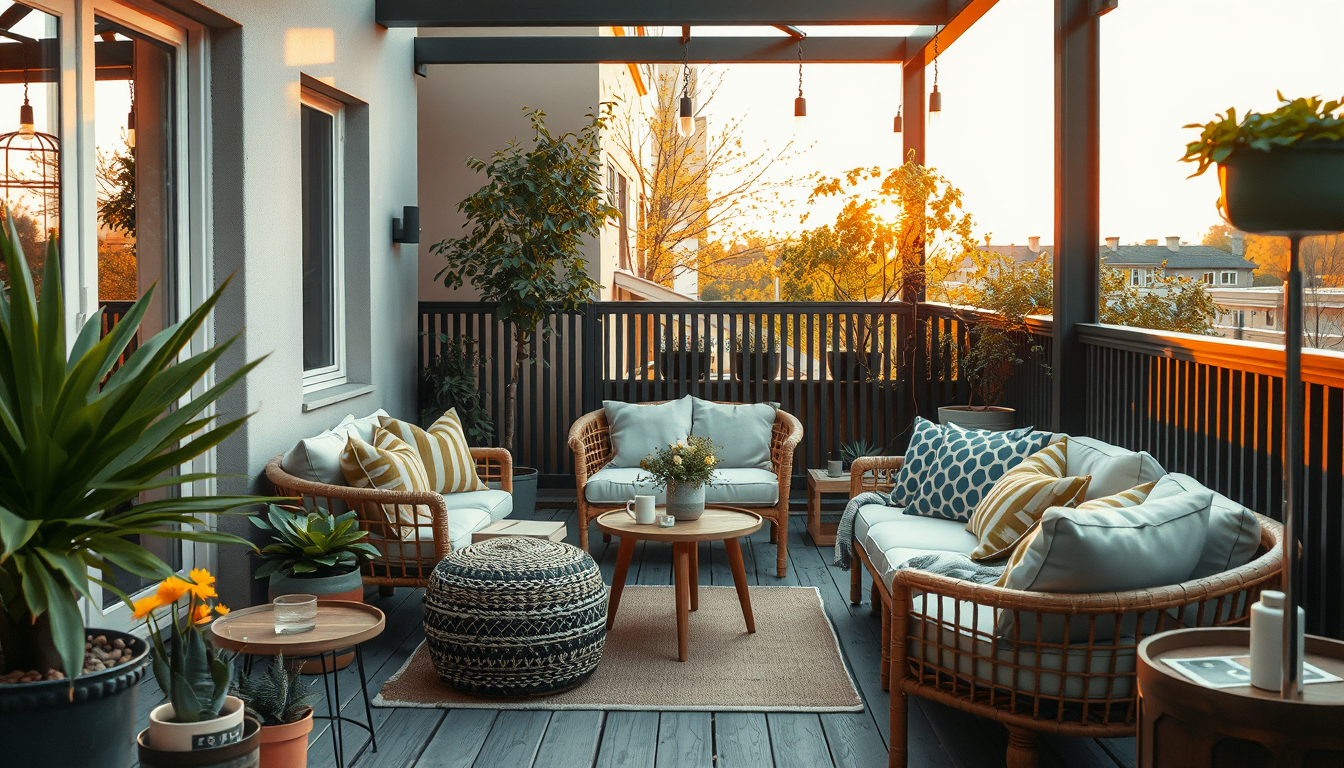
A renter balcony garden should start with three plants, two self-watering floor planters, and a CAD $150–$250 budget. This compact, removable setup suits Toronto’s approximately 6b-to-7a growing zones while leaving room to adjust for the stronger wind and faster soil drying common on elevated balconies (Natural Resources Canada; Landscape Ontario).
Last updated: April 1, 2026
Meta description: Create a renter balcony garden for Toronto conditions with removable planters, cold-climate plants, condo-rule tips, and 2026 Canadian costs.
What Toronto Balcony Rules Should Renters Check Before Gardening?
Obtain written permission from your landlord and review the condominium declaration, rules, and balcony-use policies before buying planters. Condo corporations can regulate exclusive-use common elements such as balconies, and tenants must follow applicable rules supplied by their landlord (Condominium Authority of Ontario).
Ask management about railing planters, privacy screens, trellises, hanging objects, watering, floor coverings, and permitted loads. Toronto has no universal balcony weight limit; capacity depends on the building’s structural design, so a large planter or raised bed should never be added without written confirmation.
Keep doors and required exit routes unobstructed under Ontario’s fire-safety requirements (Ontario Regulation 213/07). Toronto Fire Services also warns residents to control combustible storage and follow restrictions concerning propane cylinders on balconies (City of Toronto).
Treat the balcony as a room you can pack: every planter, light, screen, and floor tile should leave without holes, stains, or water damage.
Do ground-level renter gardens have different rules?
Toronto’s Fence Bylaw generally permits residential backyard fences up to 2 metres high, although lower limits can apply in front yards and near driveways (City of Toronto Municipal Code, Chapter 447). Renters still need their landlord’s permission before installing a fence.
A City permit is required before injuring or removing a protected private tree measuring at least 30 centimetres in diameter at 1.4 metres above ground (City of Toronto Municipal Code, Chapter 813). City-owned trees and their root zones receive separate protection (City of Toronto Urban Forestry).
Drainage must not damage neighbouring properties or create unsafe conditions (City of Toronto Municipal Code, Chapter 629). This is especially important around closely spaced Junction semis, Annex conversions, and downtown townhouse terraces.
Larger outdoor projects involve different approvals; compare them in our Toronto garden suite cost and regulations guide.
How Should a Renter Balcony Garden Handle Toronto Sun and Wind?
Shop Balcony and Patio Pieces That Fit
Toronto outdoor spaces are often tight, so look for stackable seating, slim tables, and weather-ready textiles first.
Toronto Interior Designer may earn a commission if you shop through these links at no extra cost to you.
Design around observed conditions, not compass direction alone. Record direct sunlight at 9 a.m., noon, 3 p.m., and 6 p.m. on two clear days. A neighbouring CityPlace tower, mature Annex tree, or projecting balcony can shade a nominally south-facing space for several hours.
Full-sun plants generally need at least 6 hours of direct light, while part-sun plants typically need 4–6 hours (Landscape Ontario). Wind accelerates moisture loss, and containers dry faster than in-ground beds because their smaller soil volume heats more quickly (Ontario Ministry of Agriculture, Food and Agribusiness).
We tested the layout by taping a 60-by-90-centimetre standing area on the floor before placing furniture. Preserving that clear centre made watering and moving plants easier without obstructing the door. The same circulation-first approach appears in our command-position room layout guide and small-space living ideas.
How Can You Test a Toronto Balcony Microclimate?
Place an outdoor thermometer at plant height and compare morning, afternoon, and overnight readings for 7 days. Regional climate normals are useful, but a glazed balcony, concrete wall, waterfront exposure, or corner wind tunnel can differ substantially from the nearest weather station (Environment and Climate Change Canada).
Observe the plants and potting mix alongside temperature. Repeatedly curled leaves, rocking stems, or soil drying within 24 hours suggest the need for a larger container, a more wind-tolerant plant, or an approved freestanding screen (Ontario Ministry of Agriculture, Food and Agribusiness).
Toronto tap water averages approximately 124 mg/L of hardness as calcium carbonate and is classified as moderately hard (City of Toronto). White deposits may consequently appear on dark containers and saucers. Regular wiping generally addresses the appearance without changing ordinary plant-watering practices.
What Should a Toronto Balcony Garden Cost in 2026?
A practical starter budget is CAD $150–$250 for three plants, two planters, potting mix, saucers, and a basic stand. Allow up to CAD $350 if you add self-watering containers or removable flooring.
| Removable element | 2026 planning allowance | Best use |
|---|---|---|
| 30–40 cm resin planter | CAD $15–$45 | Lightweight upper-floor planting |
| Self-watering planter | CAD $30–$65 | Sunny or windy exposure |
| 25 L container mix | CAD $9–$16 | About one medium planter |
| Freestanding plant stand | CAD $30–$90 | Height without drilling |
| Interlocking deck tiles | CAD $40–$55 per 0.81 m² | Removable surface where permitted |
| Herb or annual | CAD $4–$15 | Seasonal food or colour |
Allowances reflect listed prices from IKEA Canada, Canadian Tire, Home Depot Canada, and Lee Valley checked in April 2026; GTA availability and delivery charges vary.
Which Plants Grow Best in a Toronto Renter Balcony Garden?
Choose plants by sunlight, wind tolerance, mature size, and required soil depth. Toronto falls approximately within Canadian plant hardiness zones 6b to 7a, but roots in elevated containers have less insulation than roots in the ground (Natural Resources Canada; Landscape Ontario).
For sunny, windy balconies, start with compact sedums, chives, thyme, dwarf ornamental grasses, or annual geraniums. Bright-shade options include parsley, coleus, begonias, and heuchera; mint should remain in its own pot because it spreads aggressively (Landscape Ontario).
Native plants can provide pollen, nectar, or host habitat when matched to the site (Toronto and Region Conservation Authority). Container candidates include wild strawberry, nodding onion, butterfly milkweed, and heart-leaved aster, although their moisture and depth requirements differ (TRCA).
Find additional combinations in our Toronto outdoor design guides.
Which plants suit each balcony condition?
| Balcony condition | Practical plants | Starting container depth |
|---|---|---|
| 6+ hours of sun | Thyme, chives, sedum | 20–30 cm |
| 4–6 hours of sun | Parsley, nasturtium, alpine strawberry | 25–30 cm |
| Bright shade | Coleus, begonia, heuchera | 20–30 cm |
| Strong wind | Low sedum, chives, compact grasses | 25–35 cm |
| Pollinator planting | Nodding onion, butterfly milkweed | 30–40 cm |
Sun classifications follow Landscape Ontario guidance. Container depths are editorial starting points; confirm requirements on the nursery label.
When Should Toronto Renters Move Plants Outside?
Use current overnight forecasts rather than a fixed holiday weekend. Environment and Climate Change Canada’s 1991–2020 climate normals show differences between downtown Toronto and Pearson-area conditions, while Lake Ontario can moderate temperatures closer to the waterfront (Environment and Climate Change Canada).
Wait until overnight temperatures remain above the minimum stated on the plant label. Harden plants off over 7–10 days, beginning with 1–2 sheltered hours outdoors and gradually increasing their exposure (Ontario Ministry of Agriculture, Food and Agribusiness).
Keep a lightweight tray available for basil, tomatoes, and other frost-sensitive plants so they can return indoors during a warning. A sunny downtown balcony may feel warm in the afternoon while its containers cool rapidly overnight.
If pets use the balcony, consult our Toronto pet-space design guide and verify every plant through a veterinary toxicity resource such as the ASPCA plant database.
How Can Renters Create a Balcony Garden Without Drilling?
Use weighted floor planters, freestanding ladder shelves, approved compression-fit systems, and removable interlocking tiles. These elements add height and texture without penetrating cladding or waterproofing.
Do not fasten hardware to exterior walls, balcony ceilings, guards, or membranes without written approval from both the landlord and condominium corporation. Guards are regulated safety systems, and furniture or planters must not reduce their effective height or create a climbable arrangement (Ontario Building Code).
Position tall pots against a solid wall rather than at the balcony edge, and keep heavier containers low. Place broad, waterproof saucers under pots because wet felt pads can trap moisture against the slab.
If management permits an outdoor rug, lift it regularly to remove grit and release trapped moisture. Explore more reversible options in our decor and accent guides and Canadian buyer guides.
What Creates the Strongest Outdoor-Room Effect?
Limit the design to one planter colour, one wood or metal finish, and two main foliage shapes. A controlled palette makes an assortment of inexpensive pots appear intentional, while contrasting leaf shapes provide visual depth.
A 60-centimetre-wide folding bistro table generally occupies less usable floor area than a deep lounge chair, but confirm the dimensions with painter’s tape before ordering. Open the balcony door fully and test whether you can carry a watering can through the layout without moving furniture.
Use rechargeable table lamps instead of permanent wiring. Any outdoor electrical product should carry a recognized Canadian certification mark such as CSA, cUL, or cETL, and extension cords must be rated for outdoor use (Electrical Safety Authority). Never pinch an electrical cord in a closed balcony door.
Our Toronto trends coverage offers more ways to adapt current looks to compact GTA homes.
How Should Toronto Renters Winterize Balcony Containers?
Treat exposed planters as colder environments than Toronto’s mapped ground-level hardiness zone. Wind, freeze-thaw cycles, and limited soil volume can injure roots and crack waterlogged containers (Landscape Ontario).
Before a sustained freeze, empty annual planters, discard diseased material, clean the containers, and allow them to dry. Store terracotta in a frost-protected location because absorbed water can expand and crack the material during freezing (IKEA Canada; Home Depot Canada).
Ask the nursery whether a perennial can overwinter above ground in a container. Large frost-resistant planters offer more root insulation, but their weight must remain within building restrictions.
Inspect tender plants for insects before bringing them indoors. Heated Toronto homes can become dry in winter, so position plants away from radiators and check the soil instead of following an automatic watering schedule (Health Canada).
What Is the Best Renter Balcony Garden Setup?
The strongest starter arrangement is two self-watering floor planters, one freestanding vertical stand, and one folding seat. It creates three planting levels while remaining removable and adaptable.
Choose several small pots when winter storage, weight, or frequent moving is the priority. Consider one large planter only when property management has confirmed the permitted load and the location receives dependable light with manageable wind.
Begin with three plants and observe them for 4 weeks before expanding. Spend first on stable containers, suitable potting mix, and waterproof saucers; decorative accessories can follow once the microclimate is understood.
The ideal layout keeps the door, drain, guard, and approved exit path unobstructed. It should also allow every component to be removed without holes, adhesive residue, rust marks, or water damage.
What Seasonal Tasks Keep a Toronto Balcony Garden Healthy?
- March–April: Review lease and condo rules, measure the balcony, and confirm the approved exit route (Condominium Authority of Ontario).
- May: Monitor Toronto frost warnings and harden tender plants over 7–10 days (Environment and Climate Change Canada; Ontario Ministry of Agriculture, Food and Agribusiness).
- June–August: Check moisture daily during hot or windy periods and empty runoff saucers after watering.
- September–October: Watch overnight forecasts and bring frost-sensitive plants inside before temperatures fall below their label minimum.
- November: Empty annual pots, dry terracotta, secure lightweight furniture, and confirm what management permits outdoors.
- Year-round: Keep drains, doors, balcony guards, and required exits clear (City of Toronto; Ontario Regulation 213/07).
Frequently Asked Questions
Can a Toronto landlord prohibit plants on a balcony?
Yes. A landlord or condominium corporation can restrict balcony items through enforceable lease terms or condo rules, so obtain written approval before adding railing planters, screens, trellises, or large 30–40-centimetre containers (Condominium Authority of Ontario).
How much does a small Toronto balcony garden cost?
Budget CAD $150–$350 for three plants, containers, 25–50 litres of potting mix, saucers, and one small stand. This range reflects April 2026 listings from IKEA Canada, Canadian Tire, Home Depot Canada, and Lee Valley; GTA delivery and plant prices vary.
How many hours of sun do balcony vegetables need?
Most fruiting vegetables need at least 6 hours of direct sunlight, while leafy greens and many herbs can tolerate approximately 4–6 hours (Landscape Ontario). Measure light at four points during the day because nearby Toronto towers and trees can create shifting shade.
What plants can survive winter on a Toronto balcony?
No perennial is guaranteed to survive in an exposed balcony container, even though Toronto lies approximately within zones 6b to 7a (Natural Resources Canada). Select locally rated plants, use a frost-resistant pot at least 30–40 centimetres deep where appropriate, and confirm winter care with the nursery.
Are railing planters safe on a Toronto condo balcony?
Yes, but only when the condominium corporation approves the specific planter and mounting method. Use an inward-facing, mechanically secured model that meets its stated weight capacity; never rely on zip ties or suspend a 30-centimetre planter where falling material could endanger people below.
Can renters grow native plants in balcony containers?
Yes. Wild strawberry, nodding onion, and butterfly milkweed can grow in containers when their light and moisture needs are met; allow approximately 30–40 centimetres of soil depth for deeper-rooted choices (Toronto and Region Conservation Authority).
Sources
- Natural Resources Canada Plant Hardiness Site
- City of Toronto Municipal Code
- City of Toronto Tree Protection
- City of Toronto Drinking Water Quality Reports
- City of Toronto Fire Safety Information
- Condominium Authority of Ontario
- Ontario Fire Code, Ontario Regulation 213/07
- Ontario Building Code
- Electrical Safety Authority
- Environment and Climate Change Canada Climate Normals
- Ontario Ministry of Agriculture, Food and Agribusiness
- Toronto and Region Conservation Authority
- Landscape Ontario
- Health Canada Indoor Air Quality
- Canadian retail listings: IKEA Canada, Canadian Tire, Home Depot Canada, and Lee Valley
Toronto Interior Designer Editorial Team | Toronto-Focused Interior Design Editors The Toronto Interior Designer editorial team covers practical decorating, renovation, and small-space strategies for homeowners and renters across the GTA. Its guides emphasize Canadian products, Ontario requirements, and Toronto-specific housing conditions. (/author/toronto-interior-designer-editorial-team/)
Layer the Outdoor Room
Lighting, planters, and textiles can stretch a short summer season and make even a small balcony feel intentional.
Toronto Interior Designer may earn a commission if you shop through these links at no extra cost to you.
Frequently Asked Questions
Can a Toronto landlord prohibit balcony plants?
Yes. Lease terms or condominium rules may restrict planters, trellises, screens, and other balcony items, so obtain written approval before installation.
How much does a small Toronto balcony garden cost?
Budget CAD $150–$350 for three plants, containers, 25–50 litres of potting mix, saucers, and a small stand. Prices vary by retailer and GTA delivery location.
How much sunlight does a renter balcony garden need?
Fruiting vegetables generally need at least 6 hours of direct sun, while many herbs and leafy greens tolerate 4–6 hours. Record sunlight at four times over two clear days before choosing plants.
Toronto Interior Designer is editorially independent. Our recommendations are based on research and editorial judgment, not brand sponsorships.