
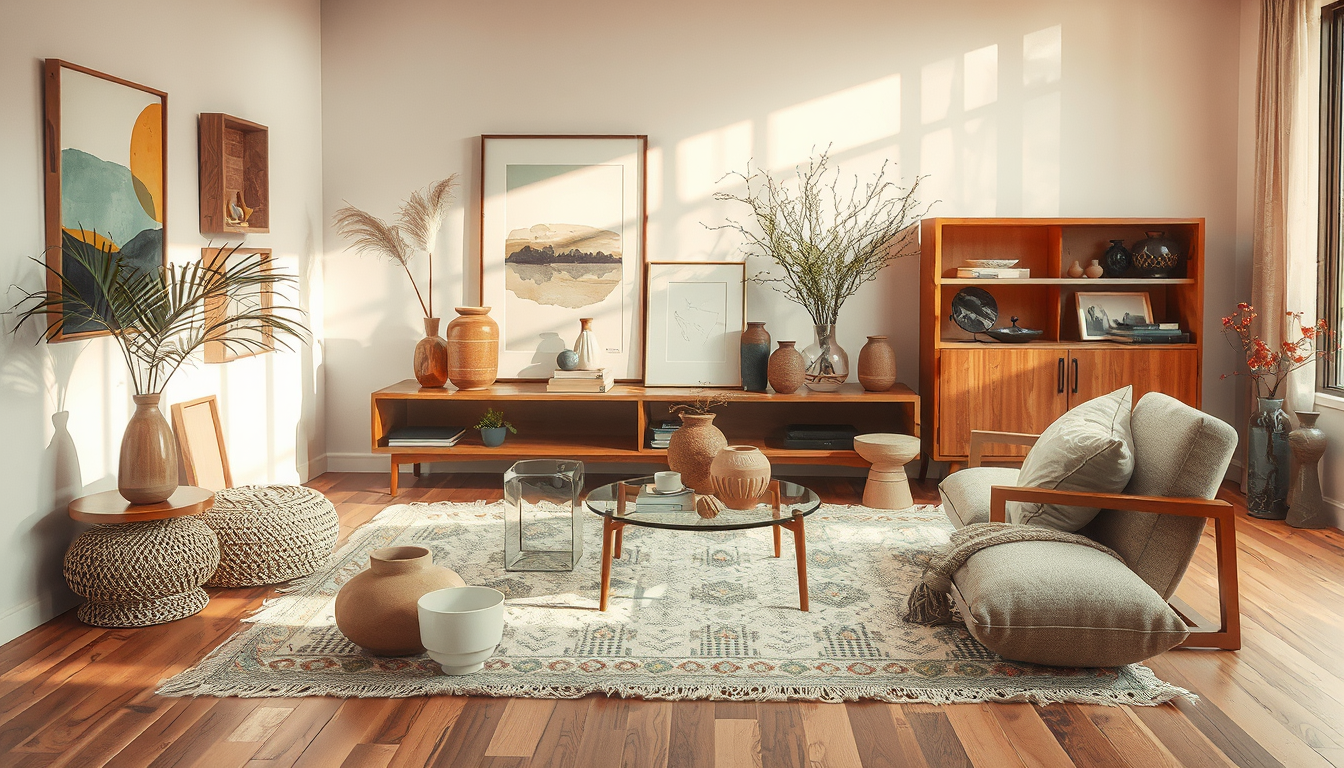
rosedale rug layering hardwood floors works best with a 9-by-12-foot low-pile wool base, a smaller 5-by-8-foot decorative rug and a 3–6 mm breathable pad. Keep winter indoor relative humidity between 30% and 50% to support occupant comfort and reduce seasonal movement in hardwood flooring (Health Canada; National Wood Flooring Association).
Last updated: April 1, 2026
Meta description: Discover seven Rosedale rug-layering ideas, with practical sizes, Canadian prices and winter protection for heritage hardwood floors.
Why Does Rug Layering Over Hardwood Floors Work in Rosedale Winters?
Layered rugs place insulating fibres and trapped air between bare feet and heat-conductive hardwood. Their thermal performance depends on the combined rug-and-underlay system rather than visible pile thickness alone (Natural Resources Canada).
Keep winter indoor relative humidity between 30% and 50% to support occupant comfort and reduce seasonal movement in hardwood flooring (Health Canada; National Wood Flooring Association).
That distinction matters in Rosedale’s older detached and semi-detached houses, where original strip flooring, tall rooms and perimeter radiators can contribute to uneven winter comfort. Toronto’s January daily average is approximately −3.5°C at the downtown weather station, based on 1991–2020 climate normals (Environment and Climate Change Canada).
A broad neutral rug also helps a smaller patterned piece look intentional instead of undersized. The layered composition suits traditional room proportions while preserving a visible border of heritage hardwood (Toronto Interior Designer Editorial Team).
For complementary finishes, see our guide to mixing wood tones in one room.
What Rug-Layering Components Should You Budget For?
Find the Finishing Pieces
Accent lighting, ceramics, mirrors, and small furniture often make the biggest difference in builder-grade rooms.
Toronto Interior Designer may earn a commission if you shop through these links at no extra cost to you.
The following Toronto planning ranges reflect Canadian retail listings and local rug-cleaning prices available during our editorial review (IKEA Canada; EQ3; CB2 Canada; Toronto-area rug-cleaning listings).
| Layering component | Practical specification | Planning price in CAD | Best use |
|---|---|---|---|
| Flatwoven base rug | 244 × 305 cm (8 × 10 ft) | $250–$700 | Compact sitting room |
| Wool or wool-blend base | 274 × 366 cm (9 × 12 ft) | $900–$2,500 | Formal living or dining room |
| Decorative top rug | 152 × 244 cm (5 × 8 ft) | $350–$1,500 | Seating group or reading area |
| Felt-and-rubber pad | 3–6 mm thick | $80–$250 | Grip and floor protection |
| Professional cleaning | 8 × 10 ft wool rug | $240–$480 | Seasonal soil and salt removal |
Fibre, construction, delivery and pickup requirements can change the final cost, so confirm current pricing before purchasing (IKEA Canada; EQ3; CB2 Canada).
How Should You Choose a Base Rug for Rosedale Hardwood Floors?
Choose a low-profile wool, wool-blend or dense flatwoven base that covers the main walking and seating area without creating a bulky perimeter. Wool fibres are naturally resilient, absorb sound and can buffer moisture vapour (Woolmark).
For an 8-by-10-foot base, Canadian retail categories run from approximately CAD $250 for entry-level natural-fibre options to more than CAD $2,000 for selected hand-tufted wool rugs (IKEA Canada; EQ3; CB2 Canada).
Budget separately for a hardwood-compatible pad instead of putting the full allowance into the visible rug. A pad can reduce slipping and abrasive movement, but its materials must be compatible with the floor finish (National Wood Flooring Association).
Use our buyer guides and décor and accents archive to compare materials before visiting a showroom.
Which Rug Specifications Matter Most?
Check fibre percentages, pile construction, backing materials and cleaning instructions before relying on marketing labels such as “plush” or “luxury” (Carpet and Rug Institute).
In preparing this guide, we compared common Canadian 8-by-10 and 9-by-12-foot listings and found that precise fibre information was more useful for specification than descriptive product names (Toronto Interior Designer Editorial Team).
A dense, low-pile wool base is a strong choice for a formal living room because it offers resilience without adding excessive height (Woolmark). A firm flatweave is often more practical in dining rooms, where chair legs move repeatedly across the surface (Carpet and Rug Institute).
Avoid loosely woven jute in locations exposed to wet boots or snowmelt because natural-fibre care requirements vary and prolonged moisture can affect rugs and finished wood (Carpet and Rug Institute; National Wood Flooring Association).
Where Can You Source Rugs in Toronto?
EQ3 operates a Toronto showroom at 222 King Street East, while CB2 is located at 651 Queen Street West (EQ3; CB2 Canada). Both stores allow shoppers to compare weave, colour and pile in person, although showroom stock can differ from the online assortment (EQ3; CB2 Canada).
Elte at 80 Ronald Avenue carries contemporary, vintage and handmade rugs for clients seeking a broader specialist selection (Elte). Bring wood, upholstery and drapery samples when visiting because colour perception changes with surrounding finishes and natural light (Benjamin Moore Canada).
Canadian winter daylight can make warm greys appear cooler and emphasize blue undertones, especially in north-facing rooms (Benjamin Moore Canada). Request return and sample policies in writing before ordering a large or custom-sized rug (Toronto Interior Designer Editorial Team).
How Can You Layer Rug Patterns Without Overwhelming a Rosedale Room?
Use one quiet rug and one expressive rug. A restrained base in heathered oatmeal, camel, charcoal or muted olive allows a Persian-style, geometric or vintage top layer to become the focal point (Toronto Interior Designer Editorial Team).
Vary the scale as well as the colour. Pair a small, intricate motif with a broad weave, or combine a linear flatweave with a softer irregular pattern (Toronto Interior Designer Editorial Team).
Repeating two colours already present in the upholstery, artwork or drapery connects the layers without requiring an exact match (Toronto Interior Designer Editorial Team).
Rosedale rooms can receive sharply different light depending on orientation, mature tree cover and window placement. North-facing rooms generally retain cooler indirect light, while south-facing rooms receive stronger warm light for longer periods (Benjamin Moore Canada).
Review rug samples in morning, afternoon and electric light before ordering (Benjamin Moore Canada).
Which Texture Combinations Are Easiest to Live With?
A low-pile wool base paired with a thinner vintage-style top rug is a forgiving combination for living rooms. It adds pattern while limiting the height change around furniture legs (Toronto Interior Designer Editorial Team).
For dining rooms, select two firm, low-profile layers so chairs can move without repeatedly catching an edge (Carpet and Rug Institute). Position the top rug away from the chair-pull zone whenever the room dimensions permit (Toronto Interior Designer Editorial Team).
Avoid stacking two deep-pile rugs beneath frequently moved furniture. The added height can reduce furniture stability, while concentrated loads can leave pronounced impressions in soft fibres (Carpet and Rug Institute).
Connect the palette to drapery through our guide to window treatments that make rooms feel finished.
What Rug Sizes Work Best Over Hardwood Floors in Rosedale Homes?
Start with the furniture plan rather than the rug pattern. An 8-by-10-foot base can anchor a compact sofa-and-chair arrangement, while larger formal rooms may need a 9-by-12-foot or 10-by-14-foot rug to connect the full seating group (Toronto Interior Designer Editorial Team).
These are planning dimensions, not Ontario Building Code requirements. Measure the room, furniture and circulation routes before ordering (Toronto Interior Designer Editorial Team).
Position the smaller rug within the base rug’s perimeter so the lower layer remains visible on all four sides. A reveal of approximately 20–45 cm usually appears deliberate, although the final dimension should respond to the proportions of both rugs (Toronto Interior Designer Editorial Team).
Keep door swings, fireplace hearths, floor registers and radiators unobstructed. Heating outlets require open airflow, while radiator clearances vary by manufacturer and model (Natural Resources Canada).
How Should Layered Rugs Fit in a Dining Room?
Size the base rug so all four chair legs remain supported when diners pull their chairs away from the table. Measure the table at its full extension and add the occupied chair depth before selecting a rug (Toronto Interior Designer Editorial Team).
Avoid placing a top-rug edge directly beneath moving chair legs because repeated catching can shift the layer and create a trip hazard (Carpet and Rug Institute).
A firm, low-profile base and thin decorative top layer generally provide better chair movement than two plush rugs (Carpet and Rug Institute). Use a hardwood-compatible pad beneath the base and confirm that the complete assembly remains stable before regular use (National Wood Flooring Association).
If built-in storage affects the layout, compare flexible and permanent options in our guide to custom millwork versus store-bought storage.
How Should Layered Rugs Fit in a Bedroom?
Place the broad base perpendicular to the bed so it extends into the main standing areas on both sides. A smaller patterned layer can define the exposed foot of the bed or an adjacent seating area (Toronto Interior Designer Editorial Team).
Before purchasing, measure closet doors, ensuite doors and the bedroom entry at their lowest clearance point. A rug-and-pad assembly should not interfere with any door swing or accessible circulation route (Toronto Interior Designer Editorial Team).
In a compact room, use one large low-pile rug and a small decorative bedside layer instead of forcing two oversized rugs beneath every furniture piece (Toronto Interior Designer Editorial Team).
Explore more furniture arrangements in our living-spaces guides and Toronto design trends.
How Can You Protect Rosedale Hardwood From Moisture, Salt and Rug Damage?
Use a breathable, non-staining pad identified by its manufacturer as suitable for finished hardwood. Felt-and-natural-rubber pads can limit slipping and abrasive movement, but pad chemistry must remain compatible with the floor finish (National Wood Flooring Association).
Toronto uses road salt in its winter-maintenance program, and salt-laden snowmelt can be tracked onto interior flooring (City of Toronto). Place a water-trapping mat and waterproof boot tray ahead of decorative rugs, empty wet trays promptly and dry damp textiles away from hardwood (City of Toronto; National Wood Flooring Association).
Maintain indoor relative humidity between 30% and 50%, Health Canada’s recommended residential range (Health Canada). Follow a narrower flooring-manufacturer range when required by the product warranty (National Wood Flooring Association).
Check humidity with a digital hygrometer that displays a numeric percentage rather than relying on how dry the room feels (Health Canada).
How Should Entry Rugs Handle Toronto Snowmelt?
Use a washable runner with a waterproof boot tray instead of placing a rubber-backed decorative rug directly on heritage hardwood. Lift and dry the runner whenever moisture reaches its underside (National Wood Flooring Association).
Vacuum dry, crystallized salt before it is ground into the finish, then clean the floor according to the flooring manufacturer’s instructions (City of Toronto; National Wood Flooring Association).
Leave a clear transition between the entrance system and the decorative layered rugs. This separation reduces the likelihood of wet footwear reaching wool, vintage textiles or exposed hardwood (Toronto Interior Designer Editorial Team).
In a Toronto condominium, confirm that any permanent vestibule alteration complies with the condominium corporation’s declaration, bylaws and rules; freestanding rugs generally remain an interior furnishing rather than a building alteration (Condominium Authority of Ontario).
When Can Rugs Go Back on Refinished Hardwood?
Wait until the floor-finish manufacturer permits rugs and pads to be installed. Bona Traffic HD lists approximately three days to full cure under specified conditions, but environmental conditions and other water- or oil-based products can require different timelines (Bona).
Do not treat “dry to the touch” as equivalent to fully cured. Covering a finish prematurely can interfere with curing or leave visible differences in sheen (Bona; National Wood Flooring Association).
Record the exact finish product, application date and contractor instructions before moving furniture back into the room. When the contractor’s written direction is more conservative than a general product summary, follow the project-specific direction (Toronto Interior Designer Editorial Team).
Do Layered Rugs Require a Toronto Permit?
Freestanding area rugs normally do not require a Toronto building permit because they do not alter the building’s structure, plumbing or mechanical systems (City of Toronto).
A broader renovation involving structural work, plumbing, HVAC changes or certain heritage-property alterations may require permits or approvals even when rugs are part of the final decorating plan (City of Toronto).
Rosedale contains properties that may be individually designated or included within a heritage conservation context, so owners should verify municipal requirements before altering permanent architectural features (City of Toronto).
Condominium owners should also review corporation rules before changing flooring assemblies because acoustic requirements and renovation procedures can apply to hard-surface floor work (Condominium Authority of Ontario).
What Is the Best Overall Rug-Layering Plan?
The best all-around Rosedale arrangement is a 9-by-12-foot low-pile wool or wool-blend base, a smaller patterned rug and a 3–6 mm hardwood-compatible felt-and-rubber pad (Toronto Interior Designer Editorial Team).
Choose a flatwoven synthetic or washable base near busy entrances, pets or frequent snowmelt because simpler cleaning may outweigh wool’s tactile benefits in those locations (Carpet and Rug Institute).
The arrangement should warm the occupied area, preserve a visible hardwood border and keep every register, radiator, hearth and doorway clear (Natural Resources Canada; Toronto Interior Designer Editorial Team).
With measured proportions, controlled pattern and winter moisture management, layered rugs can support comfort without concealing the heritage character that makes Rosedale interiors distinctive (Toronto Interior Designer Editorial Team).
Styling Checklist
- Measure the furniture layout, circulation routes and every door swing before choosing an 8-by-10 or 9-by-12-foot base (Toronto Interior Designer Editorial Team).
- Select a low-profile wool, wool-blend or dense flatwoven base (Woolmark).
- Combine one quiet pattern with one expressive pattern (Toronto Interior Designer Editorial Team).
- Check samples in morning, afternoon and electric light (Benjamin Moore Canada).
- Specify a 3–6 mm pad approved for finished hardwood (National Wood Flooring Association).
- Keep registers, radiators, hearths and pathways clear (Natural Resources Canada).
- Place a water-trapping mat and boot tray ahead of decorative rugs (City of Toronto).
- Maintain 30%–50% indoor relative humidity (Health Canada).
- Confirm that the floor finish has fully cured before installing rugs (Bona).
- Obtain three cleaning quotes for valuable wool or vintage pieces (Toronto Interior Designer Editorial Team).
Sources
- Health Canada, Reduce Humidity and Moisture
- Environment and Climate Change Canada, Canadian Climate Normals
- Natural Resources Canada, Keeping the Heat In
- City of Toronto, Salt Management Plan
- City of Toronto, Building Permit Guide
- Condominium Authority of Ontario
- National Wood Flooring Association, Wood Floor Care
- Woolmark, Benefits of Wool
- Carpet and Rug Institute, Carpet Care
- Bona, Traffic HD Technical Information
- Benjamin Moore Canada, Understanding Natural Light
- IKEA Canada, Rugs
- EQ3, Rugs and Store Locations
- CB2 Canada, Rugs and Toronto Store
- Elte, Toronto Showroom
Frequently Asked Questions
Are layered rugs warmer than one rug on hardwood?
Yes, two rugs and a pad place more insulating material between bare feet and hardwood than one thin rug. Use a low-profile combination and maintain indoor relative humidity between 30% and 50% for winter comfort and wood-floor care (Natural Resources Canada; Health Canada).
What rug sizes work in a Rosedale living room?
An 8-by-10-foot base generally suits a compact seating group, while 9-by-12-foot or 10-by-14-foot rugs work better in larger formal rooms. Measure the furniture and circulation routes because these sizes are planning guidelines, not Ontario Building Code requirements (Toronto Interior Designer Editorial Team).
Can a rug be placed beside a radiator?
Yes, provided the rug does not touch the radiator or obstruct airflow, valves or manufacturer-required clearances. Keep at least the model-specific clearance stated in the radiator manual and leave all heating outlets fully open (Natural Resources Canada).
How long should you wait before covering refinished hardwood?
Wait for the floor-finish manufacturer’s full curing period before installing any rug or pad. Bona Traffic HD lists approximately three days under specified conditions, but other products may require a longer interval (Bona).
What humidity is safest for hardwood and wool rugs?
Maintain indoor relative humidity between 30% and 50%, which is Health Canada’s recommended residential range. Check it with a digital hygrometer and follow any narrower range required by the flooring warranty (Health Canada; National Wood Flooring Association).
How much should layered rugs cost in Toronto?
Budget approximately CAD $680–$4,950 for an 8-by-10 or 9-by-12-foot base, a decorative top rug and a compatible pad. The range reflects Canadian listings from IKEA, EQ3 and CB2, while handmade construction, custom sizing and delivery can increase the total (IKEA Canada; EQ3; CB2 Canada).
Toronto Interior Designer Editorial Team | Design Research Editors The Toronto Interior Designer editorial team researches residential materials, sourcing and practical design decisions for homeowners, condominium owners and renters across the GTA. Its coverage emphasizes Toronto housing conditions, Canadian product availability and evidence-based maintenance advice. (/author/toronto-interior-designer-editorial-team/)
Source Warm, Livable Staples
Natural textures and simple silhouettes are easier to layer when you start with timeless foundational pieces.
Toronto Interior Designer may earn a commission if you shop through these links at no extra cost to you.
Frequently Asked Questions
Are layered rugs warmer than one rug on hardwood?
Yes. Two low-profile rugs and a compatible pad provide more insulation than one thin rug while helping protect hardwood from wear.
What rug sizes work in a Rosedale living room?
Use an 8-by-10-foot base for a compact seating group or a 9-by-12-foot base for a larger formal room. Measure furniture, door swings and circulation routes before ordering.
How much does a layered rug arrangement cost in Toronto?
Budget approximately CAD $680–$4,950 for a base rug, decorative top rug and hardwood-compatible pad. Custom sizing, handmade construction and delivery may increase the total.
Toronto Interior Designer is editorially independent. Our recommendations are based on research and editorial judgment, not brand sponsorships.