
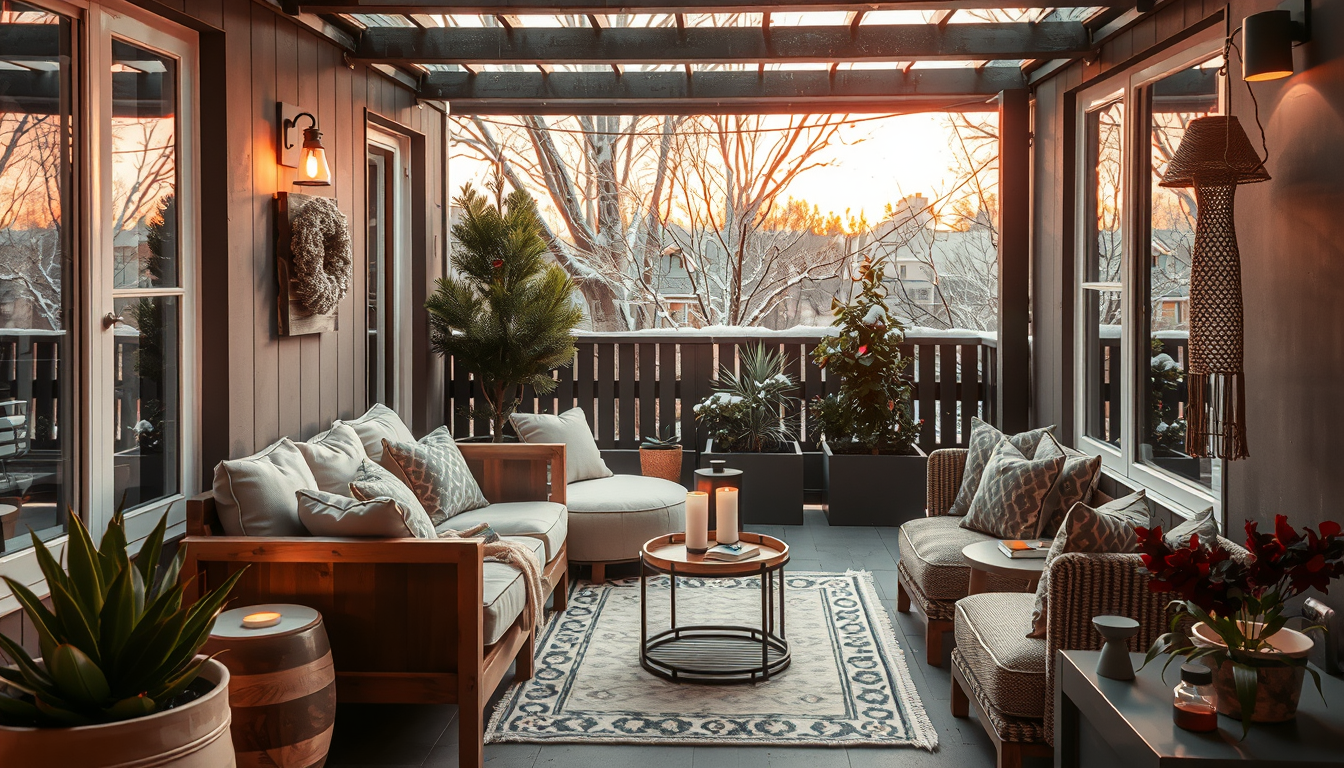
Most small backyard ideas Canada homeowners find online are written for climates where the patio season never ends. That advice falls apart when you factor in Toronto’s freeze-thaw cycles, 150 frost-free days, and rear yards that often measure under 400 square feet. A compact Canadian backyard can function like an extra room — but only if you design it for Zone 5–6 winters, municipal bylaws, and the short window between last frost and first snow. This guide covers the material choices, layout strategies, and three-season structures that actually work north of the border, so you get maximum use from minimum space.
Why Canadian Backyards Need a Completely Different Design Playbook
Design magazines love to showcase sprawling California patios with teak furniture and tropical plantings. That playbook doesn’t survive a single Toronto winter. Softwood decking warps under snow load. Terracotta planters crack when moisture freezes inside them. And any structure you build has to meet Toronto’s zoning bylaw 569-2013, which restricts accessory structures in rear yards to 10 square metres without a permit and caps fence heights at two metres .
The Canadian design playbook starts with material durability. Composite decking and porcelain pavers have overtaken natural wood for new residential installations across Canada because they resist freeze-thaw damage and require almost no seasonal maintenance . Galvanized steel or corten planters replace fragile ceramics. Hardware-cloth trellises handle ice buildup better than flimsy wooden lattice.
At Toronto Interior Designer, we approach every outdoor project with what we call the “150-day lens”: if a material, plant, or structure can’t earn its keep across roughly five months of active use and then survive seven months of winter exposure, it doesn’t belong in the plan. That constraint sharpens the design — fewer elements, each one working harder.
Zone-by-Zone Layout Strategies for Small Backyards Under 500 Square Feet
Shop Balcony and Patio Pieces That Fit
Toronto outdoor spaces are often tight, so look for stackable seating, slim tables, and weather-ready textiles first.
Toronto Interior Designer may earn a commission if you shop through these links at no extra cost to you.
In neighbourhoods like Leslieville, the Junction, and Riverdale, the average detached-home lot runs 25 to 30 feet wide, leaving rear yards well under 400 square feet. The key to making these spaces feel generous is dividing them into distinct functional zones rather than treating the yard as one undifferentiated rectangle.
Here is a practical zone breakdown for a typical 20 × 18-foot Toronto backyard:
| Zone | Purpose | Recommended Size | Key Materials | Budget Range (CAD) |
|---|---|---|---|---|
| Dining deck | Meals and entertaining | 10 × 10 ft | Composite decking, aluminum-frame table | $3,000–$6,000 |
| Green buffer | Privacy and planting | 2 × 18 ft perimeter strip | Cedar raised beds, cold-hardy perennials | $800–$2,000 |
| Lounge corner | Reading, morning coffee | 6 × 8 ft | Porcelain pavers, weather-resistant seating | $1,500–$3,500 |
| Vertical garden wall | Herbs, greens, seasonal colour | 4 × 6 ft mounted panel | Modular pocket planters, drip irrigation | $400–$1,200 |
| Utility strip | Storage, bikes, bins | 2 × 8 ft | Slim shed or bench-with-storage | $500–$1,500 |
Use changes in ground material — pavers to decking to gravel — to signal zone transitions without walls or dividers that eat up floor area. A single step up to the dining deck creates a visual boundary while keeping sightlines open. If you’re applying similar space-saving thinking indoors, the principle is identical: define areas by function, not by partitions.
A 350-square-foot backyard designed with clear zones will feel twice as large as a 500-square-foot yard treated as one open lawn.
Cold-Hardy Plants and Vertical Gardens for Canadian Backyards
Plant selection is where most generic backyard advice fails Canadian homeowners. That Instagram-worthy fiddle-leaf fig will be dead by November. Build your planting plan around Zone 5–6 performers that deliver visual impact from May through October:
- Karl Foerster feather reed grass — upright, narrow, and striking from June through snowfall; perfect for tight perimeter beds.
- Annabelle hydrangeas — reliable bloomers that tolerate the partial shade common in narrow urban yards.
- Boxwood hedging — evergreen structure year-round, works as a low privacy screen under the two-metre fence limit.
- Clematis on hardware-cloth trellis — vertical colour that covers a six-foot fence face without claiming ground space.
- Alpine strawberries and cold-hardy herbs (thyme, chives, oregano) — ideal for vertical pocket planters and edible enough to justify the real estate.
Vertical gardening systems multiply your growing area by up to three times in the same footprint, which matters enormously when ground-level sun exposure is limited by neighbouring houses and fences . Mount modular planters on a south- or west-facing fence, add a simple drip-irrigation line, and you gain a full herb and salad garden without sacrificing a single square foot of patio.
For more ideas on how outdoor design connects to indoor living flow, browse our outdoor design guides.
Three-Season Structures: Pergolas, Screens, and Heaters for Small Backyards in Canada
Toronto’s outdoor season runs roughly mid-May to mid-October — about 150 to 160 frost-free days according to Environment Canada data . Smart structure choices can push that window by four to six weeks on each end.
Enclosed or louvred pergolas are the single highest-impact addition for a small Canadian backyard. A louvred-roof model lets you control sun and rain, and when you add retractable screens on two or three sides, you create a sheltered zone usable from early April through late November. Keep the footprint under 10 square metres to avoid a building permit under Toronto’s zoning rules.
Infrared patio heaters outperform propane tower heaters in compact spaces because they warm people and surfaces directly rather than heating air that blows away. Wall-mounted electric infrared units run roughly $300–$700 each and can extend evening use well into October.
Windbreak plantings offer a budget-friendly alternative to built screens. A row of columnar cedars or dense ornamental grass along the prevailing wind side blocks gusts without the cost or permit implications of a solid structure. Toronto Interior Designer recommends this for virtually every small-yard project — it costs under $500 and extends comfort by weeks.
If you’re also planning deck upgrades, coordinate the deck material and pergola footings in a single project to save on labour and ensure a cohesive look.
Toronto Bylaw Basics Every Small-Backyard Owner Should Know
Before you build anything, know the rules. Toronto’s zoning framework catches many homeowners off guard:
- Accessory structures (pergolas, sheds, gazebos) must stay under 10 square metres to avoid a building permit. Larger structures trigger a full permit application.
- Rear-yard fence height is capped at two metres. Privacy screens attached to a pergola may be classified as fencing — confirm with your local building office.
- Lot coverage maximums vary by zone but typically cap total built coverage (house plus all structures) at 33–35% of lot area. On a narrow lot, a large deck plus a pergola can push you over the limit.
- Ravine and heritage overlays apply in parts of Rosedale, Moore Park, and the Don Valley corridor. These overlays can restrict tree removal, grading changes, and even planter placement near the ravine edge.
- Drainage requirements — Toronto requires that stormwater be managed on-site. Permeable pavers or gravel zones count toward compliance; a fully paved yard likely does not.
Always pull a zoning summary for your specific property through the City of Toronto’s online portal before committing to a design .
What to Do Next
Small backyard ideas Canada homeowners can actually execute come down to honest assessment and smart sequencing. Start here:
- Measure your yard and sketch it on grid paper at one-inch-per-foot scale. Mark sun patterns at 10 a.m., 1 p.m., and 4 p.m.
- Check your zoning — pull your lot’s coverage and setback data from the City of Toronto portal before designing any structure.
- Pick your zones — choose three from the table above that match how you actually want to use the space.
- Prioritize materials that survive winter — composite decking, porcelain pavers, galvanized planters. Avoid anything that needs to come indoors every October.
- Add vertical growing area before expanding ground-level beds. You’ll gain more usable planting space per dollar.
- Plan your three-season extension — even a simple wall-mounted infrared heater and a windbreak planting row can add six weeks to your season.
At Toronto Interior Designer, we believe the best small outdoor spaces feel inevitable — every element justified, nothing wasted. With the right materials, a clear zone plan, and respect for the climate you actually live in, a 350-square-foot Toronto backyard can outperform a space twice its size.
Layer the Outdoor Room
Lighting, planters, and textiles can stretch a short summer season and make even a small balcony feel intentional.
Toronto Interior Designer may earn a commission if you shop through these links at no extra cost to you.
Sources
- City of Toronto Zoning Bylaw 569-2013 — https://www.toronto.ca/city-government/planning-development/zoning-by-law-preliminary-zoning-reviews/zoning-by-law-569-2013-2/
- Landscape Ontario — https://landscapeontario.com
- Environment Canada — https://climate.weather.gc.ca
Frequently Asked Questions
What are the best materials for a small backyard in Canada?
Composite decking and porcelain pavers are the top choices for Canadian backyards because they resist freeze-thaw damage and require minimal seasonal maintenance. Pair them with galvanized steel or corten planters instead of ceramic pots that crack in winter.
Do I need a permit to build a pergola in my Toronto backyard?
In Toronto, accessory structures like pergolas must stay under 10 square metres to avoid a building permit under Zoning Bylaw 569-2013. Larger structures require a full permit application, so measure carefully before you build.
How can I extend the outdoor season in a small Canadian backyard?
Wall-mounted infrared heaters, louvred pergolas with retractable screens, and windbreak plantings using columnar cedars can extend your usable season by four to six weeks on each end, pushing outdoor comfort from early April through late November.