
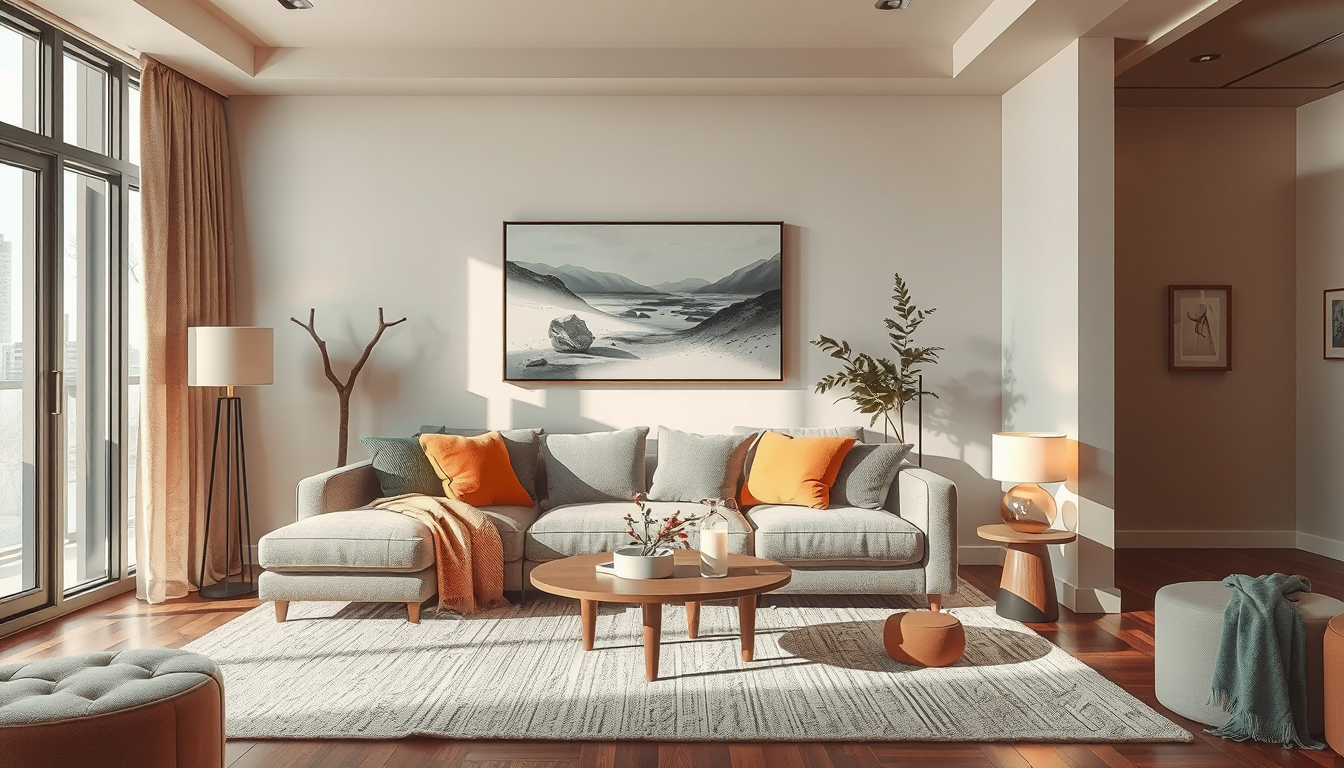
A small space living rental works best with measured furniture, closed storage and reversible upgrades—especially in the GTA, where the average new condominium sold in Q1 2024 measured just 658 square feet (Urbanation). Start with one multifunctional anchor piece, preserve a clear walking route and confirm alteration rules before drilling or painting.
This guide addresses compact Toronto rentals with narrow entrances, limited daylight and little seasonal storage. The recommendations prioritize movable furniture and lease-safe improvements over permanent construction. Obtain written permission before making alterations and review applicable condominium rules (CMHC; Condominium Authority of Ontario).
Last updated: April 1, 2026 Meta description: Plan a small space living rental in Toronto with reversible storage, flexible furniture, condo rules, local costs and a practical room checklist.
How Do You Plan a Small Space Living Rental?
Begin by measuring the room, entrances and circulation paths before shopping. Record wall-to-wall dimensions, ceiling height, baseboards, radiators, vents, outlets and every door swing. Measure the narrowest elevator, corridor and suite doorway as well; furniture must fit the entire delivery route.
In our layout process, we tested proposed furniture footprints with painter’s tape and lived with each arrangement for 24 hours. This simple trial exposed blocked doors, insufficient chair clearance and awkward walking routes that were not obvious on the floor plan.
Preserving circulation usually matters more than filling every wall in compact condos, including units around CityPlace. Aim for an approximately 900-millimetre everyday route where the suite permits; treat this as a planning target, not a universal legal requirement. Accessible layouts may require more space: CSA B651:23 specifies a 1,500-millimetre turning diameter for many wheeled-mobility manoeuvres (CSA Group).
What should you measure before buying furniture?
Create a dimensioned sketch that includes windows, fixed cabinetry, heating equipment and unusual wall projections. Note where dining chairs, drawers, cabinet doors and sleeper mechanisms extend when in use.
Measure vertically as well as horizontally. A bookcase may fit between two walls but conflict with a sprinkler, bulkhead or thermostat. Toronto condominium residents should also check elevator dimensions, booking requirements and permitted moving hours before scheduling delivery (Condominium Authority of Ontario).
Photograph each room before installation. These images document pre-existing conditions and provide a reference when restoring the rental at move-out.
What should you budget for a reversible refresh?
Use the following early-2026 amounts as planning allowances rather than fixed quotes. Taxes, delivery, assembly and building access requirements can change the total (IKEA Canada; EQ3; Canadian Tire; HomeStars Canada 2026).
| Reversible improvement | Typical 2026 budget (CAD) | Toronto rental context |
|---|---|---|
| Painter’s tape and measuring kit | $15–$40 | Tests furniture footprints before delivery |
| Slim rolling utility cart | $40–$100 | Adds kitchen, bath or work-area storage |
| Storage ottoman or bench | $150–$500 | Holds boots and winter accessories |
| Freestanding room divider | $150–$600 | Defines a sleeping zone without construction |
| Modular open shelving | $130–$450 | Creates movable vertical storage |
| Handyman installation visit | $150–$350 | Varies by scope and minimum callout |
Retail allowances reflect Canadian listings reviewed in April 2026 (IKEA Canada; EQ3; Canadian Tire). The labour range follows Toronto-area handyman cost guidance; request three written quotes for installation work (HomeStars Canada 2026).
A compact rental feels larger when circulation, storage and daily routines are resolved before decorative pieces are added.
Which Furniture Works Best in a Small Space Living Rental?
Source Scaled-Right Living Room Pieces
Start with apartment-scale sofas, nesting tables, and layered lighting that fit Toronto floor plans without overwhelming them.
Toronto Interior Designer may earn a commission if you shop through these links at no extra cost to you.
Choose furniture that solves at least two recurring needs without becoming difficult to operate. A storage bed can reduce dresser space, a drop-leaf table can support dining and desk work, and an ottoman can provide seating, a tabletop and concealed storage.
Check every piece in both its closed and fully extended positions. A 900-millimetre table may fit against a wall but block circulation once its leaves and chairs are open. A sofa bed needs enough clearance for the mattress and an unobstructed route to the bathroom.
Furniture raised on legs reveals more continuous flooring, which can make a room feel visually lighter. Use closed storage for everyday clutter, then reserve one open shelf for books and meaningful objects. Compare additional options in our furniture and home buyer guides.
Which pieces earn their floor space?
Prioritize furniture used every day. A lift-up storage bed can hold spare linens and luggage, but the platform may be impractical for someone who cannot raise it comfortably. A wheeled cart is easier to adapt because it can move among the kitchen, bathroom and work zone.
Do not buy undersized furniture simply because the room is small. One appropriately scaled sofa often creates a calmer composition than several occasional chairs. Likewise, a 90-centimetre console may support a laptop setup without consuming the space required by a 120- to 140-centimetre desk.
Visit a showroom such as CB2 on Queen Street West or IKEA Toronto Downtown to test extension leaves, drawers and sleeper mechanisms before purchasing (CB2 Canada; IKEA Canada). For work-area layouts, consult our Toronto home-office guides.
How Can Renters Use Vertical Space Without Losing a Deposit?
Start with freestanding bookcases, tension systems and over-door organizers. Tall or heavy furniture must still be restrained when its manufacturer requires anchoring, particularly in homes with children (Health Canada).
Do not use an adhesive strip to support a shelf, television or heavy mirror unless the specific product is approved for that purpose. Command products have individual load, surface-preparation and installation requirements; textured walls, fresh paint and humid rooms may be unsuitable (3M Canada).
Before drilling, identify whether the wall is drywall, concrete or masonry and follow the fastener manufacturer’s instructions. Obtain written landlord approval before mounting fixtures or making alterations (CMHC). Painting and movable furnishings ordinarily do not require a Toronto building permit, but structural changes and work affecting building systems may require one (City of Toronto).
What can Toronto condominium rules restrict?
Condominium declarations, bylaws and rules can govern both units and common elements (Ontario Condominium Act; Condominium Authority of Ontario). Building-specific restrictions may address outward-facing window coverings, elevator bookings, construction hours, bicycle storage and balcony contents.
Flooring, plumbing and other renovation work may require board approval, acoustic underlay or compliance with wet-over-dry restrictions (Condominium Authority of Ontario). Shared hallways and exit routes must remain unobstructed (Ontario Fire Code).
Ask property management for the current move-in and renovation package even when the project seems minor. A freestanding screen is easier to reverse than a ceiling track, while an in-suite bicycle stand may be preferable when balconies and corridors are restricted. For television placement, our media-wall planning guide distinguishes movable cable-management solutions from permanent construction.
How Do You Create Functional Zones in a Small Rental?
Define zones with rugs, lighting and furniture orientation instead of new walls. A sofa placed perpendicular to a wall can mark the living area, while a washable runner identifies a narrow entrance. Repeating colours and materials helps separate functions without making the apartment feel fragmented.
Use three lighting layers: ambient light for general visibility, task light for reading or work, and a smaller accent source for evening depth. Plug-in fixtures are usually easier to relocate than hardwired ones. Electrical products used in Ontario should display a recognized Canadian certification mark (Electrical Safety Authority).
A divider must not block the only window, ventilation outlet or exit route. In a dim, north-facing Junction apartment, choose a low divider that shares daylight. In a glass-heavy CityPlace condo, curtains can reduce glare, although building rules may prescribe the exterior-facing colour (Condominium Authority of Ontario).
How can the rental show personality without feeling crowded?
Repeat a limited palette instead of removing every decorative object. One warm wood tone, one textile colour and one dark metal accent can connect the entrance, living area and sleeping zone. Our decor and accent guides provide more renter-friendly combinations.
Large artwork can make a clearer focal point than numerous small frames. Select a hanging system approved for the wall surface and artwork weight, following the manufacturer’s load instructions (3M Canada). Valuable or fragile pieces may need professionally installed hardware and written landlord approval (CMHC).
Keep at least one surface intentionally empty. A clear tabletop can receive groceries, parcels or a laptop without forcing daily items onto the floor.
How Should Toronto Renters Store Seasonal Gear in a Small Space?
Place closed storage near the entrance whenever circulation permits. Toronto’s seasonal weather makes space for insulated coats, wet boots, umbrellas and summer equipment useful within the same home. A shallow shoe cabinet, washable boot tray and storage bench can contain these items without projecting far into the walking route.
Store luggage and off-season textiles under the bed or on the highest safely reachable shelf. Place soft goods in labelled, zippered bags rather than overfilling rigid bins. Keep heavy objects below shoulder height and observe every shelf’s published load limit (Health Canada; manufacturer specifications).
Bicycle storage requires a building-specific plan because condominium rules can regulate units, balconies and common elements (Condominium Authority of Ontario). Never leave a bicycle in a shared hallway or exit route (Ontario Fire Code).
How should accessibility affect storage decisions?
Protect clear floor area before adding another cabinet. A tall, shallow unit may consume less usable floor space than a deep credenza, but it must remain stable and comply with its anchoring instructions (Health Canada).
For a resident using a wheelchair or mobility device, test turning and transfer areas with the relevant equipment. CSA B651:23 uses a 1,500-millimetre turning diameter for many wheeled-mobility manoeuvres, although individual needs and building conditions vary (CSA Group). Our wheelchair turning-radius guide explains how to incorporate that clearance into room planning.
What Is the Best Small-Space Strategy for Toronto Renters?
The best strategy is a measured plan built around closed entry storage, one multifunctional anchor piece and movable zone dividers. This combination addresses daily clutter while remaining adaptable to lease terms, condominium rules and a future move.
Permanent built-ins can work during a long-term tenancy, but they require written approval and may create restoration obligations (CMHC; Ontario Residential Tenancies Act). Freestanding storage, plug-in lighting and flexible furniture generally involve fewer alterations.
Explore more arrangements in Toronto Interior Designer’s living-space planning library. Renters preparing for humid Toronto summers can also review these portable air-conditioner fixes for Toronto apartments.
Room refresh checklist
- Measure walls, doors, elevators, outlets, vents and door swings.
- Mark major furniture footprints with painter’s tape for 24 hours.
- Obtain written landlord permission for alterations (CMHC).
- Request current condominium rules and renovation requirements.
- Choose one bed, table or ottoman with concealed storage.
- Preserve a clear route to every occupied area and exit.
- Follow manufacturer load limits for shelves, hooks and adhesives.
- Keep bicycles, shoes and furniture out of shared corridors.
- Check electrical products for a recognized Canadian certification mark (Electrical Safety Authority).
- Photograph the rental before installation and after removal.
What Should Toronto Renters Know Before a Small-Space Refresh?
How much should a renter budget for a small-space refresh?
Budget approximately $500–$1,500 CAD for measuring supplies, entry storage and one multifunctional furniture piece, based on Canadian retail listings reviewed in April 2026 (IKEA Canada; EQ3; Canadian Tire). Delivery, assembly or a Toronto handyman visit may add $150–$350 (HomeStars Canada 2026).
Can a Toronto renter paint or drill into a wall?
Yes, but obtain written landlord permission before painting, drilling or mounting a heavy fixture (CMHC). Tenants can be responsible for undue damage under Ontario’s Residential Tenancies Act, while structural or building-system work may also require a City of Toronto permit (Ontario Residential Tenancies Act; City of Toronto).
What size is a typical new GTA condominium?
The average new GTA condominium sold in Q1 2024 was 658 square feet (Urbanation). Rental sizes vary considerably, so measure the actual suite, elevator and doorways instead of relying only on the advertised floor area.
Can a condo prohibit balcony storage or hallway furniture?
Yes, condominium declarations, bylaws and rules can regulate balconies, bicycles, window coverings and common elements (Ontario Condominium Act; Condominium Authority of Ontario). Hallway furniture can also obstruct an exit route, which must remain clear under Ontario’s Fire Code.
What indoor humidity is appropriate for a Toronto apartment?
Aim for 30%–50% relative humidity in the home (Health Canada). During cold weather, lower the humidity if condensation appears on windows and use a digital hygrometer to verify the level.
How much clearance should a furniture plan preserve?
Preserve approximately 900 millimetres along the main everyday route where the suite allows; this is a practical planning target, not a universal legal minimum. Accessible planning may require a 1,500-millimetre turning diameter for many wheeled-mobility manoeuvres (CSA Group, CSA B651:23).
Sources
- Urbanation, Q1 2024 GTA Condominium Market Survey.
- Canada Mortgage and Housing Corporation, renter guidance on alterations and landlord permission.
- Ontario, Residential Tenancies Act, 2006 and standard lease guidance.
- Condominium Authority of Ontario, guidance on declarations, bylaws, rules and renovations.
- City of Toronto, When Is a Building Permit Required?
- Ontario Fire Code, means-of-egress requirements.
- CSA Group, CSA B651:23 Accessible Design for the Built Environment.
- Electrical Safety Authority, recognized Canadian electrical certification marks.
- Health Canada, indoor humidity and furniture tip-over guidance.
- HomeStars Canada, 2026 handyman cost guidance.
- IKEA Canada, EQ3, CB2 Canada, Canadian Tire and 3M Canada product information, reviewed April 2026.
Toronto Interior Designer Editorial Team | Toronto-Focused Interior Design Researchers The editorial team researches rental-friendly interiors, condominium constraints and practical product options for Toronto and GTA homes. Its coverage emphasizes measurable planning, Canadian standards and reversible solutions for urban spaces. (/author/toronto-interior-designer-editorial-team/)
Finish the Room With Texture
Layer in rugs, side tables, and decor accents that warm up condo living rooms without adding clutter.
Toronto Interior Designer may earn a commission if you shop through these links at no extra cost to you.
Frequently Asked Questions
How much should a renter budget for a small-space refresh?
Budget $500–$1,500 CAD for storage, measuring supplies and one multifunctional furniture piece. Delivery, assembly or a Toronto handyman may add $150–$350.
Can a Toronto renter paint or drill into a wall?
Get written landlord permission before painting, drilling or mounting heavy fixtures. Movable furniture and freestanding storage are usually safer reversible options.
How much clearance should a small rental preserve?
Preserve about 900 millimetres along the main everyday route where possible. Accessible plans may require a 1,500-millimetre turning diameter under CSA B651:23.
Toronto Interior Designer is editorially independent. Our recommendations are based on research and editorial judgment, not brand sponsorships.